
Understanding Kratom: Is It Safe, Addictive, or Therapeutic?
In the world of plant-based remedies, few have stirred up as much conversation—and controversy—as kratom. Heralded by some as a natural alternative for pain relief and opioid withdrawal, and condemned by others as a dangerous, unregulated substance, kratom sits at the intersection of hope and hazard.
This post dives deep into what kratom is, the science behind its effects, the growing concerns around kratom safety, and whether it genuinely holds therapeutic benefits or just trades one form of addiction for another.
Is Kratom Safe? Unpacking the Risks
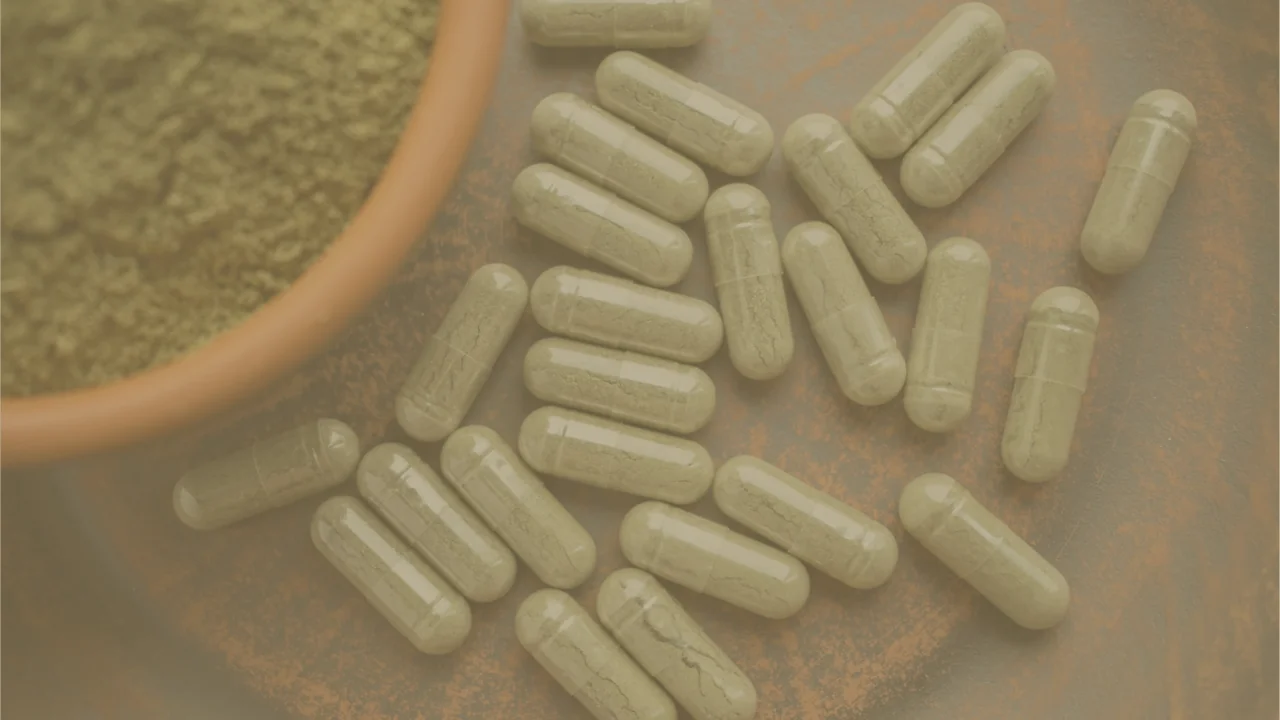
The FDA has not approved kratom for any medical use and has issued multiple warnings about its safety. Side effects range from nausea and constipation to severe liver damage, seizures, and respiratory depression—especially when taken in high doses or combined with other substances.
Recent studies, including a 2024 paper in Frontiers in Pharmacology, have highlighted the need for deeper understanding of it’s pharmacology and toxicology. The science is still catching up.
Because it’s not approved, kratom products are not tested for safety, quality, or proper dosage. Some may contain harmful substances or be stronger than expected. The effects can also be different depending on the person or if it’s mixed with other drugs. Just because something is natural doesn’t always mean it’s safe. If you’re thinking about using this substance, it’s smart to talk to a doctor and learn about the risks first.
What People Say Kratom Helps With
Pain Relief
Many users say kratom helps with chronic pain, arthritis, or injury-related discomfort—without the side effects of prescription opioids.
Increased Energy
In smaller doses, kratom can have a stimulating effect, making users feel more alert and focused.
Mood Support
Some people turn to kratom to ease symptoms of anxiety, depression, or general stress.
Opioid Withdrawal Relief
Perhaps the most talked-about benefit is kratom’s ability to reduce withdrawal symptoms for those trying to quit stronger opioids.
Kratom Use Case Study
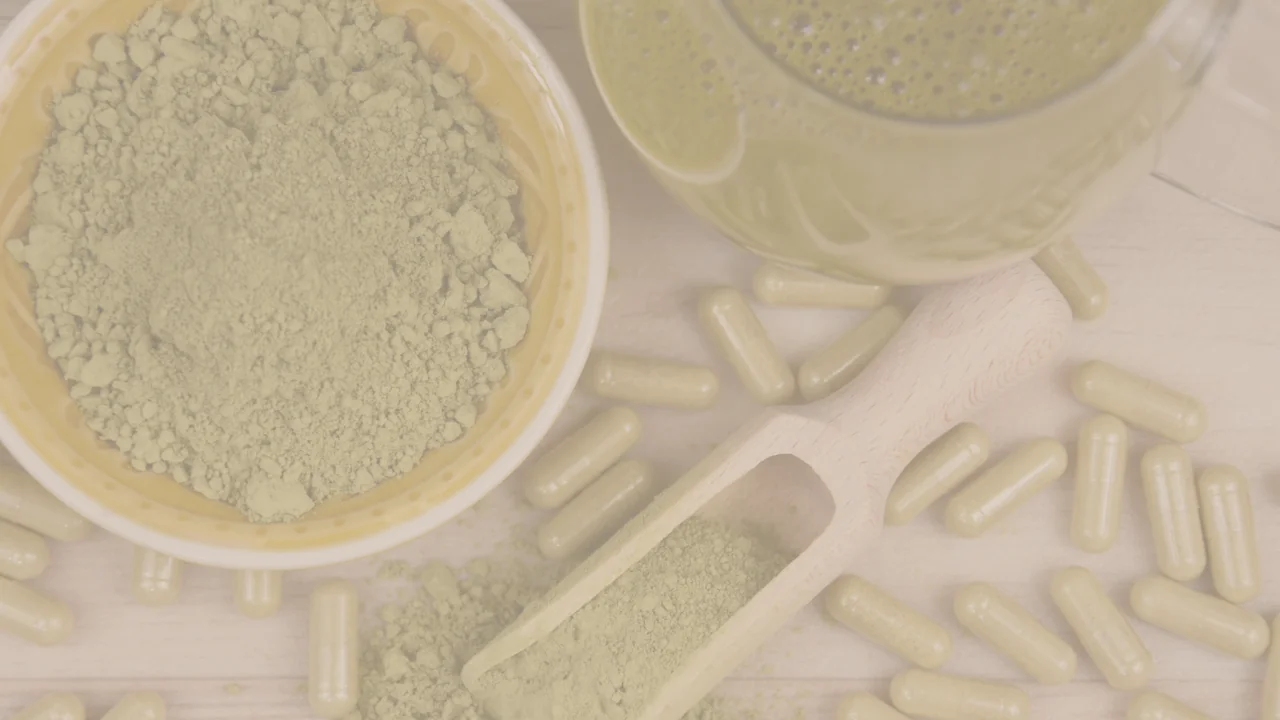
While a lot of people have shared positive stories about using this substance, there just isn’t enough solid research yet to say for sure that it works as a medical treatment. The FDA hasn’t approved it for any health problems, and no major medical groups recommend it right now.
Scientists know that it’s main ingredients—mitragynine and 7-hydroxymitragynine—affect the same parts of the brain as opioids. That’s probably why some people feel less pain or notice a change in their mood after using it. But because of that, it can also come with some of the same risks as opioids, like getting hooked, going through withdrawal, or dealing with side effects like feeling sick, dizzy, or even having liver problems.
Experts at the National Institute on Drug Abuse say we still need more research to really understand how it works—and to know if the good outweighs the bad.
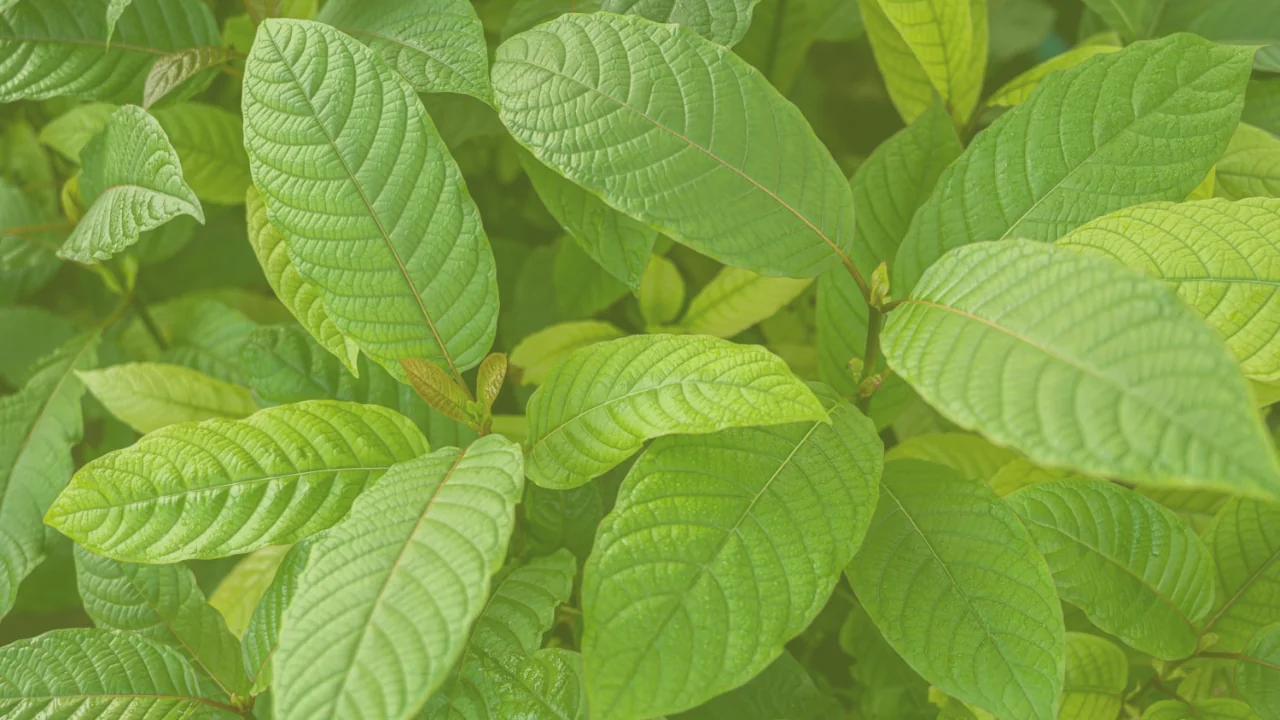
Is Kratom Addictive?
Yes—kratom can be addictive.
While it’s often marketed as a “natural” or “safe” alternative to opioids or stimulants, the reality is more complex. It affects the same brain receptors as opioids, especially in higher doses. This means people can build tolerance, experience withdrawal, and develop dependence—just like with other addictive substances.
DEA Kratom Fact Sheet
Many people start using this substance for pain relief, anxiety, or even to ease off other drugs—but over time, some find themselves needing more to feel the same effects, and struggling to stop without withdrawal symptoms like:
-
Irritability
-
Muscle aches
-
Insomnia
-
Nausea
-
Anxiety or depression
In short, it might seem harmless because it’s “herbal,” but that doesn’t mean it’s risk-free. Like anything that alters brain chemistry, it has the potential to become a problem—especially when used frequently or in large amounts.
Is There Treatment for Kratom Use?
Yes, there are effective treatments available for individuals struggling with kratom use. Treatment typically begins with a medically supervised detoxification process to manage withdrawal symptoms, followed by comprehensive behavioral therapies aimed at addressing the psychological aspects of addiction. Support groups and counseling are also integral components of a successful recovery plan.
Plugged In Recovery offers specialized kratom treatment plans designed to support individuals on their journey to recovery. Their programs focus on personalized care, combining medical supervision with therapeutic interventions to address both the physical and emotional challenges associated with kratom dependence.
If you or someone you know is seeking help for kratom use, reaching out to Plugged In Recovery can be a vital step toward achieving lasting recovery.
Is Kratom Therapy Medically Proven?
Kratom’s been getting a lot of attention lately — especially from people looking for natural ways to manage pain or get off opioids. It comes from a plant in Southeast Asia and has been used there for centuries. But in the U.S., there’s still a lot of debate around whether it’s actually safe or effective.
Some early research shows that it might interact with the same receptors in the brain as opioids, which could explain why some people say it helps with pain or withdrawal symptoms. But here’s the honest truth — we just don’t have enough solid, large-scale studies on humans yet to call it “medically proven.”
There have been a few small studies that show promise, but there are also real concerns about side effects, like dependence or withdrawal. The FDA hasn’t approved the substance for any medical use, which says a lot about where things stand from a clinical standpoint.
So while it might be helpful for some folks, it’s not officially considered a treatment — at least not yet. If you’re thinking about trying it, it’s a good idea to talk with a doctor and do your own research first.
Want to go deeper?
Here’s a solid research article that explains what we do know about kratom so far: