

How to Tell Someone They Drink Too Much
There’s no perfect script, but there is a wrong way to do this, and it’s the way most people try first: confrontation, an ultimatum, or bringing it up mid-argument.
None of that tends to work. What helps is timing, specific language, and, in some cases, a structured approach backed by real research.
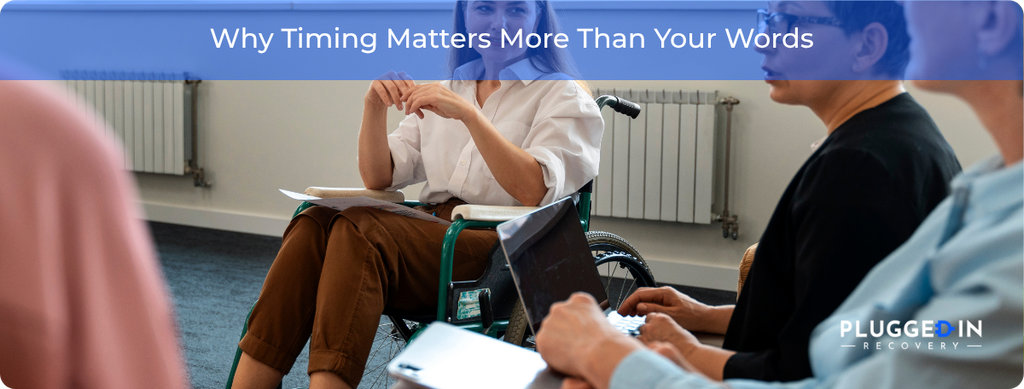
Timing Matters More Than the Words You Choose
The single most common mistake is bringing this up at the worst possible moment, mid-fight, at a family gathering, or while the person has been drinking.
When Not to Have This Conversation
- While the person is intoxicated
- During or right after an argument about something else
- In front of a group, even well-meaning family
- When you’re too angry to stay calm through their reaction
The NIAAA’s own guidance is direct on this: think through what you want to say beforehand, and consider practicing it with someone else first. Wait until the person is sober, stable, and actually capable of hearing you, not defending themselves.
What to Actually Say
Vague concern is easy to brush off. Specific observation is harder to argue with.
Describe What You’ve Seen, Not What You’ve Heard
Stick to what you personally observed, not what someone else told you or a general pattern you’ve assumed. “I noticed you seemed unsteady last night” lands differently than “everyone says you’ve been drinking too much.”
Use “I” Statements Instead of Accusations
“I’m concerned about your drinking” opens a conversation. “You have a drinking problem” tends to close one immediately. You don’t need to settle on the right label, addiction, alcohol use disorder, heavy drinking, before you can talk about specific behaviors and how they’ve affected you.
Bring Facts, Not Just Feelings
Some people respond better to information than emotion. Having a basic understanding of what alcohol use disorder actually looks like clinically can help the conversation feel less like an accusation and more like genuine concern grounded in something real.
The Approach With an Actual Track Record
If a direct conversation hasn’t worked, or you’re worried it won’t, there’s a specific method worth knowing about: CRAFT, Community Reinforcement and Family Training.
Why CRAFT Works Where Confrontation Doesn’t
CRAFT was built specifically for situations where a loved one hasn’t asked for help and may actively resist it. Rather than one confrontation, it works through everyday interactions: reinforcing sober moments together, stepping back from shielding the person from natural consequences, and approaching with curiosity instead of ultimatums.
Across clinical trials, CRAFT has engaged roughly two-thirds of treatment-refusing drinkers into actual care, substantially outperforming traditional confrontation-based approaches. That’s not a small margin; it’s the difference between a method that occasionally works and one built around real behavioral research.

What to Do If Withdrawal Is Already a Concern
If the person you’re worried about already shows signs of physical dependence, this conversation carries an added layer of urgency and caution.
Signs the Situation May Already Be Medical, Not Just Behavioral
- Shakiness, sweating, nausea, or anxiety when they haven’t had a drink recently
- A history of trying to quit and experiencing physical symptoms
- Drinking that happens daily or almost daily over an extended period
The NIAAA estimates alcohol withdrawal accounts for roughly 260,000 emergency department visits and 850 deaths annually in the U.S. If these signs are present, don’t encourage a sudden, unsupervised stop. Our article on is it safe to detox from alcohol at home covers exactly why medical involvement matters at this stage.
After the Conversation
One conversation is rarely the whole story, and that’s normal, not a failure.
What Usually Comes Next
- It may take several conversations before the person is ready to act
- If they return to drinking after any period of change, responding with anger tends to deepen the cycle rather than help
- Having specific next steps ready, a provider’s number, a program, matters more once someone says yes, since the window doesn’t always stay open
If the pattern you’re describing sounds like it’s moved past “too much” into something more serious, our article on signs you need alcohol rehab can help you figure out where things actually stand.
If You’re Ready to Take the Next Step Together
At our Scottsdale residence, we regularly talk with family members before the person they’re worried about ever calls, walking through exactly how to approach this conversation and what happens if they say yes.
If you’re not sure how to start, or you’ve tried and it didn’t go anywhere, a call can help. Call us (480) 841-9915