
Depression Treatment
We are here to support you through your journey of healing and renewal. Our luxury residential treatment center in Scottsdale, AZ, offers a compassionate and serene environment where you can process your emotions, find solace, and rediscover hope for the future. Contact our admissions team today to learn more.








Understanding Depression
What Is Depression Treatment?
Depression treatment is a specialized approach to addressing the emotional and psychological challenges of persistent sadness and mood disorders. It provides professional support, therapeutic interventions, and evidence-based strategies to help individuals manage their symptoms, develop healthy coping mechanisms, and find a path toward healing, stability, and renewed well-being.
Depression, also known as major depressive disorder, or MDD, is a serious mental health condition characterized by persistent feelings of sadness, hopelessness, and a loss of interest or pleasure in daily activities. It is more than just feeling down, it affects how a person thinks, feels, and functions, often interfering with work, relationships, and overall well-being. According to the Diagnostic and Statistical Manual of Mental Disorders, the DSM-5, depression is diagnosed when an individual experiences five or more defining symptoms for two weeks or longer.
Types of Depression
Depression can take many forms, each with unique symptoms and causes. Understanding the different types of depression can help individuals seek the appropriate treatment and support.
Common Types, Part One
• Major Depressive Disorder, or MDD – Also known as clinical depression, MDD is characterized by persistent sadness, loss of interest, fatigue, and other symptoms that last for at least two weeks or longer, significantly impacting daily life.
• Persistent Depressive Disorder, or PDD – Also called dysthymia, this is a chronic form of depression that lasts two years or more, with symptoms that may be less severe than MDD but still interfere with daily functioning.
• Bipolar Depression – This occurs in people with bipolar disorder and is marked by episodes of deep depression alternating with periods of mania or hypomania, meaning extreme highs or increased energy.
• Seasonal Affective Disorder, or SAD – A type of depression that occurs seasonally, often during fall and winter, due to reduced sunlight exposure, leading to low energy, sadness, and sleep disturbances.
Common Types, Part Two
• Postpartum Depression, or PPD – A severe form of depression that affects new mothers after childbirth, causing intense sadness, anxiety, exhaustion, and difficulty bonding with the baby.
• Psychotic Depression – A severe type of depression that includes psychotic symptoms, such as delusions, meaning false beliefs, or hallucinations, meaning seeing or hearing things that are not there, usually related to themes of guilt, worthlessness, or doom.
• Situational Depression – Also known as adjustment disorder, this type occurs after a stressful or traumatic life event, such as divorce, job loss, or the death of a loved one, and may last for weeks or months.
• Atypical Depression – A subtype of MDD where mood temporarily improves in response to positive events but is accompanied by increased appetite, excessive sleep, heavy limbs, and heightened sensitivity to rejection.
Each type of depression requires individualized treatment, including therapy, medication, lifestyle changes, and support systems, to help individuals regain stability and well-being.
By the Numbers
Statistics
Prevalence Among U.S. Adults
• Approximately 21.0 million adults in the United States experienced at least one major depressive episode in 2021, representing 8.3% of all U.S. adults.
Adolescent Impact
• An estimated 5.0 million adolescents aged 12 to 17 in the U.S. had at least one major depressive episode in 2021, accounting for 20.1% of this age group.
Global Perspective
• Depression is the leading cause of disability worldwide, affecting more than 300 million people globally.
Age and Gender Disparities
• The prevalence of major depressive episodes was higher among adult females, at 10.3%, compared to males, at 6.2%.
• Young adults aged 18 to 25 had the highest prevalence at 18.6%.
Treatment Rates
• In 2021, about 61.0% of U.S. adults with major depressive episodes received treatment.
• Among those with severe impairment, 74.8% received treatment.
What to Expect
What to Expect at Our Luxury Residential Treatment Center
Personalized Treatment Plans
Every individual's journey to recovery is unique. Our team of experts creates customized treatment plans tailored to your specific needs, incorporating medical detox, behavioral therapy, contingency management, or a 12-step program.
Holistic Therapies
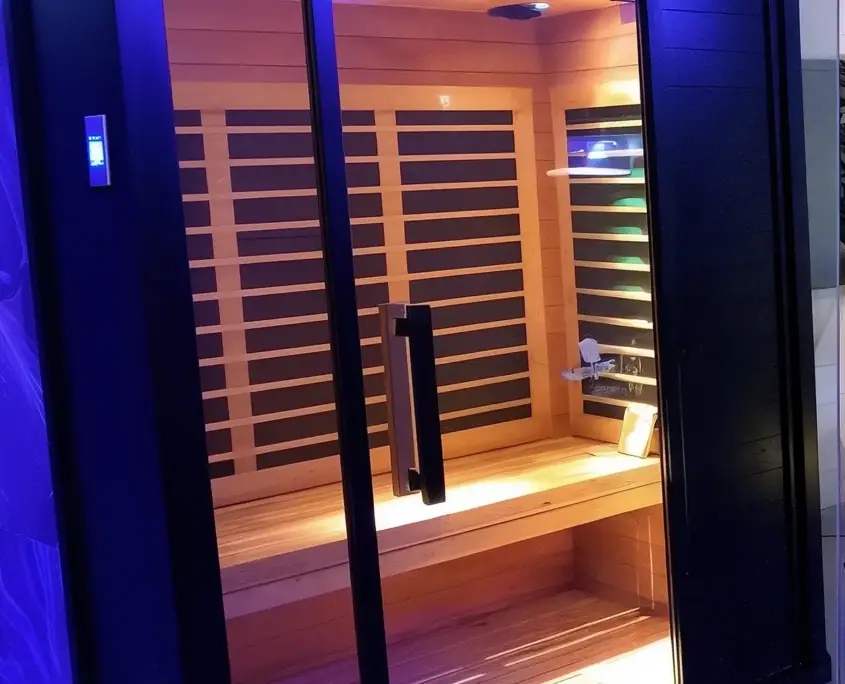
Alongside traditional treatments, we offer a range of holistic therapies designed to promote overall well-being. These include yoga, meditation, massage therapy, acupuncture, and nutritional counseling.
Luxury Amenities
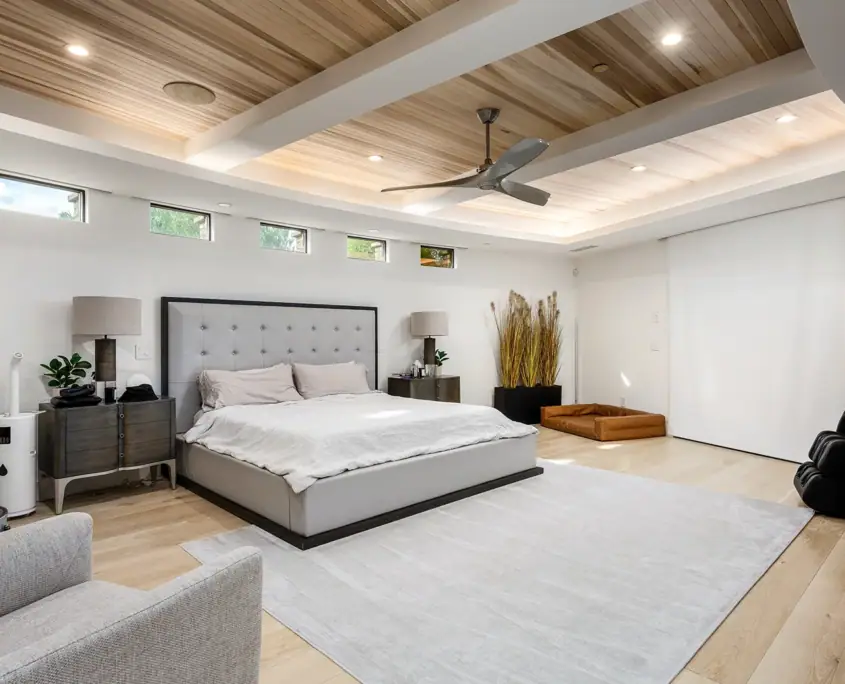
Enjoy the comfort and privacy of our high-end treatment facility in Scottsdale. Our amenities include private rooms, gourmet meals, a fitness center, and a pool, ensuring you can focus entirely on your recovery without distractions.
Why Plugged In Recovery
Why Choose Plugged In Recovery?
At Plugged In Recovery, we understand the profound impact depression can have on your life. Our luxury depression treatment center provides a safe and supportive space where you can overcome feelings of sadness, regain motivation, and rediscover hope. We combine evidence-based therapies with upscale amenities to offer the highest level of compassionate care, helping you navigate your journey toward healing, balance, and renewed well-being.
Admissions Process and Treatment Phases
Admissions Process
The first step in our admissions process is to give us a call. Then, we will help you verify your insurance to understand your coverage and benefits. An initial assessment will be conducted to help us create a personalized treatment plan tailored specifically for you.
We will then invite you to tour our Scottsdale, AZ, treatment center in person or virtually, pick a start date, and give you a packing list.
Treatment Phases
Upon arrival at our Scottsdale, AZ, treatment center, our admissions team will conduct a thorough intake process. Your treatment begins immediately after the intake process. Our expert team will provide comprehensive care, ensuring you receive the best support throughout your recovery.
After you complete your treatment program, we will transition to ongoing support and resources to help you maintain your recovery and prevent relapse.
ROAD TO RECOVERY STARTS HERE
How to Get Started
Our admissions process is simple, confidential, and compassionate.
We’ll guide you every step of the way.

Initial call with client and/or loved one.

Insurance verification. We accept most insurance.

Pre-assessment for clinical approval.

Scheduling and intake. Same-day intake available.
Contact Us
Contact for Treatment Admissions
If you have any questions or need assistance with the mental health treatment admissions process, please do not hesitate to contact us. Our admissions team is here to help you every step of the way. Reach out to us today to begin your journey to life-long recovery.
Your journey to a healthier, more balanced life starts with a simple step: contacting Plugged In Recovery.

Don't just take it from us


Ready to start your journey?
Talk to us
*Please note that communications over the Internet are not secure. Although it is unlikely, the information you include in an email could be intercepted and read by other parties besides the person to whom it is intended. To protect your privacy, please do not include personal identifying information such as your birth date or medical information in any communications you send.
Contact Us
Follow Our Socials