At Plugged In Recovery, we regularly talk with people who want help but cannot step away from work for weeks at a time.
The good news is that outpatient addiction treatment is built for real life. You can keep your job while building structure, accountability, and coping skills, as long as the level of care matches your stability and risk. This guide explains how clinicians make that call, what “accountability” actually means day to day, and how outpatient plans for high-risk weeks that can derail early sobriety.
What outpatient addiction treatment looks like for working professionals
Brianna Perone, Director of Outpatient Services, describes outpatient simply: “Outpatient is a place of treatment to be able to work on their recovery while also in their day-to-day of their normal lives.” James Currier, Clinical Compliance Coordinator, adds: “Outpatient is the integration of treatment into outside life… managing external stressors that are still going on, but being in treatment for the support.”
If you are considering outpatient rehab vs inpatient, the difference is not “serious” vs “not serious.” It is environment and stability.
Outpatient means you live at home or in sober living and attend scheduled programming.
You practice recovery skills while work, stress, and triggers are still present.
The right intensity depends on whether you can stay stable between sessions.
If relapse risk is highor mental health is unstable, inpatient may be safer even if it disrupts work temporarily.
Balancing independence with structure in early recovery
Working full-time adds pressure. Early recovery adds more. Outpatient works when independence is supported by structure until routines become habits.
Brianna is direct about what most clients are missing early on: “The biggest thing that we do in early recovery is also instill the structure and routine because that’s what they’re usually lacking.” She explains how the team creates a baseline every day: “Every morning the daily check-in group. We figure out where they’re at mentally, emotionally, physically, spiritually… so we have a baseline of how to work with them through the day and through the week.”
James explains why structure matters clinically: “The brain craves and operates off of predictability,” and “Structure and routine signal safety to the brain.”
Weekly goals help clients organize recovery around work demands.
Predictable routinesreduce impulsive decisions after stressful shifts.
Daily check-ins flag relapse risk early, before a crisis.
Structuremakes recovery a schedule, not a mood.
This is also why outpatient is not only group therapy. James explains the difference between learning and applying: “Groups are when things are taught. Individual therapy is when they take what is taught and learn how to actually use it.”
For people whose thinking patterns spiral under stress, CBT therapy is a helpful resource for how skill-based work supports follow-through.
What accountability looks like in outpatient day to day
In outpatient addiction treatment, “accountability” is not a slogan. It is practical behavior trackingthat prevents drift, avoidance, and silent relapse.
Brianna describes it plainly: “It’s showing up on time.” She adds that it also means “communicating when outside appointments or family matters happen.” For working clients, this matters because overtime and schedule changes can quickly turn into disappearing.
She also names a concrete standard: “We do drug testing… randomly throughout the week. That is a requirement.” And accountability is not only one clinician watching. Brianna explains, “We do weekly check-ins with numerous members of the treatment team,” plus tracking real recovery actions outside treatment like “sponsors, home groups, service commitments.”
On-time attendance and consistent participation.
Honestcommunication when work conflicts come up.
Random drug testing that closes loopholes.
Weekly check-ins across the clinical team.
Tracking real-world recovery actions, not just insight.
This structure is a big reason people looking for luxury outpatient addiction treatment in Chandler can still make progress while employed. It is flexible scheduling with non-negotiable follow-through.
Handling high-risk weeks: early sobriety, anniversaries, grief, job stress
Work stress, grief, anniversaries, and early sobriety symptoms are predictable relapse windows. Outpatient plans for them directly instead of hoping the client “stays strong.”
Brianna explains the first priority is getting clients to be honest:
“Not letting the client just feel like those milestones or anniversaries… mean nothing to them and that they’re okay.” When clients open up, the team builds practical plans instead of platitudes.
One of the most useful tools she names is planning an exit:
“Our therapists are really big on creating exit strategies,” including how to leave high-risk situations “without making a big scene.” She also notes the team practices these scenarios: “They’ll do role-playing… means of interventions,” because pretending a trigger week is not happening “is just a band-aid to the problem.”
James adds the key outpatient principle: skills have to be built before the high-risk week hits. “Hopefully we’ve already had the opportunity to help them develop coping skills and learn how, when, and where they need to be implemented.”
Identifyupcoming high-risk weeks in advance, not after the slip.
Increasecommunication so the team can tighten support quickly.
Build “exit strategies” for events where substances will be present.
Practice coping skills ahead of time so they show up under stress.
Treat sleep, mood swings, and overwhelm as relapse signals, not personality.
This is especially relevant for people searching outpatient alcohol treatment Phoenix, where job stress plus poor sleep can snowball quickly. It is also common for those seeking outpatient drug rehab Arizona options, where environmental triggers and access can be constant.
If anxiety is part of what drives cravings during stressful work weeks, Plugged In’s blog on anxiety and addiction diagnosis helps clarify how symptoms and relapse risk overlap. If the pattern is “I use to calm down,” the post on when self-medicating anxiety becomes the real problem connects the dots in a practical way.
Choosing the right intensity when you cannot step away from work
Outpatient can work with a full-time job, but only if the level of care matches the reality of risk. Clinicians usually recommend more intensity when stability is too low for real-world exposure.
Brianna notes that schedules can be flexible, but clinical necessity comes first. If someone is drinking daily, destabilized, or repeatedly relapsing, outpatient may not be enough even if it is more convenient.
Outpatient is often a fit when housing is stable and the client can stay sober between sessions.
Inpatient may be safer when relapse is frequent or mental health is unstable.
Work can be addressed with documentation and planning when higher care is needed.
The goal is not protecting the job at the cost of recovery, it is protecting recovery so the job becomes sustainable.
For a neutral overview of how levels of care are matched to needs, SAMHSA’s explanation of treatment options is a solid reference. Structure and strong care enable outpatient treatment success.
Outpatient treatment works by replacing guesswork with structure.
Yes, outpatient addiction treatment can work with a full-time job, but it works because structure replaces guesswork. Outpatient is “the integration of treatment into outside life,” as James says, and it is designed to build routines that hold up during real stress. With daily check-ins, measurable accountability, and planning for high-risk weeks through tools like exit strategies and role-playing, outpatient can support working professionals across Phoenix and Chandler. The deciding factor is not how busy you are. It is whether the level of care is strong enough to keep you stable when life gets hard.
Plugged In Recovery Can Help You Feel Like You Again
Whether you’re just starting to question your relationship with substances or you’ve been in the cycle for years, Plugged In Recovery is here to help you break free.
Choosing between outpatient and inpatient is rarely about what sounds easier. That is why the decision process behind outpatient rehab vs inpatient rehab tends to look the same across high-quality programs, such as here at Plugged In.
Brianna Perone, Director of Outpatient Services, explains outpatient in plain language: “Outpatient is a place of treatment to be able to work on their recovery while also in the day-to-day of their normal lives.”
James Currier, Clinical Compliance Coordinator, adds: “Outpatient is the integration of treatment into outside life.”
Who is a strong fit for outpatient as a starting level of care, not just step-down?
Outpatient can be a starting level of care, not only a step-down, when the person has enough stability to use the program the way it is designed. This shows up often in searches like outpatient rehab Phoenix because many people want structured care without stepping away from work or family.
Brianna names the baseline requirements clearly: someone who “has stable housing and some basic daily structure.” She also draws a hard line: “You can’t come into outpatient if you don’t have safe, stable housing.”
James adds the clinical filter that protects outpatient from becoming a revolving door: outpatient fits people who have “demonstrated applicable coping skills in the past” and have “maintained sobriety for a length of time prior to coming into treatment.”
Safe, stable housing that does not actively undermine recovery.
Basic structure such as a job, school, or consistent daily responsibilities.
Ability to show up consistently and communicate, even when motivation drops.
Medical stability and enough psychiatric stability for outpatient to be safe.
Willingness to build sober supports and accept accountability.
If anxiety is part of the pattern that drives relapse, the symptoms and cravings can blend together in early recovery.
What are the clearest signs someone needs more than weekly therapy?
A lot of people ask for weekly therapy because it feels manageable. Clinicians look at whether weekly therapy matches the risk level. If the person is repeatedly relapsing, destabilizing, or unable to follow through, weekly therapy can become a loophole instead of a solution. This is where outpatient rehab vs inpatient rehab decisions often begin.
Brianna points to relapse patterns: “Habitual relapses… if they aren’t able to stay, have any length of sobriety on their own, then they definitely need a higher level of care.”
James frames the mindset behind choosing too little structure: “They haven’t been able to demonstrate continuous sobriety before… What it is, it’s negotiating with recovery.”
Relapse keeps happening because there is not enough contact, structure, or accountability.
The person cannot maintain any meaningful sobriety outside a controlled setting.
Outside stressors are so loud that weekly therapy cannot stabilize the week.
Mental health symptoms are driving cravings and shutdown, not just “low motivation.”
Follow-through is inconsistent, so insight never becomes habit.
For many families, it also helps to understand why self-soothing becomes a habit loop. Sometimes relief-seeking can become relapse permission.
What are the red flags that outpatient is not enough right now?
Outpatient can be powerful, but it is not designed to function as crisis stabilization. This is where the practical side of outpatient rehab vs inpatient rehab matters most: can the person stay safe and stable between sessions?
Brianna calls out follow-through problems inside structured programming: if someone “doesn’t come into programming as scheduled, without communication,” that is a warning sign. She also notes that when mental health needs rise beyond what outpatient can hold, “sometimes stabilization is needed.”
James points back to the stability issue; outpatient is real-world exposure with support. If the person has never been able to hold sobriety outside a controlled environment, outpatient may not be enough yet.
Housing is unsafe, unstable, or exposes the person to active use.
Psychiatric instability, frequent crisis behavior, or need for stabilization.
Continued relapse with no sustained sobriety history outside a controlled setting.
Repeated no-shows, avoidance, or refusal to follow structure.
Ongoing chaos that makes skill practice impossible between sessions.
For people specifically looking at outpatient alcohol treatment Phoenix, these red flags can show up as sleep collapse, escalating emotional reactivity, and impulsive decisions that spiral quickly. For others searching outpatient drug rehab Arizona, the red flags may show up as repeated exposure to high-risk environments, unstable housing, or inability to follow through on scheduled care.
SAMHSA’s guidance on treatment options supports the idea that the right intensity depends on clinical need, not preference.
What does accountability look like in outpatient in a practical sense?
People hear “accountability” and think it means someone will “stay motivated.” Clinicians mean something more concrete: observable behaviors that keep recovery from drifting. In an outpatient setting, accountability is the structure that makes progress measurable.
Brianna describes day-to-day accountability simply: “It’s showing up on time.” She also notes that accountability includes “communicating when outside appointments or family matters happen.” Then she names the clinical standard: “We do drug testing… randomly throughout the week. That is a requirement.”
She adds that it is not just one person holding the line:
“We do weekly check-ins with numerous members of the treatment team.” Accountability also extends beyond the building into real recovery activity, including “sponsors, home groups, service commitments.”
Attendance on time and consistent participationin the schedule.
Clear communication when life conflicts come up, not disappearing.
Random UA testing and follow-ups that prevent quiet drifting.
Weekly touchpoints across clinical and case management support.
Trackingreal-world recovery actions that build habit and stability.
This is a key reason luxury outpatient addiction treatment in Chandler can be a strong fit for clients who need flexibility without losing structure. Outpatient works when structure is strong enough to hold someone steady while they continue living in the real world.
Breaking the Cycle at Plugged In Recovery
At Plugged In, treatment isn’t just about stopping the behavior; it’s about healing what made the behavior necessary in the first place.
“Our approach is rooted in compassion, not blame,” Laura emphasizes. “We understand why people self-medicate. And we help them build something stronger in its place.”
ACT therapy to build emotional flexibility and resilience
Psychiatric care for medication support when needed
Holistic therapies like yoga, red light sauna, and breathwork
Safe, private spaces to decompress and process without pressure
This wraparound approach is key for clients recovering from both addiction and anxiety.
“It’s about building a nervous system that doesn’t need substances to feel safe,” Laura says.
How clinicians choose the right intensity in Phoenix, Scottsdale, and across Arizona
Clinicians choose intensity based on what will hold in the real world. Outpatient is not “less serious,” it is a different environment. Inpatient is not “more committed,” it is often safer when stability is low.
Ifstability is present and the client can follow structure, outpatient can be a strong start.
Ifstability is not present, inpatient or residential may be safer until the foundation is built.
Ifhousing is a barrier, supportive housing options can make outpatient more viable.
Ifmental health symptoms are driving relapse risk, stabilization comes first.
Plugged In Recovery Can Help You Feel Like You Again
Whether you’re just starting to question your relationship with substances or you’ve been in the cycle for years, Plugged In Recovery is here to help you break free.
Many people still assume “rehab” only means residential. In reality, different levels of care exist because different people need different levels of structure and safety. This article explains luxury outpatient rehab vs inpatient in clear terms, using direct quotes from Plugged In Recovery’soutpatient team of Brianna Perone and James Currier, plus practical guidance on fit, red flags, and family support.
Outpatient rehab vs inpatient: the simplest explanation
Brianna Perone, Director of Outpatient Services, describes outpatient this way:
“Outpatient is a place of treatment to be able to work on their recovery while also in their day-to-day of their normal lives.”
James Currier, Clinical Compliance Coordinator, adds:
“Outpatient is the integration of treatment into outside life, right? It’s managing external stressors that are still going on, but being in treatment for the support.”
Inpatient or residential is often best when safety, stability, or relapse risk is too high to manage outside a structured setting.
Outpatient rehab is designed for people who can live off-site and still show up consistently for treatment.
The goal of outpatient is real-world practice, not isolation from life.
If you are weighing outpatient rehab vs inpatient, the real question is whether you can stay stable between sessions.
How to explain outpatient to someone who thinks rehab only means residential
People looking at outpatient rehab in Phoenix often worry that outpatient means “not serious.” The outpatient team describes the opposite.
Brianna explains outpatient is: “learning how to create a routine that’s focused on their recovery while maintaining their responsibilities and becoming an active member of society, work, kids, etc.”
Outpatient supports recovery while you keep living your life.
Skills are taught in treatment and practiced immediately in your real environment.
Accountability is built in, not optional. Brianna calls it “a place of high accountability with drug testing, with daily check-ins with the treatment team.”
For many people seeking outpatient alcohol treatment in Phoenix, structure plus real-world practice is what makes progress stick.
If you want an example of what “skills” can look like in outpatient, Plugged In’s overview of CBT therapy explains how treatment targets thought patterns that create relapse permission.
Who is a strong fit for outpatient as a starting level of care?
Outpatient is not only a step-down. For some people, outpatient drug rehab Arizona options can be an appropriate starting level when stability already exists. That is often why people pursue outpatient addiction treatment Chandlerso they can keep work or family responsibilities while getting structured support.
Brianna gives a clear baseline: “Has stable housing and some basic daily structure.” She also states the non-negotiable: “You can’t come into outpatient if you don’t have safe, stable housing.” James adds that outpatient is for people “who have demonstrated applicable coping skills in the past and who have maintained sobriety for a length of time prior to coming into treatment.”
Safe, stable housing is required.
You need enough stability to attend consistently and communicate.
You must be medically okay and “somewhat psychiatrically stable” for outpatient, as Brianna puts it.
Outpatient works best when you can practice coping skills between sessions.
A strong starting fitusually includes willingness to be accountable even when motivation drops.
Red flags that outpatient is not enough right now
Choosing outpatient because it feels easier can backfire if the level of care does not match the reality of relapse risk.
Brianna names a major red flag: “Habitual relapses.” She explains, “If they aren’t able to stay, have any length of sobriety on their own, then they definitely need a higher level of care.” If the pattern is self-soothing with substances, when self-medicating anxiety becomes the real problem connects that cycle in practical terms.
She also points to follow-through: “If they don’t come into programming as scheduled, without communication.” James frames the bigger issue: “They haven’t been able to demonstrate continuous sobriety before… What it is, it’s negotiating with recovery.”
Repeated relapses with little or no sustained sobriety.
Unstable or unsafe housing.
Psychiatric instability, crisis behavior, or need for stabilization.
Attendance problems, avoidance, or inability to follow structure.
Life chaos so intense that skills cannot be practiced between sessions.
If families want a neutral explanation of treatment levels and what they can include, SAMHSA’s overview of treatment options can help clarify why level of care is a clinical decision.
Balancing independence with structure in early recovery
Outpatient is not “less structure.” It is structure designed to help clients build their own structure outside the program. Brianna explains, “The biggest thing that we do in early recovery is also instill the structure and routine because that’s what they’re usually lacking.” She describes their daily baseline: “Every morning the daily check-in group. We figure out where they’re at mentally, emotionally, physically, spiritually.”
James connects this to how the brain stabilizes: “The brain craves and operates off of predictability.” Then he sums it up: “Structure and routine signal safety to the brain.”
Daily check-inshelp track stability before relapse happens.
Accountability supports follow-through when motivation fades.
Treatment components work together: James says, “Groups are when things are taught. Individual therapy is when they take what is taught and learn how to actually use it.”
Case management reduces outside stress so treatment can land: “The case managers play a vital role in helping relieve that stressor.”
For clients whose cravings are closely tied to anxiety, Plugged In’s post on anxiety and addiction diagnosis explains how symptoms can drive relapse risk.
What families should understand about outpatient success
Families often want certainty and fast change. Outpatient can be effective, but it is not instant.
Brianna says, “Clients aren’t going to be perfect just because they’re in treatment.” She adds, “It’s not a guarantee that their loved one is never going to struggle with drugs or alcohol or even mental health again.”
She also emphasizes boundaries as a major driver of success: “Hold firm to their boundaries because the enabling that families do is what causes us to stay in that pattern for so much longer.” Brianna is blunt about early recovery dynamics: “We are very manipulative. So we are very good at telling you what you want to hear to give us everything back.”
Progress is usually stability and consistency, not perfection.
Boundaries protect recovery, especially early on.
Avoid rewarding early sobriety with high-risk privileges too quickly.
Support the treatment plan instead of reacting to promises or bargaining.
Family involvement can help when appropriate and authorized.
For a broader educational view of what treatment and recovery can involve, NIDA’s overview of treatment and recovery is useful for families who want clarity without hype.
Choosing the right intensity in Phoenix, Chandler, and across Arizona
If you are deciding between luxury outpatient rehab in Phoenix and residential options, intensity should match stability. The same logic applies whether someone is seeking outpatient addiction treatment Chandler, support for outpatient alcohol treatment in Phoenix, or a structured plan through outpatient drug rehab in Arizona programs.
Outpatient is often a better fit when you can stay safe, sober, and engaged between sessions.
A higher level of care may be safer when relapse is frequent, housing is unstable, or mental health symptoms are destabilizing.
If opioid use is part of the picture, the FDA’s overview of medications for opioid use disorder can help families understand evidence-based options.
Plugged In Recovery Can Help You Feel Like You Again
Whether you’re just starting to question your relationship with substances or you’ve been in the cycle for years, Plugged In Recovery is here to help you break free.
When people start rebuilding their health in recovery, questions come up fast: Why do cravings feel so physical? Why does stress hit harder in early sobriety? Why does sleep feel impossible? That is where the conversation about Peptides for addiction recovery often begins.
At Plugged In, we openly discuss peptides because they act as signaling molecules in the body, including pathways tied to appetite, stress response, mood, and reward. Researchers are exploring with promising results whether certain peptide-based medications could eventually support addiction treatment by reducing cravings or helping regulate the systems that drive relapse.
What are peptides?
Peptides are short chains of amino acids. Many hormones and messenger molecules in the body are peptides or peptide-like, which is why peptide science shows up in so many areas of medicine. In drug development, “therapeutic peptides” refers to peptide-based medications designed to target specific receptors and biological pathways.
Peptides tend to be discussed because they can be:
Highly targeted in how they bind to receptors
Closely connected to systems that influence stress, appetite, and inflammation
Used in real, FDA-regulated medications in other areas of healthcare
That said, “peptide therapy” can mean very different things depending on where you hear it. In addiction treatment, the only conversation that matters is clinician-led, evidence-based care.
Why peptides are being studied for addiction recovery
Addiction is not only about willpower. Substance use disorders are tied to brain circuits involving reward, learning, stress, and decision-making. That is why relapse risk often spikes during stress, poor sleep, isolation, and emotional overwhelm.
Researchers are interested in Peptides for addiction recovery because peptide pathways overlap with:
Craving and reward signaling
Stress response and emotional regulation
Appetite and impulsivity
Sleep and recovery physiology
This does not mean peptides are a cure. It means there are biological reasons researchers are testing peptide-based medications in addiction-related outcomes.
Where the evidence is most active right now
GLP-1 medications and alcohol use outcomes
GLP-1 is a peptide hormone involved in appetite and metabolism. GLP-1 receptor agonist medications have been studied widely for diabetes and weight management. More recently, researchers have started evaluating whether these medications can reduce alcohol cravings and drinking outcomes.
A randomized clinical trial published in JAMA Psychiatryevaluated once-weekly semaglutide in adults with alcohol use disorder and reported reductions in alcohol craving and some drinking outcomes, supporting the need for larger trials.
What this means in plain language: This is one of the most closely watched areas because the medications already exist for other indications, and early signals suggest potential benefit for some alcohol-related outcomes. It is not a universal solution, and it is not yet a standard addiction treatment.
Evidence-based medications still lead the standard of care
If you are looking at Peptides for addiction recovery, it is essential to keep the foundation clear. For many people, the biggest improvements come from evidence-based addiction treatment, including FDA-approved medications when appropriate.
SAMHSA outlines FDA-approved medication options for alcohol and opioid use disorders as evidence-based treatment tools that help reduce cravings and support recovery.
The FDA notes there are three medications approved for opioid use disorder treatment: buprenorphine, methadone, and naltrexone.
What “promising” actually means in clinical research
It means early studies show a signal worth testing in larger trials
It does not mean the approach works for everyone
It does not mean it replaces therapy, structure, or relapse prevention
It does not mean you should buy peptides online or self-administer without oversight
The biggest risks: misinformation and gray-market products
A major issue with peptide content online is that it mixes legitimate medical research with marketing and products that are not appropriate, not regulated, or not safely prescribed.
Red flags to avoid
Claims that peptides “cure addiction”
Protocols that skip medical screening, labs, or monitoring
“Research peptide” products sold for self-use
Anyone discouraging evidence-based treatment in favor of peptides
If peptides ever play a meaningful role in addiction care, it will be through regulated medications, clear protocols, and responsible prescribing.
How peptides might fit inside a real recovery plan
The safest way to think about Peptides for addiction recovery is as a possible supportive tool for specific symptoms or relapse drivers, if a qualified clinician believes it is appropriate.
A clinical team might evaluate:
What substance use disorder is being treated (alcohol, opioid, stimulant, etc.)
What symptoms are most destabilizing (cravings, anxiety, sleep, appetite, mood)
What co-occurring conditions exist (depression, trauma, anxiety disorders)
What evidence-based therapies and medications are already in place
Medical history, interactions, and monitoring needs
Peptides should never be treated as a shortcut. Recovery gets stronger when the plan addresses both the addiction and the underlying drivers that keep it going.
What Plugged In focuses on instead of “quick fixes”
At Plugged In Recovery, the most reliable way to reduce relapse risk is to treat the whole picture: cravings, triggers, mental health, trauma, nervous system regulation, and daily structure. That is why evidence-based therapy matters.
If anxiety, stress, or emotional overwhelm is part of your substance use story, you may also relate to how dual diagnosis shows up in real treatment settings:
Sleep issues keep pushing you back toward substances
You keep cycling through short periods of sobriety and relapse
You feel stuck and unsure what is actually driving the pattern
Plugged In Recovery Can Help You Feel Like You Again
Whether you’re just starting to question your relationship with substances or you’ve been in the cycle for years, Plugged In Recovery is here to help you break free.
“People come in thinking their issue is alcohol or drugs. But underneath, it’s often untreated anxiety that’s been there for years,” says Laura Zsako, Primary Residential Therapist at Plugged In’s luxury rehab in Scottsdale.
In this article, we explore how anxiety drives self-medication, how that relationship turns into a cycle, and why identifying the root cause is essential for lasting recovery.
What Is Self-Medicating Anxiety?
Self-medicating means using substances, alcohol, drugs, or even excessive caffeine or food, to manage emotional or physical discomfort instead of seeking professional help.
“When someone is anxious all the time, they often start looking for fast ways to shut that feeling down,” Laura explains. “And unfortunately, substances work, until they don’t.”
Short-term relief can quickly snowball into long-term harm. What starts as a coping strategy can become dependence, especially when anxiety is severe or untreated.
Common self-medicating patterns include:
Drinking to sleep or slow racing thoughts
Using stimulants to mask fatigue and low motivation
Turning to THC or benzos to suppress panic symptoms
Isolating with screens or food to avoid overstimulation
Laura notes that in high-functioning clients, especially professionals in Phoenix’s fast-paced environment, these behaviors often go unnoticed.
“They’re still working. Still parenting. But they’re in survival mode.”
Red Flags That Anxiety Is Driving Substance Use
One of the most common misconceptions Laura hears is that substance use is the primary issue, when it’s often a symptom of more profound distress.
“I can’t tell you how many times someone comes in and says, ‘I don’t know why I can’t stop drinking.’ But when we slow down and look underneath, it’s panic, shame, or unresolved trauma that they’re really trying to escape.”
Signs that anxiety may be fueling substance use include:
Needing substances to “function” in social or work settings
Feeling emotionally flat or disconnected without using
Avoiding situations without a substance “buffer”
Escalating use during periods of stress or transition
Having panic symptoms return quickly during early sobriety.
Laura adds: “We see this all the time with alcohol. People aren’t trying to party, they’re trying to regulate their nervous system.”
How Untreated Anxiety Sabotages Recovery
Even after someone stops using substances, untreated anxiety can make it incredibly difficult to stay sober.
“It’s not enough to just take away the alcohol or the pills,” Laura says. “You have to replace them with real coping skills, or the anxiety comes roaring back.”
Laura highlights that when anxiety isn’t treated, clients may:
Struggle with motivation or trust during therapy
Experience panic or racing thoughts during group work
Feel emotionally unsafe in their own body
Risk relapse simply to escape the discomfort of early recovery
“It’s not that these clients don’t want to get better,” she explains. “It’s that their anxiety feels bigger than their willpower.”
What Anxiety Really Looks Like Underneath the Surface
Self-medicating anxiety isn’t always obvious. According to Laura, some of the most frequently missed symptoms in treatment are:
Digestive issues or unexplained pain
Difficulty concentrating or completing tasks
Social withdrawal disguised as “introversion”
Over-controlling behaviors or perfectionism
Chronic fatigue despite sleeping well
“Often people don’t name it as anxiety, they’ll say they’re ‘burned out’ or just tired,” she says. “But when you dig a little, you see the anxious thinking patterns underneath.”
Life events like divorce, grief, financial stress, or burnout often trigger a spike in anxiety that leads people to use.
And in Laura’s words: “They don’t even realize it’s happening until the substance stops working, and by then, the cycle’s already set.”
Breaking the Cycle at Plugged In Recovery
At Plugged In, treatment isn’t just about stopping the behavior; it’s about healing what made the behavior necessary in the first place.
“Our approach is rooted in compassion, not blame,” Laura emphasizes. “We understand why people self-medicate. And we help them build something stronger in its place.”
ACT therapy to build emotional flexibility and resilience
Psychiatric care for medication support when needed
Holistic therapies like yoga, red light sauna, and breathwork
Safe, private spaces to decompress and process without pressure
This wraparound approach is key for clients recovering from both addiction and anxiety.
“It’s about building a nervous system that doesn’t need substances to feel safe,” Laura says.
When It’s Time to Get Help
You might need support for self-medicating anxiety if:
You’re using alcohol, cannabis, or other substances to calm your mind
You feel worse when you try to stop or cut back
Anxiety symptoms spike in early sobriety
Your relationships or work life are being affected
You don’t recognize yourself anymore
If any of these feel familiar, it’s not a sign of weakness; it’s a sign your system is asking for help.
Plugged In Recovery Can Help You Feel Like You Again
Whether you’re just starting to question your relationship with substances or you’ve been in the cycle for years, Plugged In Recovery is here to help you break free.
When someone enters rehab for substance use, it’s easy to focus only on the addiction. But beneath the surface, another issue is often driving the cycle: anxiety.
According to Laura Zsako, Primary Residential Therapist at Plugged In Recovery in Scottsdale, Arizona, dual diagnosis is more common than most people realize, especially when it comes to anxiety disorders.
“By the time most clients arrive in treatment, anxiety has been part of the story for a long time. It just didn’t get diagnosed because the addiction took the spotlight,” says Laura.
Here’s what anxiety and dual diagnosis really look like in a luxury rehab setting, and why treating both is essential for long-term recovery.
What Is a Dual Diagnosis?
In clinical terms, dual diagnosis means someone has both a substance use disorder and a mental health condition. At Plugged In Recovery, anxiety is one of the most common.
Laura defines it simply:
“Dual diagnosis is when someone is using drugs or alcohol and struggling with things like anxiety, depression, or trauma. The conditions feed each other, and you can’t treat one without addressing the other.”
Why it matters:
Untreated anxiety can fuel relapse
Substance use can mask or worsen mental health symptoms
One condition often triggers or exacerbates the other
How Anxiety Shows Up with Addiction
Sometimes the anxiety comes first. Sometimes it shows up because of substance use. Either way, the connection runs deep.
“When someone says they’re drinking to ‘take the edge off,’ we have to ask, what edge? That’s usually where the anxiety lives,” says Laura.
Emotional avoidance masked by marijuana or sedatives
Overthinking or intrusive thoughts that lead to compulsive use
Guilt and shame after substance use fuel more anxiety
“People come in thinking their issue is drinking. But when we peel back the layers, they’ve actually been in survival mode for years,” Laura explains.
The Red Flags That Anxiety Is Driving the Substance Use
Laura and her team at Plugged In frequently see anxiety hiding underneath substance use. Many clients don’t realize they’ve been self-medicating for years.
Red flags that point to anxiety as the root:
Needing substances to fall asleep, socialize, or leave the house
History of perfectionism, overthinking, or avoidance
GI issues, tight chest, or shakiness when not using
Panic attacks during detox or early sobriety
Emotional numbness or “shutting down” under stress
“If someone says, ‘I just can’t shut my brain off’, that’s almost always a clue,” Laura says.
How Anxiety Undermines Treatment Motivation
Anxiety isn’t just uncomfortable; it can block someone’s ability to engage in treatment fully.
“We often see clients who want help but are too anxious to participate,” says Laura. “They shut down in group therapy, they isolate, or they skip meals and avoid connection.”
Ways anxiety disrupts recovery:
Fear of vulnerability in group therapy
Hyper-focus on failure, making progress feel impossible
Avoidance of difficult emotions during therapy
Trouble sleeping or eating, which impacts energy and mood
Panic around change, making treatment feel threatening instead of supportive
That’s why Plugged In’s trauma-informed, luxury environment is so essential. When clients feel emotionally safe, they’re more likely to open up and heal.
Panic Attacks vs. Other Anxiety Conditions
One of the first steps in treating dual diagnosis is understanding what kind of anxiety a client is really experiencing.
When someone reports panic attacks, Laura digs deeper:
“I ask, what does it feel like in your body? What happens right before? Is there a trigger? Is it tied to a memory or a thought? That helps us understand if it’s panic disorder, trauma, GAD, or something else.”
What clinicians assess:
Is this a true panic disorder or trauma flashback?
Is the client avoiding situations out of fear?
Is the anxiety constant (GAD) or episodic?
Are symptoms tied to specific triggers or memories?
At Plugged In, this level of clinical precision helps guide whether the best treatment includes CBT, DBT, EMDR, or medication support.
Plugged In’s Approach to Anxiety and Dual Diagnosis
Plugged In Recovery specializes in treating anxiety and dual diagnosis in a way that’s both evidence-based and deeply compassionate. Our clinicians create individualized care plans that treat the whole person, not just the symptoms.
Our programs combine:
CBT & DBT: To manage thoughts, behaviors, and emotional responses
ACT: To build resilience, acceptance, and values-based living
EMDR & trauma work: For clients with PTSD or unresolved trauma
Psychiatric services: For medication evaluation and anti-anxiety support
Holistic healing: Yoga, red light sauna, cold plunge, and more
“When anxiety is in the driver’s seat, our job is to help clients feel safe enough to let go, and stable enough to move forward,” says Laura.
Scottsdale & Chandler Rehab That Treats the Whole You
For those continuing their journey, our luxury sober living homes provide accountability, comfort, and clinical integration.
Know When to Reach Out
You might need support for anxiety and dual diagnosis if:
You use substances to calm your mind or body
You’ve had panic attacks, dread, or emotional numbness
You avoid therapy or connection because of fear
You’re stuck in relapse despite wanting to change
You’re exhausted, overwhelmed, and unsure where to start
You don’t need to figure it out alone. Plugged In Recovery can help you stabilize your anxiety, recover from addiction, and build a life you feel safe living in.
Most people imagine anxiety as panic attacks or dramatic breakdowns. But for those living with generalized anxiety disorder (GAD), the symptoms are often much quieter and much easier to miss.
According to Laura Zsako, Primary Residential Therapist at Plugged In Recovery, these subtler patterns can go undetected for years.
“We see people who’ve been living with constant worry, poor sleep, and physical symptoms for most of their adult life, and no one ever told them it might be anxiety,” says Laura.
Let’s take a closer look at what GAD really looks like in day-to-day life, especially when it shows up alongside addiction or burnout.
How Generalized Anxiety Disorder Shows Up in Everyday Life
Generalized anxiety disorder (GAD) isn’t always loud. It’s not always obvious. But it is persistent, and often life-altering.
“Most of the time, people describe it as ‘I’m just wired this way’ or ‘I’ve always been like this.’ But that doesn’t mean it’s healthy,” Laura explains.
Common GAD symptoms that often get missed or dismissed:
Chronic worry, even when things are objectively okay
Trouble falling or staying asleep
Constant planning, list-making, or preparing for worst-case scenarios
Difficulty relaxing, even on vacations or weekends
Irritability or snapping over small things
Physical symptoms like muscle tension, stomach issues, or racing heart
Difficulty concentrating or feeling mentally “foggy”
These signs don’t always scream “anxiety disorder.” But they stack up, and often erode well-being over time.
Generalized Anxiety Disorder Symptoms vs “Just Being Stressed”
Many adults in Phoenix live fast-paced lives, especially those juggling careers, parenting, or caregiving responsibilities. That makes it easy to dismiss severe symptoms as “normal stress.”
Here’s how Laura explains the difference:
“Stress goes away when the situation ends. GAD doesn’t. The worry is always there, from morning to night, on weekdays or weekends. And it starts interfering with your quality of life.”
Quick Breakdown: GAD vs Stress
Feature
Typical Stress
Generalized Anxiety Disorder
Duration
Temporary, situational
Ongoing for 6+ months
Worry
Related to the current event
Excessive, broad, hard to control
Physical Symptoms
Occasional
Frequent (e.g., tension, GI issues)
Impact on Functioning
Minor
Significant in work/life balance
Relief
Comes after the stressor ends
Rare without treatment or tools
How GAD Often Shows Up with Addiction
By the time someone enters treatment at Plugged In Recovery, generalized anxiety is often part of the bigger picture, even if it’s never been diagnosed.
“I’d say 70% of the time, we’re uncovering anxiety that’s been running in the background for years,” Laura says.
That anxiety might have contributed to the substance use to begin with, or become worse because of it.
Holistic care (e.g., cold plunge, red light therapy) to regulate the nervous system
What Triggers GAD in Adults Entering Treatment?
Most clients don’t walk into Plugged In knowing they have generalized anxiety disorder. They come in burned out, overwhelmed, or unsure of what’s wrong.
“It’s often a big life change that brings them in, divorce, job loss, grief. But what we see is that the anxiety was already there. It just got louder,” says Laura.
Common triggers or stressors that tip people into GAD:
At Plugged In Recovery, we take anxiety seriously and treat it holistically. Whether you’re coming to us for addiction, burnout, or mood disorders, we screen for generalized anxiety and build a care plan that supports your full recovery.
Our Scottsdale and Chandler Programs Include:
Weekly CBT and DBT sessions to challenge unhelpful thoughts
ACT therapy to strengthen flexibility and values-driven action
Psychiatric support for medication management
Private rooms, chef-prepared meals, and serene settings
Holistic offerings: yoga, acupuncture, cold plunge, red light sauna
At Plugged In, we understand that GAD isn’t just a diagnosis; it’s something that shows up in the way you think, move, sleep, eat, and relate to the world.
We’re here to help you quiet the noise, regain control, and feel like yourself again.
The Role of Family Support in Recovery: How Loved Ones Can Help
Recovering from substance use disorder isn’t something a person has to face alone. At Plugged In luxury rehab, we know how important it is to involve family in the healing process. Whether someone is in residential treatment or attending outpatient programs, family support can make a huge difference in maintaining lasting sobriety.
Here we’ll talk about why family involvement matters so much, share some of the positive results we’ve seen, and offer advice on how families can get involved in ways that help everyone heal.
Why Family Support Matters in Recovery
Addiction doesn’t just affect the person struggling; it touches everyone around them. Families often experience their own pain, confusion, and frustration. Recovery gives everyone a chance to heal together.
Here are some reasons why family involvement is so powerful:
Emotional Strength
Family members play a vital role in the recovery journey by offering consistent encouragement, emotional support, and reassurance during challenging moments. Their presence helps strengthen a person’s motivation to stay committed to treatment and work toward lasting sobriety.
Accountability
Loved ones can play an important role in recovery by gently holding someone accountable to their goals, offering reminders and encouragement when motivation wavers. This supportive accountability helps individuals stay focused, follow through on their commitments, and maintain steady progress toward long-term recovery.
Better Communication
By taking the time to learn about addiction, families gain a deeper understanding of the challenges their loved one is facing. This knowledge not only fosters empathy and compassion but also equips family members with the tools and perspective needed to offer meaningful support throughout the recovery process.
Preventing Relapse
When families understand the warning signs of relapse or setbacks, they are better prepared to recognize changes in behavior or mood. This awareness allows them to step in early, offer support, and help their loved one address challenges before they escalate.
Rebuilding Trust
Healing damaged relationships is an essential part of the recovery journey, as trust, communication, and connection form the foundation for lasting change. Rebuilding these bonds not only supports emotional well-being but also creates a strong, stable network that helps sustain long-term success in sobriety.
Family Involvement in Luxury Residential Treatment
Residential treatment offers a structured, supportive environment around the clock. But recovery doesn’t stop when someone leaves treatment; it continues at home with their family.
That’s why we include family sessions as part of our residential program. These sessions help families:
Learn about addiction and recovery
Talk openly and honestly in a safe setting
Work through past hurts and misunderstandings
Build healthy communication and coping skills
Our therapists guide these conversations, helping families find ways to support their loved one without enabling unhealthy behaviors. We’ve seen families take big steps toward healing that make a real difference for everyone involved.
Practical Tips on How Families Can Help
Residential treatment offers a structured, supportive environment around the clock. But recovery doesn’t stop when someone leaves treatment; it continues at home with their family.
That’s why we include family sessions as part of our residential program. These sessions help families:
Learn about addiction and recovery
Talk openly and honestly in a safe setting
Work through past hurts and misunderstandings
Build healthy communication and coping skills
Our therapists guide these conversations, helping families find ways to support their loved one without enabling unhealthy behaviors. We’ve seen families take big steps toward healing that make a real difference for everyone involved.
Additional Resources
The New York State Office of Addiction Services and Supports (OASAS) offers practical guidance for families looking to support a loved one in recovery. One of their core recommendations is to start by asking your loved one how you can help and then following their lead. Every recovery journey is different, and aligning your support with their needs builds trust and respect.
With permission, families can also help create a personalized recovery plan. This plan might include goals for mental and physical health, repairing relationships, building stable employment, and reconnecting socially. Having a shared roadmap makes it easier to measure progress and celebrate milestones.
OASAS also stresses the value of mutual support groups, either attending together or separately, so families can connect with others who understand the unique challenges of recovery. They encourage taking advantage of professional resources as well, including specialized family services, kinship care for children, and Family Support Navigators who can help loved ones understand addiction and access the right programs.
These recommendations mirror Plugged In Recovery’s family-centered approach: listen, learn, plan together, and lean on resources. When families are actively involved, recovery becomes a shared journey toward healing for everyone.
We’ve seen many families transform their relationships through involvement in our programs. One client shared how family therapy helped them and their parents rebuild trust after years of conflict, which gave them the confidence to stay sober.
Another family said that after attending our workshops, they felt more hopeful and better prepared to support their loved one without enabling old habits.
How Plugged In Recovery Can Help
At Plugged In Recovery, we believe that recovery is strongest when families are actively involved in the process. That’s why we’ve built family support into every level of care, from residential treatment to outpatient programs. Our goal is not only to help individuals achieve sobriety but also to help families heal, rebuild trust, and create a healthier home environment.
We offer regular family therapy sessions where loved ones can speak openly in a safe, guided setting. These sessions are designed to improve communication, address past hurts, and teach skills that prevent old patterns from resurfacing. In addition, we provide educational workshops so families can better understand substance use disorder, the recovery process, and how to offer support without enabling.
For clients in outpatient care, we work closely with families to integrate recovery tools into everyday life. This may include flexible therapy scheduling, personalized family resources, and coaching on setting healthy boundaries. Our team also connects families to outside supports, such as peer groups or counseling services, to ensure no one is walking the journey alone.
Whether you’re just beginning to explore treatment or you’ve been supporting a loved one for years, Plugged In Recovery offers the guidance, tools, and community you need to move forward together. We’re here to help you strengthen relationships, navigate challenges, and build a foundation for long-term success in recovery.
Most of us deal with stress, deadlines, bills, and family dynamics. But how do you know when it’s crossed the line into something more serious, like an anxiety disorder?
According to Laura Zsako, Primary Residential Therapist at Plugged In Recovery, understanding the difference between anxiety and stress is essential not just for clients, but for families trying to support someone in early recovery.
“Everyone feels overwhelmed at times. But anxiety is when those feelings start to take over your daily life,” says Laura.
Let’s break down what that really looks like, and how to spot the red flags that mean it’s time to get help.
Stress Is a Reaction. Anxiety Is a Pattern
Here is the cleanest way Laura explains it to a new client or a worried family member.
Stress is a response to something you can point at. A project is due. A hard conversation is coming. The rent is short this month. Your body ramps up, you handle the thing, and once it passes, your nervous system resets. You feel the relief.
Anxiety does not reset.
Anxiety is when your brain is reacting as if you are in danger, even though nothing urgent is happening. That frontal part of your brain is yelling “danger, danger” with no fire to point to, and you get stuck there. People do not usually notice it as anxiety. They notice they cannot turn their brain off, that they are exhausted but wired, that their shoulders have been up around their ears for months.
So the dividing line is not how bad a single moment feels. It is the pattern:
Stress has a clear trigger, it is temporary, and it eases when the situation resolves.
Anxiety is often vague or internal; it persists, and it keeps interfering with sleep, focus, and relationships, even when life looks fine on paper.
Stress vs Anxiety: Quick Breakdown
Feature
Normal Stress
Anxiety Disorder
Trigger
Situational (e.g., work deadline)
Often internal, vague, or ongoing
Duration
Temporary
Persistent and chronic
Physical Symptoms
Tension, fatigue, headache
Chest tightness, nausea, racing heart, GI issues
Functionality
Manageable
Impacts daily life and relationships
Relief
Improves with rest or resolution
Needs therapeutic or medical support
When “Normal” Stress Isn’t Normal Anymore
One of the most common misconceptions Laura hears from patients at Plugged In Recovery is that “everyone feels this way.”
“People minimize it. They’ll say, ‘I just have a lot going on,’ or ‘I’m just tired.’ But what they’re describing is actually a full set of anxiety symptoms.”
Common signs of anxiety that get brushed off as stress:
Tight chest, rapid heart rate, or shallow breathing
“If your system never seems to reset, and you’re stuck in this loop of tension and worry, that’s not just stress.” “It’s your nervous system asking for help.”
Self-Check: Is It Anxiety or Stress?
If you check three or more of the following, anxiety may be playing a bigger role than you think:
I feel on edge even when things seem “fine”
I avoid situations or people because of nervousness
My sleep is poor no matter how tired I am
I replay conversations or worry about the future constantly
I get physical symptoms like nausea, tight chest, or racing heart
If this sounds familiar, you’re not alone, and it might be time to talk to someone.
The Phoenix Myth: “I’m Just Hustling”
In places like Phoenix, where the culture often rewards busy schedules and self-reliance, Laura sees a unique trend.
“There’s a lot of pressure here to be self-reliant and productive all the time. People wear stress like a badge of honor,” Laura says. “But that can mask real anxiety for years.”
Many clients at Plugged In arrive believing their symptoms are simply due to their lifestyle. But behind the busy schedules, anxiety often lurks, unnoticed, untreated, and compounding.
“The ‘grind’ isn’t a coping skill. It’s avoidance,” she says. “And avoidance is a huge red flag for underlying anxiety.”
From Burnout to Breakdown: What Triggers Anxiety?
Laura notes that anxiety often builds over time, especially in people navigating addiction, major life transitions, or emotional loss. Common triggers she sees at Plugged In Recovery include:
Divorce or separation
Job loss or burnout
Financial hardship
Chronic stress at work or home
Grief and unresolved trauma
Long-term caregiving or parenting strain
Isolation, especially post-pandemic
“It’s not always one big trauma; it can be a series of small hits that finally overwhelm the system.” “That’s when anxiety becomes unmanageable.”
When Anxiety Fuels Addiction (And Vice Versa)
Anxiety doesn’t just coexist with substance use; it often feeds it.
“A huge number of clients show up thinking the drugs or alcohol are the problem. But when we peel back the layers, there’s usually untreated anxiety underneath,” Laura explains.
People may drink or use to calm racing thoughts, numb dread, or feel socially functional. But over time, the substance makes anxiety worse and can turn into a full-blown addiction.
“You can’t out-think anxiety when your body is in fight-or-flight,” Laura says. “We create an environment where your system can finally feel safe.”
When to Seek Treatment for Anxiety
You might need professional help if:
Your stress never truly goes away
You rely on substances to cope with nerves
You’ve noticed physical symptoms with no medical cause
Your anxiety is hurting your relationships or job performance
You feel emotionally reactive, detached, or exhausted all the time
Our luxury rehab programs in Phoenix are built for precisely this type of healing. Whether you need full-time residential care or flexible outpatient support, Plugged In Recovery provides a path forward.
What Makes Plugged In Different
Private rooms with luxury amenities for real rest and privacy
How do I know if it is stress or anxiety?
Check the trigger and the timeline. Stress has a clear cause and eases once the situation passes. Anxiety lingers without an obvious reason and keeps disrupting sleep, focus, and relationships even when life looks fine. If your system never resets, that points to anxiety.
Can stress turn into anxiety?
Yes. Constant, unmanaged stress keeps your nervous system on high alert, and over time, that can turn into an anxiety disorder, especially when stressors pile up without relief. It is often a series of small hits, not one big event. Catching it early makes it easier to reverse.
What are the physical symptoms of anxiety?
Anxiety shows up in the body, too. Common signs include a racing heart, chest tightness, shallow breathing, nausea, neck and shoulder tension, headaches, and fatigue that rest does not fix. When they recur with no medical cause, anxiety is often the reason.
Can anxiety go away on its own?
Mild, situational anxiety often passes once the trigger resolves. A true anxiety disorder usually does not, and it tends to worsen when ignored or self-medicated with alcohol or drugs. The good news: it responds well to therapy, skills, and sometimes medication.
When should I see someone about anxiety?
Reach out when anxiety is interfering with your sleep, work, relationships, or health. Using substances to cope, physical symptoms with no medical cause, or feeling on edge most of the time are all clear signals. You do not need to wait for a breaking point.
When to Reach Out
If stress is no longer temporary, and it’s starting to shape how you eat, sleep, think, or function, it’s time to reach out. You don’t have to wait until it’s a crisis.
Plugged In Recovery offers luxury treatment programs that support both addiction and mental health challenges, including anxiety disorders. We’re here to help you feel grounded, understood, and supported every step of the way.
Rising Again: How Easter Inspires Hope in Recovery
When I think about Easter, I don’t just think about pastel colors, egg hunts, or chocolate bunnies. Sure, those things are fun—especially if you’ve got kids running around hopped up on sugar. But for me, Easter hits different. It’s about hope. Real, raw, life-changing hope. The kind of hope that meets you in the darkest places and whispers, “Get up. Keep going.” And if you’ve ever battled addiction, you know exactly how that feels.
My faith didn’t just save me spiritually—it gave me the strength to stay clean and rebuild my life. And every Easter, I’m reminded of that first taste of grace and the hope that keeps me moving forward.
f you know anything about the Easter story, you know Good Friday wasn’t “good” in the moment. It was dark. Full of pain and uncertainty. Jesus was crucified, and for his followers, it looked like the end. Hope was gone. Sound familiar?
Addiction feels like that. Rock bottom is a brutal place to be. You feel cut off, like nothing can pull you out of the pit. I remember those days all too well—waking up after a binge, feeling physically wrecked and emotionally bankrupt. I’d burned bridges, broken trust, and lost myself along the way. It felt like there was no way out.
But here’s the thing about Good Friday: it wasn’t the end of the story. It was setting the stage for a comeback. And that’s where hope starts to creep back in.
After Good Friday comes Saturday—a day that’s easy to overlook. Nothing dramatic happens. It’s just silence and waiting. And honestly, that’s what early recovery feels like. You’re not where you used to be, but you’re not where you want to be yet. You’re stuck in between, learning how to live again without the thing that used to numb you.
Those first few months of sobriety were rough. I was fighting cravings, trying to repair broken relationships, and learning how to feel things again—all while wondering if this new life was even possible for me.
But just like the disciples waited in that tension between death and resurrection, I was learning that growth happens in the waiting. And then comes Sunday. The stone is rolled away. Jesus is alive. Hope isn’t just restored—it’s reborn. Resurrection changes everything.
That’s exactly what recovery feels like. It’s not an instant fix. But one day, you realize the fog is lifting. You’re not just surviving—you’re actually living. The cravings don’t control you anymore. The shame starts to lose its grip. You’re building something new. And if you’re like me, you realize you didn’t do it alone. God’s been working behind the scenes, breathing life into the broken places.
When I was baptized at Desert Springs Church, my home church in Chandler, in sobriety, it felt like my own personal Easter. I was rising again—not just out of the water but out of the mess I’d made. I’d been given a second chance, and I wasn’t about to waste it.
After Good Friday comes Saturday—a day that’s easy to overlook. Nothing dramatic happens. It’s just silence and waiting. And honestly, that’s what early recovery feels like. You’re not where you used to be, but you’re not where you want to be yet. You’re stuck in between, learning how to live again without the thing that used to numb you.
Those first few months of sobriety were rough. I was fighting cravings, trying to repair broken relationships, and learning how to feel things again—all while wondering if this new life was even possible for me. But just like the disciples waited in that tension between death and resurrection, I was learning that growth happens in the waiting.
Here’s the thing, though: resurrection doesn’t mean life gets easy. Recovery is messy. You’ll have days where it feels like you’re slipping backward, and that’s okay. Grace meets us in the mess.
Jesus didn’t come back to shame the people who ran away when things got hard. He came back to remind them that love never gave up on them. And if you’re walking the road of recovery, you need to know the same thing: it’s not about perfection. It’s about progress. Every time you get back up, you’re living out the power of resurrection. One of the most powerful parts of Easter is how it brings people together. Jesus didn’t just rise for one person—he rose to restore a community. And that’s exactly what recovery is about, too.
You can’t do this alone.
Plugged In Recovery isn’t just about staying sober—it’s about staying connected. I’ve seen firsthand how a strong community can be the difference between relapse and resilience. When you’ve got people around you who get it—who’ve been there and are still showing up—you realize you’re not fighting this battle by yourself. Easter is all about forgiveness, and that’s something you have to wrestle with in recovery.
Forgiving others is hard enough, but forgiving yourself? That’s next-level tough. I carried so much guilt for the pain I caused. But holding onto shame keeps you chained to the past. When I finally understood that Jesus didn’t just die for my sin but also for my shame, I started to experience real freedom. And that’s when I could truly move forward.
Recovery isn’t a one-and-done event. It’s a daily decision to stay in the light. And Easter reminds us that the light always wins. Darkness didn’t get the final word back then, and it doesn’t get the final word in your life either. If you’re in that space where hope feels distant—where you’re stuck between Good Friday and Easter Sunday—hold on. Your comeback is coming. Keep taking the next right step, even if it’s small. God’s not done with your story yet.
Easter isn’t just a holiday—it’s a reminder that no matter how far gone you feel, hope is never out of reach. Jesus didn’t stay in the grave, and you don’t have to stay in the mess. Rising again is possible. I’ve lived it. And if you’re on this journey, I believe you can too.
Rising Again: How Easter Inspires Hope in Recovery
Want the latest insights on health, wellness, and everything in between? Subscribe to Wellness Wire and never miss a beat.
In the world of plant-based remedies, few have stirred up as much conversation—and controversy—as kratom. Heralded by some as a natural alternative for pain relief and opioid withdrawal, and condemned by others as a dangerous, unregulated substance, kratom sits at the intersection of hope and hazard.
This post dives deep into what kratom is, the science behind its effects, the growing concerns around kratom safety, and whether it genuinely holds therapeutic benefits or just trades one form of addiction for another.
Is Kratom Safe? Unpacking the Risks
The FDA has not approved kratom for any medical use and has issued multiple warnings about its safety. Side effects range from nausea and constipation to severe liver damage, seizures, and respiratory depression—especially when taken in high doses or combined with other substances.
Recent studies, including a 2024 paper in Frontiers in Pharmacology, have highlighted the need for deeper understanding of it’s pharmacology and toxicology. The science is still catching up.
Because it’s not approved, kratom products are not tested for safety, quality, or proper dosage. Some may contain harmful substances or be stronger than expected. The effects can also be different depending on the person or if it’s mixed with other drugs. Just because something is natural doesn’t always mean it’s safe. If you’re thinking about using this substance, it’s smart to talk to a doctor and learn about the risks first.
What People Say Kratom Helps With
Pain Relief
Many users say kratom helps with chronic pain, arthritis, or injury-related discomfort—without the side effects of prescription opioids.
Increased Energy
In smaller doses, kratom can have a stimulating effect, making users feel more alert and focused.
Mood Support
Some people turn to kratom to ease symptoms of anxiety, depression, or general stress.
Opioid Withdrawal Relief
Perhaps the most talked-about benefit is kratom’s ability to reduce withdrawal symptoms for those trying to quit stronger opioids.
While a lot of people have shared positive stories about using this substance, there just isn’t enough solid research yet to say for sure that it works as a medical treatment. The FDA hasn’t approved it for any health problems, and no major medical groups recommend it right now.
Scientists know that it’s main ingredients—mitragynine and 7-hydroxymitragynine—affect the same parts of the brain as opioids. That’s probably why some people feel less pain or notice a change in their mood after using it. But because of that, it can also come with some of the same risks as opioids, like getting hooked, going through withdrawal, or dealing with side effects like feeling sick, dizzy, or even having liver problems.
Experts at the National Institute on Drug Abuse say we still need more research to really understand how it works—and to know if the good outweighs the bad.
Is Kratom Addictive?
Yes—kratom can be addictive.
While it’s often marketed as a “natural” or “safe” alternative to opioids or stimulants, the reality is more complex. It affects the same brain receptors as opioids, especially in higher doses. This means people can build tolerance, experience withdrawal, and develop dependence—just like with other addictive substances.
Many people start using this substance for pain relief, anxiety, or even to ease off other drugs—but over time, some find themselves needing more to feel the same effects, and struggling to stop without withdrawal symptoms like:
Irritability
Muscle aches
Insomnia
Nausea
Anxiety or depression
In short, it might seem harmless because it’s “herbal,” but that doesn’t mean it’s risk-free. Like anything that alters brain chemistry, it has the potential to become a problem—especially when used frequently or in large amounts.
Is There Treatment for Kratom Use?
Yes, there are effective treatments available for individuals struggling with kratom use. Treatment typically begins with a medically supervised detoxification process to manage withdrawal symptoms, followed by comprehensive behavioral therapies aimed at addressing the psychological aspects of addiction. Support groups and counseling are also integral components of a successful recovery plan.
Plugged In Recovery offers specialized kratom treatment plans designed to support individuals on their journey to recovery. Their programs focus on personalized care, combining medical supervision with therapeutic interventions to address both the physical and emotional challenges associated with kratom dependence.
If you or someone you know is seeking help for kratom use, reaching out to Plugged In Recovery can be a vital step toward achieving lasting recovery.
Is Kratom Therapy Medically Proven?
Kratom’s been getting a lot of attention lately — especially from people looking for natural ways to manage pain or get off opioids. It comes from a plant in Southeast Asia and has been used there for centuries. But in the U.S., there’s still a lot of debate around whether it’s actually safe or effective.
Some early research shows that it might interact with the same receptors in the brain as opioids, which could explain why some people say it helps with pain or withdrawal symptoms. But here’s the honest truth — we just don’t have enough solid, large-scale studies on humans yet to call it “medically proven.”
There have been a few small studies that show promise, but there are also real concerns about side effects, like dependence or withdrawal. The FDA hasn’t approved the substance for any medical use, which says a lot about where things stand from a clinical standpoint.
So while it might be helpful for some folks, it’s not officially considered a treatment — at least not yet. If you’re thinking about trying it, it’s a good idea to talk with a doctor and do your own research first.
Want to go deeper? Here’s a solid research article that explains what we do know about kratom so far:
In recent months, the term “California Sober” has surged in popularity, dominating conversations online, on social media, and even in mainstream media outlets. But what does “California Sober” actually mean, and why is it suddenly so trendy?
Let’s unpack the meaning, explore why it’s trending, and discuss the potential benefits and risks associated with this lifestyle choice.
“California Sober” typically refers to abstaining from alcohol and most substances while selectively using cannabis—and sometimes psychedelics—in moderation.
It’s seen by some as a more relaxed approach to sobriety, allowing individuals to manage or reduce harmful consumption habits without completely abstaining from all psychoactive substances.
Embed News noted in their informational video on their YouTube channel; “The Urban Dictionary defined as abstaining from alcohol and drugs except for marijuana”. Although we can recognize that Urban Dictionary is hardly a credible source for medical information, they did in fact get this one right. Many people are ditching complete abstinence recovery programs for methods like this at higher rates than ever before. Let’s take a deeper look into why exactly that is.
Why is ‘California Sober’ Trending?
1. Celebrity Influence
The phrase gained widespread attention after celebrities like Demi Lovato openly described their experience adopting a “California Sober” lifestyle. Celebrity endorsement can significantly amplify awareness and normalization, especially around nuanced approaches to sobriety.
I came across an article on salon.com about Demi’s recovery choice where they quoted her interview with CBS where she explained:
“I really don’t feel comfortable explaining the parameters of my recovery to people,” Lovato responded, “because I don’t want anyone to look at my parameters of safety and think that’s what works for them, because it might not.“
The important takeaway here is the emphasis on personal recovery plans that fit the individuals needs. There is no “one size fits all” solution to recovery and what works for one person may not be the best for another. If you are curious in the California Sober movement we encourage you to do some research into it and make a decision based on your personal needs and not the influence of others who say it worked for them!
2. Shift in Societal Attitudes
There’s a cultural shift toward reducing stigma around cannabis and psychedelics, partly due to evolving legalization and decriminalization efforts. As public acceptance grows, alternative sobriety approaches like “California Sober” naturally attract attention.
A nationwide leader in the treatment space, The Meadows, recently broke down the good and the bad of this movement towards alternative treatment approaches that include these substances:
“Based on a large clinical trial in 2022 disclosed by NBC News, psychedelics along with psychotherapy helped alcoholics reduce their drinking for at least eight months.“
On the surface, this could be perceived as a positive as it highlights the reduction of alcohol consumption, and again for those individuals it very well could have been what they needed, but the problem lies in these studies being on a small sample of people and being conceived as a generalized treatment plan for everyone. The Meadows then go on to expand on the other side of the coin:
“Yet psychedelics can be psychologically destabilizing, even generating psychotic episodes. Dr. Nora Volkow, Director of the National Institute on Drug Abuse, tells The Times: “[Using psychedelics] can be very revealing, but for others it can be very traumatizing.”
It’s time to double down on the idea that recovery is a highly personal experience and there are many different variables that go into successful treatment and maintained recovery, and there will never be a universal answer to this problem. If you are looking into using these alternative substances as a form of treatment, it is vital you consult a medical professional and not rely on one sided studies or testimonies of individuals who may not be in complete alignment with you!
3. Individualized Recovery Paths
The rise of personalized wellness trends emphasizes tailored health strategies over one-size-fits-all solutions. Many individuals resonate with a more flexible, personalized path to recovery that “California Sober” seems to offer. In the modern era of treatment, many programs are going in on the individualized treatment plan model, but what does that mean, and how does it relate to being California Sober? In the treatment industry individualized plans often refer to different clinical modalities offered to treat individual traumas and other issues.
The problem is, this practice is getting lumped into movements like California Sober, which is not medically recommended or proven at all. Cali Sober is a movement not a modality and shouldn’t be treated as so! If you have any questions on what treatment plan is right for you, please reach out to a licensed professional to help you make that decision!
Is California Sober Right for Me?
Honestly, it depends, and I don’t think there is truly a definitive answer to the question “Is California Sober Right For Me?”. I know that’s not the clean, buttoned-up answer people want, but it’s the truth. In the addiction and mental health space, one of the biggest things I’ve learned is that recovery doesn’t come with a one-size-fits-all label. It’s messy. It’s personal. And what works for one person might completely backfire for someone else.
“California sober” is a term that’s been gaining momentum lately. For most, it means staying away from hard drugs and alcohol, but still using cannabis or psychedelics. For some, that approach feels more realistic and aligned with where they are in life. For others, it’s a slippery slope back to old patterns.
So, how do you answer “Is California Sober Right For Me?”
Start by getting brutally honest with yourself. Are you using these substances as tools for healing and connection—or as an escape hatch? If weed or mushrooms are helping you stay grounded, reflect, and stay off harder stuff, that might actually feel like progress. But if they’re just replacing what you used before, you might be trading one crutch for another.
It also comes down to your support system. Traditional recovery spaces don’t always embrace the California sober mindset. So you’ve gotta ask: who’s in your corner? Are they open-minded? Do they understand your goals, or are they pushing their own version of what recovery “should” look like?
And maybe the biggest question of all: are you doing this because it feels right—or because you’re afraid of giving something up?
There’s no shame in exploring. You’re allowed to question what recovery looks like for you. And if it changes over time, that’s okay too. At Plugged In Recovery, we meet people where they’re at. No judgment. No pressure to fit into a mold. Just real conversations, real support, and a focus on progress over perfection.
At the end of the day, California sober might be the right fit—or it might be a stepping stone toward something else. Either way, if you’re asking the question, you’re already doing the work. That’s what matters.
Docs
Docs
Is California Sober Legal?
The legality of this approach depends on local laws regarding the substances involved. In California, for example, recreational cannabis use is legal for adults aged 21 and over. However, psychedelics like psilocybin and LSD remain illegal in most jurisdictions, including California. Therefore, while adopting a “California sober” lifestyle may be legal if it involves only substances permitted by law, it can be illegal if it includes the use of prohibited substances. It’s essential to be aware of and comply with the specific laws in your area regarding substance use.
Direction
Direction
Are There Treatment Centers That Offer California Sober Programs?
Yes, but they’re rare. Most treatment centers focus on full abstinence, though some offer harm-reduction or personalized programs that align with a California Sober approach.
Leaf
Leaf
Is California Sober Just for Marijuana?
No, California Sober isn’t just about marijuana. While cannabis is the most commonly used substance in this approach, some people also include psychedelics like psilocybin or LSD. It varies by person, but the core idea is abstaining from alcohol and hard drugs while allowing selective, intentional use of certain substances.
Adjust
Adjust
Does California Sober Actually Work?
It can for some, but not for everyone. California Sober works best when it’s part of an intentional, well-supported recovery plan—though research is still limited on its long-term effectiveness.
Users
Users
Are There 12 Step California Sober Meetings?
Traditional 12-step programs like Alcoholics Anonymous (AA) and Narcotics Anonymous (NA) emphasize complete abstinence from all substances. Therefore, they may not align with the “California sober” approach, which involves abstaining from certain substances while continuing to use others, such as cannabis or psychedelics. As a result, 12-step meetings specifically tailored to the California sober lifestyle are uncommon.
Cup
Cup
Will Being California Sober Make Me Fail A Drug Test?
Engaging in a “California sober” lifestyle—abstaining from certain substances like alcohol and hard drugs while continuing to use others such as cannabis or psychedelics—can indeed result in a positive drug test. Many standard drug screenings detect THC, the active compound in cannabis, and other substances associated with this approach. Therefore, if you are subject to drug testing for employment, legal, or other reasons, it’s essential to consider that using these substances may lead to a failed test.























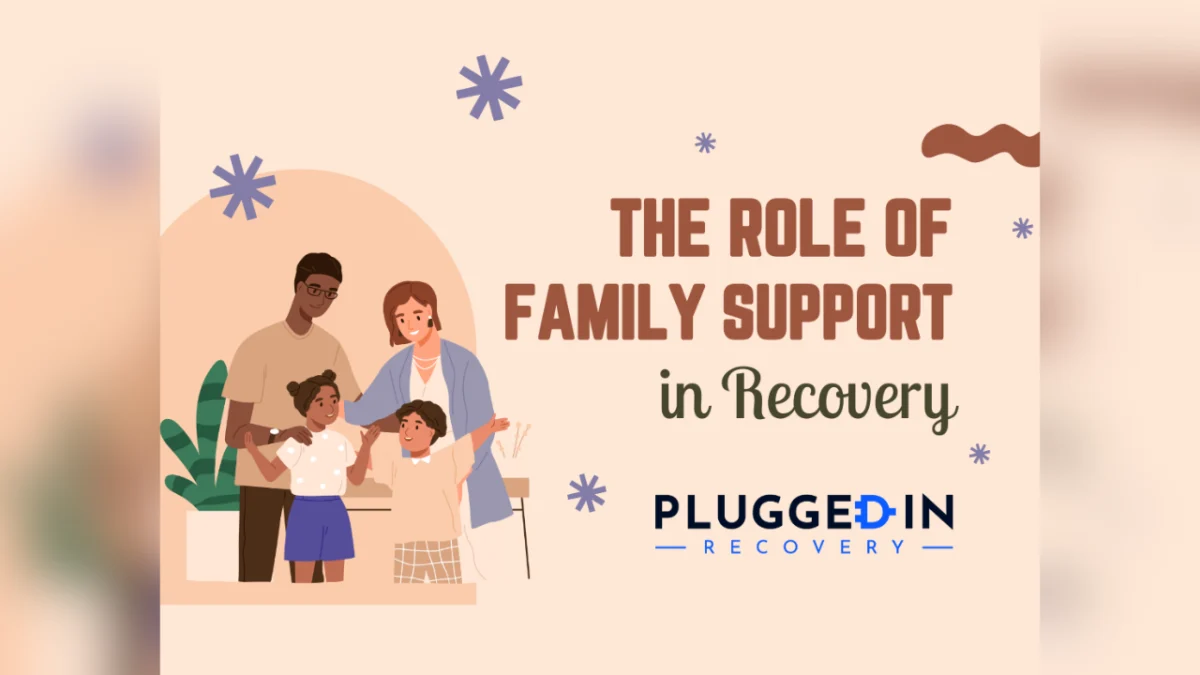







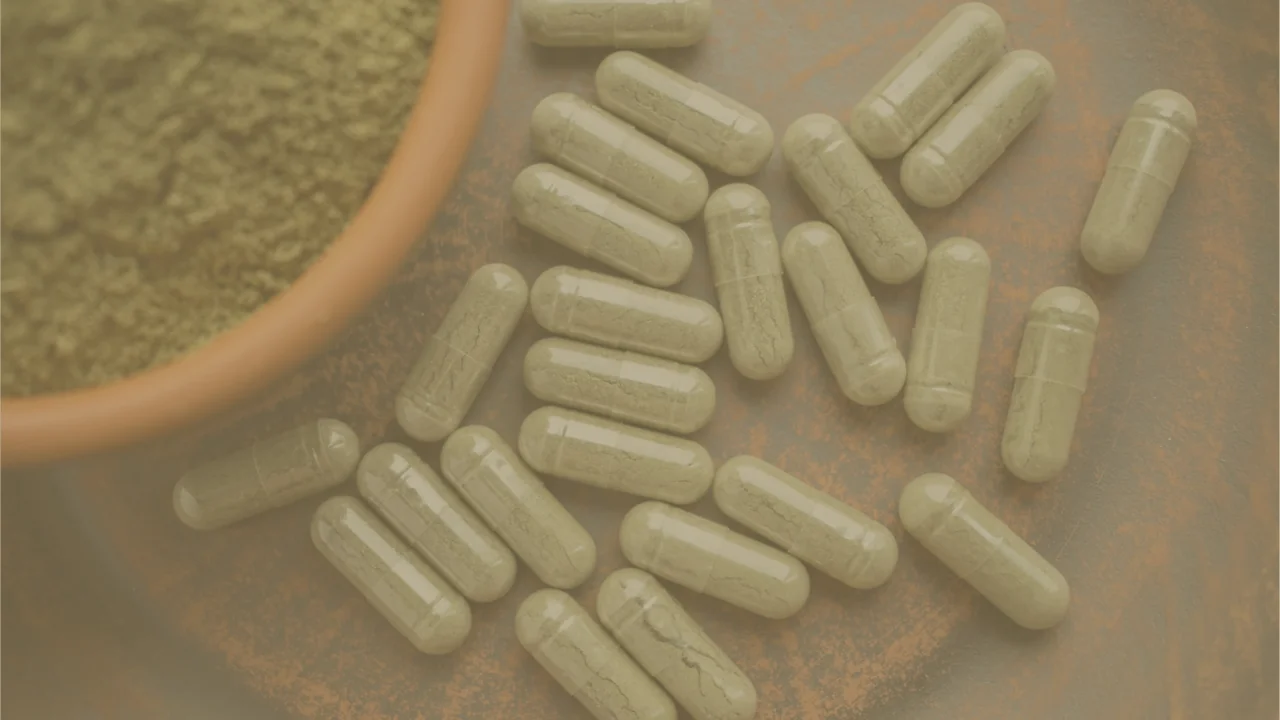




 Docs
Docs
Is California Sober Legal?
Docs
Docs
Is California Sober Legal?