Spring symbolizes renewal, growth, and fresh starts, making it an ideal season for individuals in recovery to rejuvenate their mindset and strengthen their commitment to sobriety. At our residential treatment center, we emphasize how critical it is to regularly refresh your recovery mindset, especially as we transition into the spring season—a time known universally for hope and new beginnings.
In this article, we’ll explore five impactful strategies to help you revitalize your recovery mindset this spring, enhancing your ability to maintain a healthy, productive, and rewarding recovery journey.
1. – Cultivate a Growth-Oriented Recovery Mindset
Spring is the season of growth, and aligning your recovery mindset with a growth-oriented perspective is transformative. Carol Dweck, author of “Mindset: The New Psychology of Success,” explains that adopting a growth mindset—believing that your abilities and recovery can continually improve through effort and learning—is critical to sustained recovery.
This mindset allows you to embrace setbacks as opportunities for growth rather than viewing them as failures. Just as spring invites renewal and fresh beginnings, nurturing a growth mindset can help your recovery journey blossom into lasting change.
Practical Steps to Cultivate a Growth Mindset in Recovery:
Challenge Negative Thoughts: Replace negative self-talk with affirmations of strength and possibility, particularly when facing obstacles in your recovery. Journaling regularly can help you recognize patterns of negative thinking and consciously replace them with empowering beliefs.
Set Incremental Goals: Establish achievable, incremental goals that reinforce the concept of continuous improvement. Small successes can significantly boost your confidence and reinforce your growth-oriented recovery mindset.
Seek Constructive Feedback: Regularly engage with your therapists, counselors, or support group members who can provide constructive feedback. This interaction fosters accountability and helps you see your growth objectively.
Establish a Consistent Daily Routine – 2.
Consistency and structure are pivotal to maintaining a strong recovery mindset, especially during the spring months when changes in routine might trigger cravings or relapse. According to the SAMHSA, maintaining a structured routine helps individuals in recovery feel grounded and reduces stress and anxiety, both of which are common relapse triggers.
Embracing predictable routines, such as regular exercise or scheduled mindfulness practices, can anchor your recovery during times of seasonal transition. By proactively managing your daily schedule, you empower yourself to confidently navigate periods of uncertainty with resilience and strength.
How to Create a Sustainable Recovery Routine:
Prioritize Sleep: Aim for 7-9 hours of restful sleep each night. Consistency in sleep patterns is crucial for mental health, emotional stability, and reducing cravings.
Balanced Nutrition: Implement regular, balanced meals into your daily schedule. Proper nutrition supports overall wellness, aids in mood stabilization, and enhances cognitive function—all vital components of a strong recovery mindset.
Daily Exercise: Incorporate moderate physical activities like walking, yoga, or cycling into your daily routine. Exercise improves mood, reduces stress, and reinforces physical health, making it a cornerstone of sustainable recovery.
3. – Strengthen Your Support System
Spring is a perfect time to nurture your relationships and strengthen your support network, a key component of maintaining a healthy recovery mindset. The American Addiction Centers emphasize the critical role that a robust support system plays in long-term recovery success. These relationships significantly enhance your ability to manage triggers and stress.
By investing time and energy into your connections during this season of renewal, you not only deepen existing bonds but also cultivate new relationships that fortify your resilience and enhance your overall well-being.
Ways to Strengthen Your Recovery Support System:
Participate Actively in Support Groups: Whether it’s a 12-step group, SMART Recovery, or an alumni group from your residential treatment center, actively participating helps build relationships with others who understand your journey.
Enhance Family and Friend Connections: Foster open and honest communication with family and friends. Informing your loved ones about your goals and struggles creates a supportive environment conducive to your ongoing recovery.
Leverage Professional Support: Regular sessions with therapists or counselors reinforce your recovery mindset by providing professional guidance tailored specifically to your recovery goals and mental health needs.
Integrate Mindfulness Practices – 4.
Mindfulness and meditation practices are incredibly beneficial for individuals in recovery, helping to reduce stress, enhance emotional regulation, and maintain a strong recovery mindset. Spring, with its vibrant renewal of nature, provides a naturally conducive environment for mindfulness practices.
According to Harvard Health Publishing, mindfulness exercises have been proven to positively impact emotional resilience, a key component of long-term recovery. aking mindful walks outdoors or simply spending quiet moments in nature during spring can further amplify these benefits, anchoring your recovery journey in tranquility and growth.
Ways to Strengthen Your Recovery Support System:
Participate Actively in Support Groups: Whether it’s a 12-step group, SMART Recovery, or an alumni group from your residential treatment center, actively participating helps build relationships with others who understand your journey.
Enhance Family and Friend Connections: Foster open and honest communication with family and friends. Informing your loved ones about your goals and struggles creates a supportive environment conducive to your ongoing recovery.
Leverage Professional Support: Regular sessions with therapists or counselors reinforce your recovery mindset by providing professional guidance tailored specifically to your recovery goals and mental health needs.
5. – Reconnect With Physical Wellness
Physical wellness significantly impacts your mental health and recovery mindset. Spring provides excellent opportunities to reconnect with physical wellness through activities that promote health, emotional balance, and stress reduction.
The Mayo Clinic highlights the link between regular physical activity and improved mental health, reduced cravings, and a more positive outlook on life—essential components for sustaining a healthy recovery mindset. Incorporating outdoor activities like hiking, biking, or gardening during spring can invigorate your recovery, reconnecting you to the rejuvenating power of nature.
Physical Activities to Boost Your Recovery Mindset:
Outdoor Activities: Hiking, biking, or gardening can help you reconnect with nature, reduce stress, and improve your mood, contributing positively to your recovery mindset.
Group Exercise Classes: Joining yoga, Pilates, or other fitness classes provides social interaction and motivation, further enhancing your overall wellness and recovery journey.
Personal Wellness Goals: Set manageable and enjoyable physical goals like participating in a community run or setting daily step targets. Achieving these goals reinforces your sense of capability and strengthens your recovery mindset.
My Thoughts: Turning a Tough Season into a Fresh Start
Honestly, this past fall and winter felt like one of the toughest stretches I’ve faced in a long time. I’ve always prided myself on being resilient, adaptable, and capable of multitasking well, but recently, I’ve been navigating intense personal challenges and professional uncertainties that have genuinely shaken my confidence and stability.
Just last week, the emotional instability I’d been experiencing reached a point where it started affecting my work life in a noticeable way. This realization was a serious wake-up call. I recognized that if I didn’t make immediate changes, not just my well-being, but my livelihood itself could be at risk. It became clear that simply riding out this rough patch wasn’t an option—I needed an intentional reset.
One major realization I’ve had is that my desire to succeed professionally can’t be my sole focus. I’ve learned the hard way that balance isn’t just important—it’s essential. If I’m constantly pushing forward without caring for my mental and emotional health, my long-term goals will never come to fruition. Allowing short-term frustrations and setbacks to knock me off track isn’t sustainable, and I’m committed to changing that dynamic.
https://www.linkedin.com/in/ericgparra/
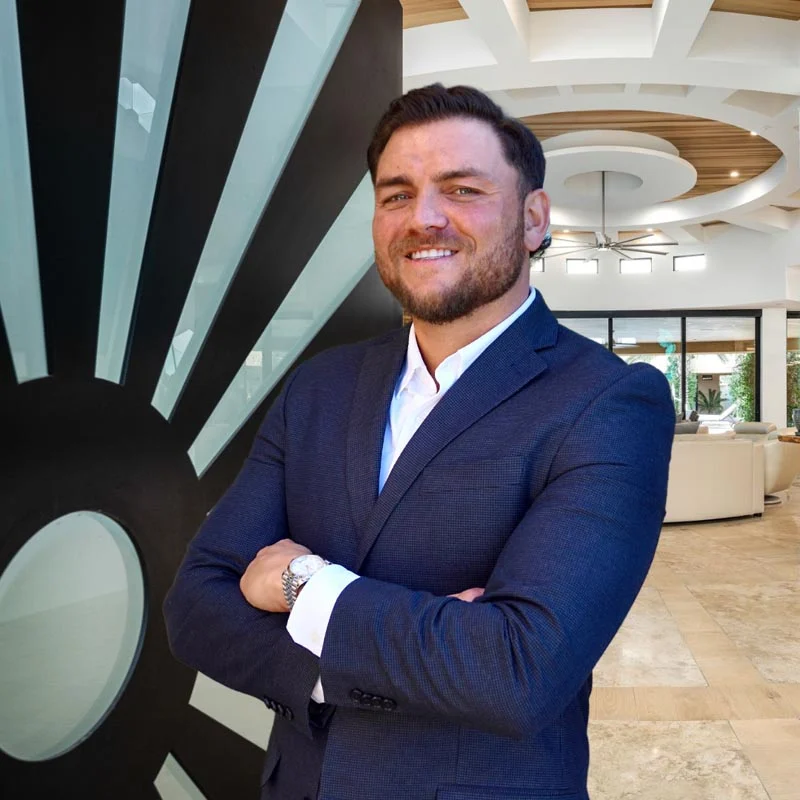
Eric Parra
Marketing DirectorPlugged In Recovery
I’ve also noticed that my emotional state has worsened as I’ve slacked off on my marathon training. Staying disciplined with my training schedule has always helped keep me grounded, and slipping away from it has clearly impacted my mental and emotional balance. Getting back into my routine and recommitting to my training schedule is now a top priority, not just for my physical health but also for my overall well-being.
This spring represents more than just a change in seasons—it’s genuinely my opportunity to reset, recharge, and step confidently into a renewed commitment to personal and professional growth. I’m genuinely optimistic about what lies ahead, ready to embrace this fresh start and move forward stronger and more focused than ever.
Take Action: Embrace Your Spring of Renewal
Now is your time to embrace these five powerful strategies and refresh your recovery mindset. Whether you’re cultivating a growth-oriented perspective, establishing consistent routines, reconnecting with your support network, practicing mindfulness, or prioritizing your physical wellness, each step brings you closer to lasting recovery and genuine renewal. Remember, spring represents hope, growth, and opportunity—seize this moment to strengthen your commitment to sobriety and build a foundation for a healthier, happier future. Your journey to lasting recovery starts now.
Like this article?
Subscribe to Wellness Wire for more recovery insights!
Stories of Transformation @ phoenix rescue mission
Sergio’s journey from homelessness to hope isn’t just a personal transformation—it’s a story that continues to impact countless lives. Today, as a Street Outreach Supervisor at Phoenix Rescue Mission, Sergio uses his experience to connect with those still living on the streets. His work goes beyond offering food or shelter. He builds trust, offers guidance, and introduces people to the same faith-based recovery program that changed his life.
Sergio’s story begins on the streets. Like many who find themselves homeless, his life spiraled due to addiction and poor decisions that led him down a dark path. Homelessness isn’t just about lacking a roof over your head—it’s a state of isolation and hopelessness that eats away at a person’s dignity.
Sergio spoke candidly about how his days blurred into one another, consumed by addiction and a deep sense of purposelessness. Every day felt like a battle just to survive. He described moments when he felt completely invisible, discarded by society, and unsure if he would ever find a way out.
For many, change doesn’t come until they hit rock bottom. Sergio reached that point and realized he needed help. That’s when he encountered Phoenix Rescue Mission, an organization committed to transforming lives through faith-based recovery programs. The mission doesn’t just provide shelter and food—it offers a path toward genuine healing.
Sergio enrolled in their faith-based recovery program, which combines counseling, skill-building, and spiritual growth. Through this process, he confronted the root of his struggles. Addiction is often a symptom of deeper wounds—trauma, loss, and unaddressed pain. For Sergio, facing those inner battles was essential to moving forward.
He emphasized that the program didn’t just offer sobriety but provided a sense of belonging. In the Phoenix Rescue Mission’s supportive environment, he was surrounded by people who believed in him even when he didn’t believe in himself. What truly set Sergio’s journey apart was his encounter with faith.
He found not just sobriety but also a renewed sense of purpose through his relationship with Jesus Christ. Faith played a central role in his healing process, offering him strength in moments of weakness and clarity when his mind was clouded by doubt.
Sergio spoke passionately about how God’s love became a guiding light during his recovery. He described moments of deep reflection where he realized that his past mistakes did not define his future. Through prayer and mentorship, he rebuilt his life with a solid foundation of faith and forgiveness.
Recovery isn’t the end of the story—it’s the beginning of a new chapter. Sergio’s journey didn’t stop once he completed the program. Grateful for the second chance he received, he committed himself to giving back. Today, he serves as a supervisor at Phoenix Rescue Mission, helping others walk the same path he once traveled.
His role allows him to connect deeply with those going through recovery. Because he’s been in their shoes, his empathy and understanding resonate on a profound level. He knows what it feels like to be hopeless, and he also knows that change is possible. Sergio uses his experience to encourage others, reminding them that every step forward, no matter how small, is a victory.
As a supervisor, Sergio isn’t just offering guidance—he’s a living example of what’s possible. He meets people where they are, providing them with the tools, support, and faith needed to rebuild their lives.
One of the most powerful themes in Sergio’s story is the idea that everyone deserves a second chance. Society often writes people off after a few bad decisions, but Phoenix Rescue Mission operates on the belief that no one is beyond redemption.
Sergio’s transformation proves that with the right support and faith, anyone can rise from rock bottom. He emphasizes that while the journey isn’t easy, it’s worth it. Change requires commitment, vulnerability, and the willingness to confront painful truths. But through that process, real growth happens.
Sergio’s story also highlights the importance of addressing the root causes of homelessness and addiction. These challenges aren’t just individual problems—they’re societal issues that require compassion and systemic solutions. Programs like the one at Phoenix Rescue Mission don’t just put a Band-Aid on the problem. They dig deep, offering life skills, emotional support, and a community where people can rebuild their lives.
Addiction often stems from unresolved trauma or a lack of purpose. Without addressing these core issues, people are left vulnerable to relapse. That’s why faith-based programs that focus on healing the whole person—mind, body, and soul—are so impactful.
Sergio’s journey is a reminder that no matter how far someone has fallen, it’s never too late to start again. His story challenges us to see beyond the surface, to recognize the potential in every individual, and to extend grace where it’s often least expected.
During our conversation, Sergio’s words carried a quiet strength—a confidence born from surviving life’s hardest moments and emerging stronger. His message to those still struggling is simple but powerful:
“You’re not alone. There’s a way out. And if I can do it, so can you.”
In a world that often overlooks the most vulnerable, stories like Sergio’s shine a light on what’s possible when compassion meets action. They remind us that transformation is not just about individual willpower but also about having a support system that believes in second chances.
Hearing Sergio’s journey made me reflect on the importance of creating spaces where people can heal, grow, and find purpose. It reinforced the need for more organizations like Phoenix Rescue Mission that don’t just provide temporary solutions but walk alongside people as they rebuild their lives.
Why Stories Like Sergio’s Matter
Sergio’s story is more than a tale of overcoming adversity—it’s a testament to the power of faith, resilience, and community. His life now reflects what can happen when we extend grace and invest in those who have been cast aside.
As I wrapped up my conversation with Sergio, I couldn’t help but feel a renewed sense of hope. His journey is a powerful reminder that no one is too far gone, and every person, no matter their past, has the potential to walk a path of restoration.
Sergio’s life is proof that with faith, support, and determination, transformation is possible.
And that’s a message we all need to hear.
Get Plugged In
Want the latest insights on health, wellness, and everything in between? Subscribe to Wellness Wire and never miss a beat.
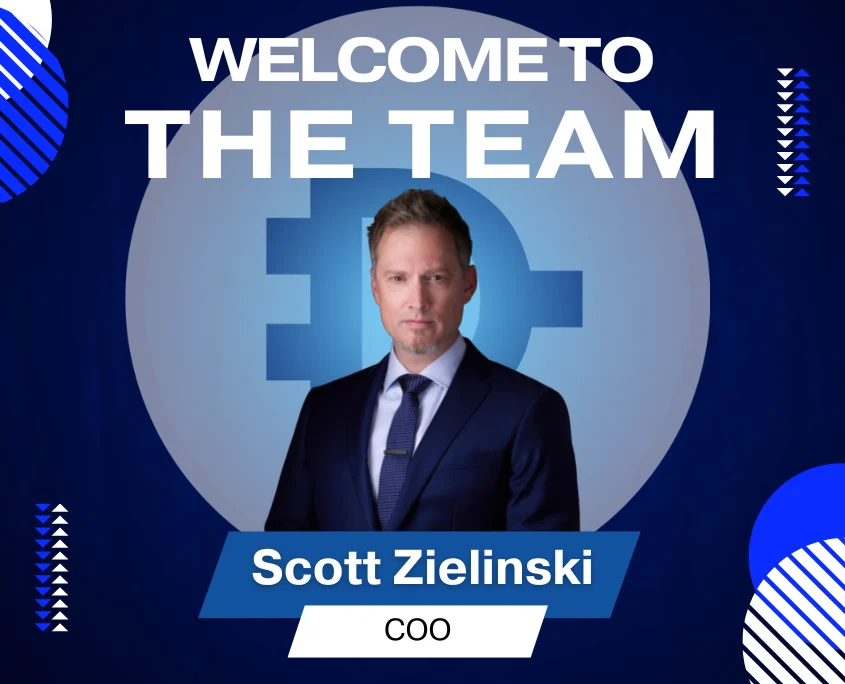
Things are heating up at Plugged In, and we’ve got some big news to share. Wade’s been cooking up something exciting behind the scenes, and now it’s official — Scott Zielinski is stepping in as our new COO. And let’s be real, this isn’t just another “new hire” announcement. This is a game-changer.
Scott’s not your average exec. He’s sharp, forward-thinking, and ready to dive headfirst into the chaos that comes with building something as dynamic as Plugged In. Wade’s been hyped about this move for a while now, and for good reason. Scott brings the kind of experience and energy that’s going to push us even further.
In the world of entrepreneurship, few individuals demonstrate the ability to successfully navigate multiple industries while maintaining a commitment to growth and innovation. Scott Zielinski is one such leader, with over 22 years of experience spanning tech startups, real estate development, and investment management. His track record speaks for itself: from founding and scaling successful companies to making a lasting impact in emerging industries, Scott is a force to be reckoned with.
Scott’s entrepreneurial journey took off in 2007 with the founding of SearchSpring, an enterprise-level site search and merchandising platform. His vision was simple yet powerful: help online retailers optimize search relevancy, increase conversions, and automate merchandising tasks. What began in a spare bedroom soon grew into an industry powerhouse, serving top-tier brands such as Skims, Volcom, and Fabletics. Under Scott’s leadership, SearchSpring expanded to a team of over 50 employees and became a dominant force in the e-commerce space. In 2019, after years of growth and success, Scott successfully exited the company following its acquisition.
After his success in tech, Scott turned his focus to the world of luxury real estate. That same year, he launched Koltek Investments, a portfolio specializing in custom spec homes in the prestigious Arcadia neighborhood of Phoenix, Arizona. With a keen eye for design, innovation, and quality craftsmanship, Scott developed Koltek into a brand synonymous with high-end living. His commitment to integrating cutting-edge technology and top-tier materials set Koltek homes apart, redefining luxury in the Phoenix market.
Scott’s entrepreneurial journey continued in 2024 with the founding of RKDA Capital, a firm dedicated to multi-family real estate investments. With RKDA, Scott provides investors with opportunities to generate passive income, build wealth, and maximize tax advantages through strategic real estate investments.
His deep understanding of market trends and investment strategies has positioned RKDA Capital as a key player in the real estate sector.
Beyond tech and real estate, Scott has also dedicated himself to impact-driven ventures. In 2025, he became a partner and COO at Plugged In Recovery, an addiction treatment organization focused on helping individuals reclaim their lives.
Through this role, Scott channels his expertise in scaling businesses toward making a real difference in the recovery space.
Scott Zielinski’s career is a testament to his ability to identify opportunities, build successful ventures, and drive innovation. Whether in technology, real estate, or impact-driven business, his leadership and strategic vision continue to create new opportunities for growth and success. As he expands his portfolio and explores new industries, Scott remains committed to staying ahead of market trends, identifying untapped potential, and capitalizing on emerging opportunities. His proven ability to adapt and excel in diverse industries ensures that his ventures remain resilient and competitive in an ever-evolving business landscape.
Scott’s future endeavors are poised to further his impact across multiple sectors. With an eye on technology advancements, sustainable real estate models, and innovative approaches to addiction recovery, he is positioned to lead new initiatives that align with his mission of creating value and making a difference. His focus on combining business acumen with a desire to improve lives ensures that his ventures will continue to not only succeed but also contribute positively to society. As Scott looks to the horizon, his next chapter promises even greater accomplishments and deeper impact, proving that for him, the journey of innovation and growth is far from over.
Message from our CEO/Founder
Alright, I’ve got to take a minute to share how pumped I am that Scott’s joining the Plugged In team. I’ve known this guy for a while now, and he just gets it. He’s got the kind of mindset that fits perfectly with what we’re building here — someone who’s not afraid to think differently, challenge the norm, and bring fresh ideas to the table.
Plugged In has always been about pushing boundaries and redefining how we connect people and ideas. We’re not interested in playing it safe or sticking to the usual script. And Scott? He’s all in on that vision. He’s got the chops to help us scale this thing in ways we’ve only scratched the surface of so far.
What excites me the most is that Scott isn’t just bringing skills — he’s bringing energy, curiosity, and a drive to keep building something that actually matters. With him on board, I’m more confident than ever that we’re headed toward something big.
The future of Plugged In? Yeah, it’s looking pretty dang exciting.
– Wade Muhlhauser
Follow scott’s journey
Want the latest insights on health, wellness, and everything in between? Subscribe to Wellness Wire and never miss a beat.
Why Subscribe?
Fresh blog posts delivered straight to your inbox
Exclusive podcast episodes with thought leaders in wellness
Tips and strategies to help you live your best life
Join our community and stay plugged into what matters.
In a recent episode, Wade sat down with Cassie Henricks, now the Head of Business Development and Admissions at Monument Recovery, to hear her powerful story. Cassie’s journey with Monument Recovery began not as a staff member, but as one of their very first clients—a journey that reshaped her life and ultimately led her to become a driving force behind the program that once saved her.
Cassie’s introduction to Monument Recovery came during one of the darkest periods of her life. Like so many who seek help, she arrived with a mixture of hope and uncertainty. But from the beginning, she was determined to make a change. Monument Recovery provided the structure, support, and compassion she needed, and Cassie embraced the program with full commitment.
“I remember feeling like I was at the end of the road,” Cassie told Wade. “But Monument Recovery didn’t just offer me a way out. They gave me a path forward.”
Cassie’s dedication to her recovery was evident. She immersed herself in the program, participated actively in group therapy, and leaned into the community that surrounded her. But what stood out most was her natural ability to uplift and encourage others in the program. Even as she worked through her own struggles, Cassie became a source of hope for fellow clients—someone they could look to for strength and understanding.
Cassie’s impact didn’t go unnoticed. Her counselors and peers saw her potential and the positive influence she had on others.
After completing her time at Monument Recovery, Cassie remained deeply connected to the community. Her desire to help others led her to pursue a career in behavioral health—a field where her empathy, firsthand experience, and unwavering belief in recovery could make a lasting difference.
“I didn’t want to just move on with my life,” Cassie explained. “I wanted to give back to the place that gave me so much. I wanted to be there for the next person walking through the door, feeling as lost as I once did.”
Cassie’s transition into the professional side of recovery work was seamless. Her lived experience allowed her to connect with clients on a personal level, offering not just advice but real empathy. She understood their fears and doubts because she had been in their shoes.
Today, Cassie is at the forefront of Monument Recovery’s mission, serving as Head of Business Development and Admissions. With her deep understanding of recovery with her passion for helping others find hope, Cassie guides new clients through the admissions process, ensuring they feel safe, supported, and heard from the very first call.
“Admissions isn’t just about paperwork and logistics,” Cassie said. “It’s about making someone feel like they’re not alone. It’s about giving them that first glimmer of hope that things can get better.”
Her role in business development also allows her to expand the reach of Monument Recovery, helping more people access the life-changing support the program offers. Cassie’s dedication goes beyond the typical duties of her position—she remains a constant presence in the lives of clients, checking in, encouraging, and celebrating their milestones.
Cassie’s influence at Monument Recovery is undeniable. Her enthusiasm and compassion create an environment where clients feel safe and valued. She knows firsthand how difficult the first steps of recovery can be, and she meets each person with warmth and understanding.
“Cassie embodies everything Monument Recovery stands for,” Wade observed during their conversation. “Her story shows what’s possible when someone commits to change and finds a program that truly supports them.”
Cassie’s work isn’t just professional—it’s personal. She believes wholeheartedly in the power of the program because she’s lived it. Her journey from client to leader is a testament to the strength of the human spirit and the transformative power of recovery.
As Monument Recovery continues to grow, Cassie’s presence ensures that the heart of the program remains intact. She is a living reminder that recovery is possible, and her story continues to inspire clients and staff alike.
“I’m proof that this works,” Cassie said. “And if it worked for me, it can work for anyone. I’ll keep doing everything I can to make sure people know that.”
Cassie Henricks’ journey from one of Monument Recovery’s first clients to a key leader is not just a story of personal transformation—it’s a testament to the program’s power to change lives. Through her work, Cassie ensures that Monument Recovery remains a place where people can find not just sobriety, but hope, purpose, and a new beginning.
A word from wade
I’ve had the privilege of watching Cassie grow over the past year and a half, and it’s been nothing short of inspiring. Seeing where she started and where she is now? Crazy.
Cassie was one of Monument’s very first clients. I remember JP telling me about her back when she was fresh in the program, and even then, there was something about her. She wasn’t just in it for herself. She was already lifting up the people around her, giving them hope while she was still figuring things out herself. And that hasn’t changed.
We talked about how she went from client to leader—now she’s the one answering the calls and walking people through the scariest moments of their lives. And if anyone knows what that feels like, it’s Cassie. She doesn’t just talk about recovery, she lives it. Her empathy is real because she’s been in those shoes. I think that’s what makes her so damn good at what she does.
What’s wild is, I’ve been lucky enough to see her in action firsthand. We’ve hit the road together for business trips—Florida trips especially come to mind. Long days, back-to-back meetings, but somehow Cassie never loses her energy. She’s out there connecting with people, sharing her story, and making sure they know Monument Recovery isn’t just another program. It’s personal for her. She’s not selling anything—she’s giving people hope.
JP and I talk about it all the time. Cassie’s one of those rare people who doesn’t just do her job—she cares. She’s the kind of person you want in your corner when things get tough. And watching her step into this leadership role? I couldn’t be prouder. She’s taking Monument to new heights and helping so many people along the way.
I’m excited for what’s next. More trips, more stories, and I know Cassie’s just getting started. Monument Recovery is lucky to have her, and honestly, so am I. If you haven’t heard her full story yet, do yourself a favor and check out this episode. Cassie’s the real deal.
In 2018, I found redemption through sobriety for the first time. At the time, I was drowning in the consequences of my addiction, and I knew something had to change. I stepped into the rooms of Alcoholics Anonymous with desperation, but also with hope. Little did I know that those first few months would be the foundation of something that would shape my life in ways I could never have imagined. For several years, I thrived in recovery. I embraced the program, leaned into the fellowship, and found a sense of belonging I had never experienced before.
Life became more than just surviving—I was building something meaningful. I became an active participant in my own redemption, sponsoring others, showing up to meetings, and doing the next right thing.
I finally felt like I was living instead of just existing. But as time went on, something shifted. My priorities slowly started to change, and without realizing it, I began drifting from the foundation that had once saved me. It wasn’t an immediate collapse; rather, it was a slow erosion.
I stopped attending meetings as frequently. I let small justifications creep in—convincing myself I didn’t need to call my sponsor as much, that I was too busy for step work, that I could handle things on my own. The people who had once held me accountable began fading into the background.
I didn’t see the relapse coming, but in hindsight, the signs were all there. Slowly, I grew sicker—emotionally, mentally, and spiritually. The light inside me dimmed, and I lost sight of the gratitude and humility that had once kept me grounded.
By early 2024, I had reached my breaking point. I was drained, hopeless, and, for the first time in years, I found myself in a place where I had lost the will to live. Even the four children who depended on me, who loved me unconditionally, weren’t enough to pull me out of the darkness I was in. Addiction had stolen my ability to see the love and purpose that surrounded me.
The Lowest Point
On July 21st, 2024, in complete despair, I picked up fentanyl, fully intending to overdose. I had convinced myself that the world would be better off without me—that my children, my family, and everyone who had ever loved me would eventually move on and be happier without the burden of my existence. Addiction distorts reality in the cruelest ways, whispering lies so convincingly that they feel like truths.
But instead of the end I had planned, something unexpected happened. Just eight days later, I found myself checking into detox. I don’t remember exactly what led me there—whether it was divine intervention, a moment of clarity, or sheer survival instinct. But in that moment, I told myself that I would get through withdrawal, leave, and return to Alcoholics Anonymous. I still believed I had control. I thought I could simply dust myself off, return to meetings, and fix everything on my own.
That illusion shattered when I had a life-changing conversation with Wade Muhlhauser.
The Call That Led to Redemption
After medically clearing myself from detox, still convinced that I knew what was best, I reached out to Wade. I’ll never forget that call because it altered the course of my life in a way I never could have anticipated. Wade spoke to me with a rare blend of honesty and compassion—firm but kind, unwavering yet understanding. He didn’t sugarcoat anything. He told me the truth I had been avoiding: that I needed time to reset. That I had to stop pretending I could white-knuckle my way through recovery. That my life, my sobriety, and my mental health had to come first.
He invited me to Plugged In Recovery. He reminded me that I didn’t have to do this alone.
That call broke through my denial, and for the first time in a long time, I surrendered. I admitted that I needed help.
The Plugged In Redemption Experience
Walking into Plugged In Recovery was unlike anything I had ever experienced before. I had been in treatment before, but nothing prepared me for what I found there. The home itself was stunning—beautiful, peaceful, a place that immediately felt like a sanctuary. But what truly made the difference were the people inside.
Wade had built something extraordinary. Plugged In wasn’t just another treatment center; it was a place filled with people who genuinely cared. The staff weren’t just professionals—they were warriors in recovery themselves, individuals who understood the battle I was fighting because they had fought it too. They weren’t there for a paycheck; they were there because they believed in the power of healing and redemption.
Bravo and Heath played a critical role in my first few weeks. They saw right through me. They weren’t afraid to call me out on my ego, my justifications, and my self-deception. They didn’t let me hide behind old patterns or manipulate my way through recovery like I had done in the past. With their guidance, I started to strip away the layers of delusion I had built up over the years. For the first time in a long time, I started to find humility again—a vital step in my redemption process.
Jackie, my therapist, became my rock. She earned my trust immediately. She was strong, wise, and unwavering in her support. Through her, I learned the power of setting healthy boundaries and, more importantly, following through with them. That lesson alone was a game-changer. For so long, I had allowed others to dictate my worth, to take advantage of my kindness, to manipulate me into betraying my own needs. Jackie taught me that setting boundaries wasn’t about shutting people out—it was about valuing myself enough to demand respect. I wouldn’t be the woman I am today without her guidance.
Tyler reintroduced me to something I had lost along the way—the power of The Sick Man’s Prayer from Alcoholics Anonymous. Through him, I was able to take an honest look at my part in my resentments and, most importantly, learn to forgive. My anger had been poisoning me, festering inside me, and Tyler helped me see that unless I released it, it would destroy me.
Jonah, Lexi, and Suzanne were beacons of light during my journey. Their compassion, dedication, and unwavering belief in every client they worked with were truly inspiring. I will always be grateful to Lexi and Suzanne for being my biggest cheerleaders when I needed it most and to Jonah for his wisdom during my toughest days.
And I can’t forget Dez, Eric, and Ryan—the heart of Plugged In’s operations. Their drive, passion, and deep love for this place were undeniable. Seeing their dedication made me want to be part of something bigger than myself.
Of course, no experience at Plugged In would be complete without mentioning Chef Shannon. It wasn’t just about the incredible meals—though they were definitely a highlight—it was the way she created a sense of home. She cared about every client who walked through the doors, and that warmth made all the difference.
A Full-Circle Redemption Moment
To say Plugged In Recovery saved my life would be an understatement. The experience transformed me. It gave me the tools, support, and love I needed to rebuild—not just for myself, but for my children and my future.
Today, I have the privilege of being part of the Plugged In Recovery team, working alongside the very people who once helped me find my way back. It’s an honor to pay it forward, to be there for others who are struggling the way I once was.
If you’re reading this as a Plugged In alumnus, know that you’re never alone. Recovery isn’t just about getting sober—it’s about staying connected, leaning on those who truly understand, and remembering that no matter how far you’ve fallen, there’s always a way back.
Plugged In didn’t just give me my life back.
It gave me redemption.
Forever grateful,
Shannon Reid
Get Plugged In & Subscribe to our blog + podcast
If you’re passionate about recovery, be sure to subscribe to the Wellness WireBlog + Podcast.
–
Learn more about other’s redemption stories and get insights into how you or a loved one can embark on a path to redemption today!
We regularly feature inspiring stories, expert insights, and valuable resources to help individuals on their journey to wellness. Stay informed, stay inspired, and stay connected by joining our growing community.
Subscribe today and be part of the conversation!
Lauren Cortes: A Leader in Holistic Therapy
Lauren’s passion for holistic healing is rooted in her own family’s experiences with addiction. Growing up, she witnessed her father’s struggle with addiction, an experience that deeply impacted her perspective on healing and wellness. Watching him navigate the challenges of addiction and recovery, she realized that true healing requires more than just willpower—it demands a deep understanding of the mind, body, and spirit.
Driven by a desire to make a greater impact, Lauren made the courageous decision to leave her corporate lifestyle behind and dedicate herself fully to holistic wellness and healing practices. This life-changing choice led her to Arizona, where she found a community that aligned with her passion for holistic therapy and self-discovery.
Lauren’s story is one of courage, transformation, and purpose. By bringing her personal experiences, passion for holistic therapy, and unwavering dedication to her work, Lauren is helping reshape addiction recovery—proving that true healing comes from nurturing the whole self: mind, body, and spirit.
Lauren Cortes
Holistic Wellness InstructorPlugged In Recovery
Lauren’s Modalities
Vinyasa Yoga
Vinyasa Yoga is a dynamic style of yoga that synchronizes breath with movement, creating a flowing and meditative practice. This form of holistic therapy is known to:
🧘 Lower stress and anxiety by calming the nervous system 🧘♀️ Improve flexibility, strength, and circulation 🧘♂️ Enhance self-awareness to prevent relapse triggers 🧘 Encourage mindfulness and emotional balance
Sound healing
Sound Healing is an ancient form of holistic therapy that uses vibrations from singing bowls, gongs, and tuning forks to restore balance and promote relaxation. This therapy can:
🎵 Reduce anxiety and stress levels 🎵 Enhance deep meditation and emotional release 🎵 Promote better sleep and mental clarity 🎵 Help process and heal past trauma
Human Design Classes
Human Design is a self-awareness tool that blends astrology, the I-Ching, Kabbalah, and chakra systems to help individuals understand their energy type and life path. Through Human Design Classes, individuals can:
🔮 Gain deeper self-awareness and personal insights 🔮 Discover strengths & authentic decision-making strategies 🔮 Understand relationship patterns and life challenges 🔮 Align their lives with their true purpose
Benefits of Holistic Therapy
Holistic therapy encourages introspection and self-discovery through practices like Human Design Classes. These tools help individuals understand their emotions, thought patterns, and personal strengths. By increasing self-awareness, residents can identify and heal past trauma, improve their relationships, and cultivate a stronger sense of purpose in their sobriety journey.
What does holistic mean?
The term “holistic” comes from the Greek word holos, meaning “whole.” Holistic therapy focuses on treating all aspects of a person’s well-being—mental, emotional, physical, and spiritual—rather than simply addressing symptoms. This approach promotes balance and self-healing, helping individuals achieve long-term wellness.
Holistic vs. traditional therapy
Traditional therapy primarily addresses mental health concerns using talk therapy, medication, and behavioral interventions. While effective, this approach may overlook the connection between physical, emotional, and spiritual health.
On the other hand, holistic therapy integrates multiple healing modalities to treat the whole person. This method recognizes that mental health, physical wellness, and spirituality are interconnected, and sustainable recovery comes from nurturing all aspects of the self.
In the realm of addiction recovery, holistic therapy plays a crucial role in healing by addressing the mind, body, and spirit as interconnected elements of well-being. Unlike traditional methods that primarily focus on psychological and behavioral aspects, holistic therapy takes a more comprehensive and integrative approach, ensuring that individuals receive support on multiple levels. At Plugged In Recovery, this philosophy is brought to life by Holistic Wellness Instructor Lauren Cortes, who is dedicated to helping individuals find balance, strength, and self-awareness throughout their recovery journey.
Through a carefully curated blend of Vinyasa Yoga, Sound Healing, and Human Design Classes, Lauren provides clients with transformative tools to restore inner harmony, manage stress, and foster personal growth, guiding them toward a more resilient and fulfilling life beyond addiction.
Why Holistic Therapy Matters in Recovery
Unlike conventional treatment methods that focus solely on addiction and mental health, holistic therapy addresses emotional well-being, physical health, and spiritual growth. This comprehensive healing process fosters long-term stability, helping individuals build a fulfilling, addiction-free life.
At Plugged In Recovery, Lauren Cortes is pioneering holistic therapy to support recovery through yoga, sound healing, and self-discovery practices. Her approach allows individuals to not just recover, but to thrive in all aspects of their lives.
Start Your Healing Journey Today
If you or someone you love is struggling with addiction, holistic therapy at Plugged In Recovery offers a transformative path to healing. Through Vinyasa Yoga, Sound Healing, and Human Design Classes, Lauren Cortes provides powerful tools for recovery, self-discovery, and lasting wellness.
📞 Contact Plugged In Recovery today to begin your holistic healing journey!
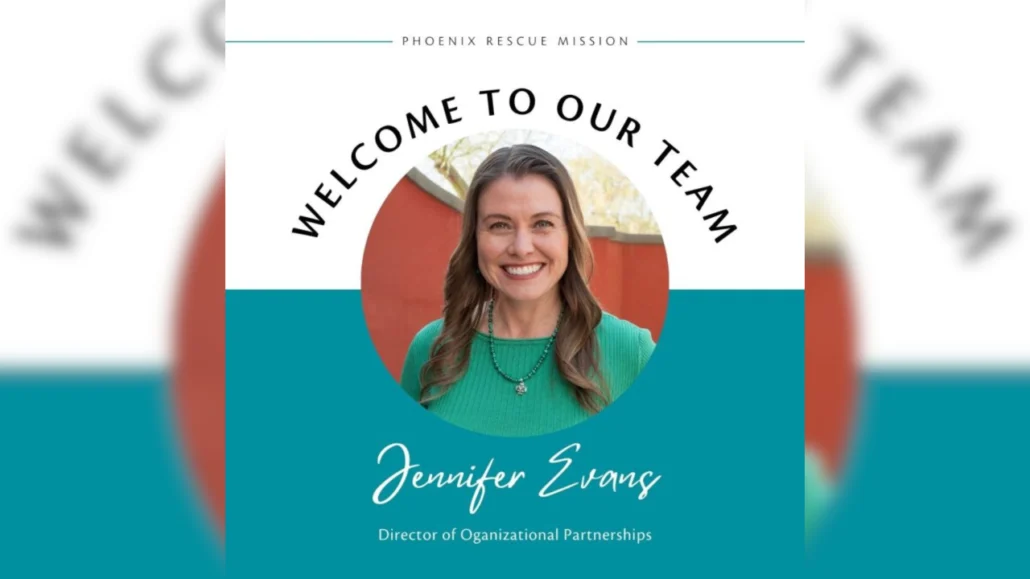
A Life Transformed: Jennifer Evans of Phoenix Rescue Mission
I had the privilege of sitting down with Jennifer Evans. What made this interview extraordinary wasn’t just her professional experience but her deeply personal story of redemption. Jennifer’s journey from addiction to recovery, fueled by faith and purpose, is nothing short of inspiring. Through her work beginning at Grace Sober Living and now at Phoenix Rescue Mission, she has dedicated her life to helping others find the same hope and healing she once desperately needed.
A Divine Intervention: How Jesus Transformed Jennifer’s Life
Jennifer was candid about her past struggles with addiction. Like so many others who find themselves in the grip of substance abuse, she never imagined that her life would spiral to such depths. What started as casual use soon escalated into a cycle of dependency that affected every aspect of her life—her relationships, her career, and, most importantly, her sense of self-worth.
Buther story did not end in despair. In her darkest moments, she encountered something that would change the trajectory of her life—Jesus.
Jennifer describes her transformation as nothing short of miraculous. She recalled the exact moment she surrendered her life to Christ, realizing that she could not fight her battles alone. It was in that surrender that she found strength she never knew she had.
Her faith became the cornerstone of her recovery. As she embraced the healing power of Christ, she also found the courage to take the necessary steps toward sobriety. She credits God with giving her the strength to walk away from addiction, mend broken relationships, and begin the long journey of rebuilding her life.
Once she was on the path to recovery, Jennifer felt called to help others who were struggling with addiction. She began working in the recovery industry, using her personal experiences to guide and support others on their journey.
She started at Grace Sober Living, an organization dedicated to providing safe, structured environments for those in early recovery. Jennifer played an instrumental role in helping them open their first sober living house. Her passion and dedication were evident, and as the organization grew, so did her responsibilities. She helped Grace Sober Living expand to seven homes, offering countless individuals a chance to reclaim their lives.
As much as Jennifer loved her work at Grace Sober Living, she felt convicted to continue growing professionally and spiritually. This conviction led her to accept a position at Phoenix Rescue Mission, a faith-based nonprofit dedicated to ending homelessness and addiction in the Valley.
The mission and values of Phoenix Rescue Mission resonated deeply with her own journey. The organization not only provides food, shelter, and recovery programs but also emphasizes faith as a crucial component of transformation. For Jennifer Evans, this alignment made her transition into the role seamless.
The Impact of Faith-Based Recovery
One of the key aspects of Phoenix Rescue Mission’s approach is its faith-based recovery programs. Jennifer firmly believes that true transformation happens when individuals encounter the love of Christ and allow Him to heal their deepest wounds.
“I’ve seen it time and time again,” she said. “People come in completely broken, and through our programs, they not only achieve sobriety but also discover a new sense of purpose.”
The mission offers various programs tailored to meet the needs of the individuals they serve, including:
Men’s and Women’s Recovery Programs: Providing structured environments where individuals can heal physically, emotionally, and spiritually.
Job and Life Skills Training: Equipping people with the tools they need to reintegrate into society successfully.
Outreach Services: Reaching those on the streets and offering them a way out.
The Impact of Faith-Based Recovery
As our conversation came to a close, I asked Jennifer what message she would like to share with those who are currently struggling with addiction.
Jennifer’s story is a testament to the power of faith, perseverance, and the incredible work being done at Phoenix Rescue Mission. Her journey from addiction to a thriving career in recovery services is proof that transformation is possible for anyone willing to surrender and trust in God’s plan.
Through her work, Jennifer continues to inspire, encourage, and uplift those who need it most. Her life is a beacon of hope, illuminating the path for others who are searching for a way out of darkness and into the light.
My Personal Thoughts
Jennifer Evans is one of those people who instantly makes an impact. From the moment I met her, I could tell she had a presence that was both strong and compassionate, the kind of energy that makes you want to be better just by being around her. She’s inspiring—not just because of what she’s accomplished but because of who she is. She carries this deep wisdom and authenticity that makes every conversation meaningful.
Sitting down to interview her was an experience I won’t forget. I already knew she was amazing, but hearing her story, her perspective, and the way she approaches life and helping others just solidified that even more. She has this ability to take complex emotions and experiences and put them into words in a way that resonates deeply. There were so many moments during our conversation where I found myself just nodding, completely absorbed in what she was saying.
Beyond the interview, Jennifer is just someone I genuinely like and respect. She’s real, she’s passionate, and she’s making a difference. I left our conversation feeling motivated, grateful, and even more committed to the work we’re doing. She reminds me why I do what I do, and I’m lucky to know her.
My interview with Jennifer Evans left a lasting impression on me. It was a reminder that redemption is real, that faith has the power to change lives, and that organizations like Phoenix Rescue Mission play an invaluable role in the fight against addiction and homelessness. Jennifer’s unwavering commitment to helping others is a powerful example of how one transformed life can create a ripple effect, changing countless others in the process.
If you or someone you know is struggling, I encourage you to reach out to organizations like Phoenix Rescue Mission.
There is hope. There is help. And as Jennifer Evans story proves, there is a way forward.
Subscribe to the Wellness Wire for more recovery content
By, Eric Parra
Spring Cleaning in Recovery: A Fresh Start Through Personal Inventory and the 12 Steps
Spring is a season of renewal, a time to refresh and reorganize our lives. While many associate spring cleaning with decluttering closets and deep-cleaning homes, for those in recovery, it can take on a much deeper meaning.
Spring cleaning in recovery is about taking personal inventory, clearing out emotional baggage, and recommitting to the principles of the 12 Steps.
Just as a clean and organized home creates a more peaceful environment, a clean mind and spirit foster growth and long-term sobriety. In this blog post, we’ll explore how spring cleaning can be applied to recovery, helping individuals embrace a fresh start, remove what no longer serves them, and strengthen their commitment to a sober life.
Why Spring Cleaning in Recovery Matters
The process of recovery isn’t just about staying sober—it’s about continuous self-improvement and emotional healing. Over time, we accumulate negative thoughts, resentments, and unhealthy habits that can weigh us down. Just like physical clutter, these emotional burdens can prevent us from living a fulfilling, sober life.
Spring offers the perfect opportunity to take a step back and evaluate where we are in our recovery journey. Are we holding onto resentments? Are old habits creeping back in? Are we staying connected to the principles of the 12 Steps? These are the types of questions that spring cleaning in recovery can help us answer.
Step 4: Taking a Personal Inventory – The Ultimate Spring Cleaning
One of the most important aspects of spring cleaning in recovery is revisiting Step 4of the 12 Steps:
“Made a searching and fearless moral inventory of ourselves.”
Taking a personal inventory means being brutally honest with ourselves. This step allows us to identify patterns, behaviors, and emotions that could jeopardize our sobriety. Like cleaning out a cluttered garage, we need to sift through our past actions, relationships, and thoughts—deciding what to keep, what to repair, and what to let go of.
How to Take a Personal Inventory During Spring Cleaning
Write it Down – Journaling your thoughts, fears, and struggles helps bring clarity and accountability. List any resentments, negative emotions, or situations that have been weighing on you.
Recognize Patterns – Are you repeating mistakes? Are there unresolved conflicts or emotions affecting your sobriety?
Assess Relationships – Are there people in your life who are toxic to your recovery? Are you surrounding yourself with those who support your growth?
Check Your Habits – Are old habits creeping back in? Are you neglecting self-care, spiritual practices, or meetings?
Be Honest About Your Progress – Are you truly working the steps, or are you just going through the motions?
Once you’ve identified your shortcomings and struggles, the next phase of spring cleaning is letting go. Steps 6 and 7 of the 12 Steps focus on removing character defects and asking a higher power to help us change.
Step 6: Were entirely ready to have God remove all these defects of character.
Step 7: Humbly asked Him to remove our shortcomings.
This part of spring cleaning is all about removing the emotional clutter that keeps us stuck. Just as we wouldn’t keep broken furniture in our home, we shouldn’t hold onto harmful habits, fears, or toxic emotions.
Ways to Let Go During Spring Cleaning: ✔ Practice Forgiveness – Whether it’s forgiving yourself or others, letting go of past wrongs can be incredibly freeing. ✔ Set Boundaries – If certain relationships are toxic, it may be time to create distance. ✔ Surrender Control – Trust that some things are beyond your control and focus on what you can change. ✔ Replace Negativity with Positive Actions – Instead of holding onto fear or anger, redirect that energy into something productive, like service work or self-care.
Organizing Your Life: Steps 8 & 9 – Making Amends
Another crucial part of spring cleaning in recovery is repairing the damage caused during addiction. Steps 8 and 9 guide us toward making amends and setting things right:
Step 8: Made a list of all persons we had harmed and became willing to make amends to them all.
Step 9: Made direct amends to such people wherever possible, except when to do so would injure them or others.
Making amends is like fixing broken pieces of furniture in your home—restoring what is salvageable and discarding what cannot be repaired. This process helps clear guilt and restore relationships, allowing us to move forward without the weight of the past.
Spring Cleaning Action Steps for Making Amends: ✅ Make a List of People to Contact – Write down the names of those you’ve hurt or wronged. ✅ Prioritize Those Who Need Direct Amends – Some amends are best made in person, while others may require a letter or prayer. ✅ Follow Through – Taking action is key. If a conversation is necessary, have it. If an apology is needed, give it.
By actively working on these steps, we free ourselves from past burdens and create space for healthier, more meaningful relationships.
Deep Cleaning the Mind: Steps 10, 11 & 12
Like any good spring cleaning, the process doesn’t stop once everything is clean. We must maintain the progress we’ve made. Steps 10, 11, and 12 help us keep our spiritual, emotional, and mental spaces clear.
Step 10: Continued to take personal inventory and when we were wrong promptly admitted it.
Step 11: Sought through prayer and meditation to improve our conscious contact with God as we understood Him.
Step 12: Having had a spiritual awakening as the result of these steps, we tried to carry this message to others.
How to Keep Your Recovery Clean Year-Round:
✔ Daily Inventory: Take time each night to reflect on your day. Were you honest? Did you handle situations well? Did you make progress? ✔ Prayer & Meditation: Keep your mind clear through regular spiritual practices. ✔ Service Work: Helping others is one of the best ways to keep your recovery strong and meaningful. ✔ Stay Connected: Attend meetings, talk to your sponsor, and surround yourself with supportive people.
When we consistently work on our recovery, we prevent relapse and continue building a fulfilling, sober life.
A Fresh Start Through Spring Cleaning in Recovery
Spring is a time of renewal, growth, and new beginnings. By applying the concept of spring cleaning to recovery, we can clear out the emotional clutter, reinforce our commitment to sobriety, and strengthen our connection to the principles of the 12 Steps.
Taking a personal inventory, letting go of what no longer serves us, making amends, and maintaining a clean slate allows us to move forward with clarity and purpose. Recovery isn’t just about staying sober—it’s about continually improving ourselves and our lives.
So, as you begin your spring cleaning this year, don’t just focus on your home—take the time to clean up your mind, your emotions, and your spiritual life. Embrace the season of renewal and commit to a healthier, happier, and more intentional recovery journey.
Get Plugged In & Subscribe to our blog + podcast
If you’re passionate about recovery, be sure to subscribe to the Wellness WireBlog + Podcast.
We regularly feature inspiring stories, expert insights, and valuable resources to help individuals on their journey to wellness.Stay informed, stay inspired, and stay connected by joining our growing community.
The Hidden Dangers of Spring Break: Substance Abuse & Underage Drinking Among College Students
Spring Break is often portrayed as a time for unforgettable adventures, relaxation, and freedom. Yet beneath the surface of these widely anticipated celebrations lies a darker reality: the rampant substance abuse and underage drinking among young adults aged 18-25. As college students flock to beaches and party hotspots, the dangers of excessive alcohol consumption and drug use during Spring Break are becoming increasingly apparent. In this blog post, we’ll explore the alarming statistics, potential risks, and what can be done to make Spring Break safer for everyone.
The Allure and Risks of Spring Break
Spring Break is synonymous with fun and freedom for many college students. It’s a time to escape academic pressures, catch up with friends, and let loose. However, the very elements that make Spring Break appealing can also lead to dangerous outcomes. The culture of heavy drinking and substance use during these breaks can escalate quickly, putting young adults at risk of severe health issues, legal troubles, and long-term consequences.
While Spring Break is meant to be a time of joy, the excessive partying and unregulated environments often lead to unsafe behavior. Studies have shown that college students are more likely to engage in binge drinking and drug use during Spring Break compared to other times of the year, amplifying the potential for accidents, injuries, and even fatalities.
Substance Abuse Statistics Among College Students
Substance abuse during Spring Break is a growing concern. According to the National Institute on Alcohol Abuse and Alcoholism, approximately 40% of college students engage in binge drinking during a typical academic year. However, during Spring Break, this percentage can spike dramatically. Some surveys suggest that up to 70% of college students report engaging in binge drinking behaviors during Spring Break, significantly increasing their risk of alcohol poisoning, risky sexual behavior, and accidents.
Additionally, the use of recreational drugs also sees an uptick during this period. The combination of heavy alcohol consumption and drug use not only impairs judgment but also exacerbates the potential for dangerous health emergencies. With the normalization of these behaviors in the context of Spring Break, many young adults underestimate the risks involved.
Underage Drinking: A Persistent Problem During Spring Break
While many Spring Break celebrations cater to the legal drinking age, underage drinking remains a critical issue. Even within the 18-25 age group, many college students are under 21 and may still be experimenting with alcohol in environments where responsible supervision is lacking. The lure of Spring Break often leads to environments where underage drinking is not only tolerated but sometimes even encouraged, further endangering these young adults.
Underage drinkers are particularly vulnerable due to their limited experience with alcohol. The lack of maturity and the underdeveloped decision-making skills associated with younger ages make it more likely for underage individuals to engage in risky behaviors, such as drunk driving, unprotected sex, or mixing substances. These behaviors can lead to severe injuries, long-term health complications, and even fatal outcomes.
The Dangers of Substance Abuse During Spring Break
Physical Health Risks
The physical dangers associated with substance abuse during Spring Break are numerous. Excessive alcohol consumption can lead to alcohol poisoning, a life-threatening condition that requires immediate medical attention. When combined with recreational drugs, the risk multiplies—overdoses, heart complications, and accidents become much more likely. Dehydration, often exacerbated by alcohol, further compounds these risks, especially in hot, outdoor environments where Spring Break festivities commonly take place.
Mental Health and Behavioral Concerns
Substance abuse during Spring Break isn’t just dangerous for physical health; it also takes a toll on mental health. High levels of alcohol and drug consumption can lead to impaired judgment and risky decision-making. This can result in dangerous situations such as sexual assault, violence, and severe accidents. Moreover, the long-term impact on mental health can include increased rates of depression, anxiety, and post-traumatic stress disorder (PTSD).
Legal and Academic Consequences
The legal ramifications of substance abuse during break are another major concern. Underage drinking, in particular, can result in legal penalties, including fines, community service, and even criminal charges. For college students, these legal issues can translate into academic probation or even expulsion, which can derail their future prospects. The temporary thrill of the break can thus lead to lifelong consequences.
Statistics
What the Numbers Tell Us
Data consistently shows that Spring Break is one of the most high-risk periods for substance abuse among young adults. For instance:
Binge Drinking: Surveys indicate that during Spring Break, up to 70% of college students engage in binge drinking, far above the national average during the rest of the year.
Drug Use: Recreational drug use, including marijuana and stimulants, sees a significant increase during Spring Break, contributing to a higher incidence of emergency room visits.
How to Stay Safe During Spring Break
While break is an anticipated time of fun and relaxation, it is crucial for college students to prioritize safety and responsible behavior. Here are some practical tips to help mitigate the risks:
Plan Ahead: If you’re heading out for break, plan your transportation and accommodations in advance. Designate a sober driver or use ride-sharing services to avoid impaired driving.
Set Limits: Know your limits and pace yourself. Avoid engaging in binge drinking by alternating alcoholic beverages with water.
Stay with Friends: Stick with a trusted group of friends who look out for each other. Make sure everyone in your group has a way to get home safely.
Seek Help if Needed: If you or a friend starts to feel overwhelmed, don’t hesitate to seek help from a trusted adult, campus resource, or local emergency services.
Educate Yourself: Understand the risks associated with substance abuse. Awareness is the first step toward making better decisions.
Explore Alternative Activities: Consider non-alcohol-centric activities that still offer fun and excitement without the dangers of substance abuse.
By taking proactive steps, students can enjoy the festive atmosphere of break while minimizing the risks associated with excessive substance use.
Staying Sober During Spring Break: Tips for Success and Where to Get Help
Staying sober during break is possible with the right mindset and support system. Plan ahead by choosing activities that don’t revolve around alcohol, such as outdoor adventures, group workouts, or exploring new destinations. Surround yourself with like-minded friends who respect your decision to stay sober, and set boundaries to avoid high-risk situations. If you find yourself struggling with cravings or feeling pressured, have a backup plan—step away, call a supportive friend, or seek out local sober meetups.
Most importantly, if you recognize that substance use is becoming a problem, don’t hesitate to ask for help. Reach out to a trusted friend, family member, or support group, or contact a professional treatment center like Plugged In Recovery, where compassionate experts can guide you toward lasting sobriety. Help is always available, and you don’t have to navigate recovery alone.
Get Plugged In & Subscribe to our blog + podcast
If you’re passionate about recovery, be sure to subscribe to the Wellness WireBlog + Podcast.
–
Learn more about other’s redemption stories and get insights into how you or a loved one can embark on a path to redemption today!
We regularly feature inspiring stories, expert insights, and valuable resources to help individuals on their journey to wellness. Stay informed, stay inspired, and stay connected by joining our growing community.
A Vision Becomes Reality
By, Wade Muhlhauser, CEO/Founder – Plugged In Recovery
When I reflect on the journey of Plugged In Recovery, it’s hard to believe how far we’ve come in such a short period of time. What started as a vision rooted in my own experiences and passion for helping others has evolved into something much greater than I could have ever imagined.
In September of 2022, I took a leap of faith and purchased my first sober living home. It was a risk, but one I knew was worth taking. The need for high-quality sober living environments was undeniable, and I was determined to create a space where individuals in recovery could rebuild their lives with structure, support, and accountability.
The Power of Family: My Father’s Role & impact
Shortly after opening that first home, my father, Wade Sr., made a life-changing decision—he moved to Arizona to help me grow this dream. Having him by my side during those early days was invaluable. His wisdom, patience, and unwavering support helped lay the foundation for what Plugged In Recovery would become. With his guidance on the day-to-day operations of sober living, I was able to focus on the bigger picture—expansion and impact.
Expanding Our Reach: Female Sober Living Homes
A few months later, we opened our first female sober living home. It was then that Dezarae Gonzales, or as we all call her, Dez, joined us. From the moment she stepped in, it was clear that she shared our passion and commitment. She brought an incredible level of dedication and empathy to the team, quickly becoming an integral part of our mission. Today, she oversees all of our sober living operations while also serving as Director of HR at our treatment center.
Building a Community – Not Just a Business
As the months passed, Plugged In Recovery continued to grow. We weren’t just opening sober living homes—we were cultivating a movement, a safe haven where individuals could find not just shelter but true support. Every home we opened became more than just a residence; it became a place of healing, of second chances, and of transformation. We recognized early on that true recovery requires more than just a roof over one’s head—it demands connection, accountability, and a community that uplifts one another through every challenge.
We built a network of support that extends beyond our homes, embracing residents as family and ensuring that no one walks the path of recovery alone. The people we serve aren’t just names on a roster or tenants in a program; they are individuals with stories of resilience, courage, and hope. They are fighters, reclaiming their lives one day at a time, and it has been our greatest honor to walk beside them on this journey.
Fast forward to today, and Plugged In Recovery has expanded to 13 sober living homes. This growth has not come without its challenges, but every obstacle has strengthened our resolve. We’ve learned, adapted, and refined our approach to ensure that each home provides the structure, resources, and care necessary to foster lasting recovery. The journey has been marked by moments of triumph, instances of struggle, and countless stories of success, all of which fuel our continued expansion and commitment to those in need. A network of support. A family. The people we serve aren’t just residents; they are individuals fighting for a second chance, and it has been our honor to walk alongside them in their journey.
Elevating Care: Our Luxury Residential Treatment Center
In August 2024, we reached another milestone—opening a 10-bed luxury residential treatment center. This was a significant step in fulfilling our vision of providing full-spectrum care to individuals battling addiction. We knew that sober living was just one component of the recovery process, and to make a lasting impact, we needed to offer a more comprehensive approach. This treatment center was designed to be more than just a facility; it was built to be a sanctuary where individuals could embark on their healing journey with dignity, structure, and unwavering support.
This expansion was not only about increasing our capacity but also about elevating the quality of care we provide. We have curated a highly skilled team of professionals who are dedicated to ensuring that each individual receives personalized treatment. Our program integrates evidence-based therapies, holistic wellness practices, and a structured yet compassionate environment to address the root causes of addiction.
A key factor in our ability to scale efficiently while maintaining high standards of care has been leveraging my background in corporate SaaS sales. The principles I learned in the corporate world—such as strategic scaling, operational efficiency, and data-driven decision-making—have allowed Plugged In Recovery to expand rapidly without compromising on quality. Recovery programs often struggle to balance growth with effectiveness, but by implementing structured processes, clear communication, and innovative strategies, we have been able to ensure that every new addition to our network strengthens our mission rather than diluting it.
As Plugged In Recovery has grown, so too has the need for a strong leadership team to ensure our mission remains at the forefront of everything we do. The complexities of addiction treatment and sober living demand a dedicated and experienced team that can provide strategic direction, compassionate care, and operational excellence.
Our leadership team brings together individuals with diverse backgrounds, extensive experience, and a shared commitment to recovery. They work tirelessly to ensure that every aspect of our organization—from admissions to clinical care to program management—operates at the highest level.
With a clear vision and unwavering dedication, this team plays a pivotal role in shaping the future of Plugged In Recovery. Their expertise and leadership ensure that we continue to provide a supportive, structured, and transformative environment for those seeking a new path in life.
Greg bravo – Executive director
Leading the way in our treatment center, Greg Bravo serves as our Executive Director. With years of experience in the recovery field, Greg has an unparalleled passion for helping individuals regain control of their lives. His expertise in operational leadership and client-centered care ensures that our treatment center functions with excellence and efficiency. Under his guidance, we continue to create a space where individuals receive top-tier support in their recovery journey.
jackie armstrong – clinical director
Jackie Armstrong, our Clinical Director, oversees all therapeutic services and ensures that our clients receive the highest level of clinical care. With an extensive background in mental health and addiction treatment, she is instrumental in shaping our evidence-based programs. Jackie’s commitment to individualized care helps clients address the underlying causes of addiction, empowering them to achieve lasting recovery.
Ryan Jongeward – Director of Admissions
At the forefront of bringing people into our program, Ryan Jongeward serves as our Director of Admissions. Ryan plays a critical role in making the transition into treatment seamless for individuals and families in crisis. His compassionate approach ensures that every client feels welcomed and understood from the very first interaction. His dedication to accessibility and clear communication has made Plugged In Recovery a trusted choice for those seeking help.
Heath McVicker – Assistant Executive Director
As Assistant Executive Director, Heath McVicker plays a vital role in overseeing the daily operations of our treatment center. His leadership ensures that all departments function seamlessly, allowing our clients to receive the best possible care. With a strong background in recovery and operations management, Heath is instrumental in maintaining the high standards that define Plugged In Recovery.
Dezarae Gonzales – Director of HR
A cornerstone of our team, Dezarae Gonzales serves as the Director of HR. Having been with Plugged In Recovery from the beginning, she brings unmatched dedication to ensuring our staff and operations run smoothly. Dez fosters a supportive work environment, oversees staffing and compliance, and ensures our team remains unified in our mission to serve those in recovery.
Jonah kanavel – Program Manager
Bringing structure and innovation to our programs, Jonah Kanavel serves as our Program Manager. Jonah plays a pivotal role in implementing treatment plans and ensuring that our programming remains effective, engaging, and transformative. His hands-on approach and ability to connect with clients foster an environment of trust and growth. Jonah’s leadership helps reinforce the core values that make Plugged In Recovery a place where true healing happens.
Our mission is far from complete. Every day, we strive to find new ways to serve the recovery community. Whether it’s expanding our sober living network, enhancing our treatment programs, or finding innovative ways to reach those who need help, our work is never done. Addiction doesn’t take a break, and neither do we.
For those who have supported us, believed in us, and trusted us with their recovery journey—thank you. Plugged In Recovery is more than just a business; it’s a movement. It’s a testament to what can happen when passion meets purpose. And as we look toward the future, I can confidently say—we’re just getting started.
If you or someone you know is seeking help, reach out. There is hope. There is a way forward. And at Plugged In Recovery, we’re here to walk that path with you.
Get Plugged In & Subscribe to our blog + podcast
If you’re passionate about recovery, be sure to subscribe to the Wellness WireBlog + Podcast.
We regularly feature inspiring stories, expert insights, and valuable resources to help individuals on their journey to wellness. Stay informed, stay inspired, and stay connected by joining our growing community.
Subscribe today and be part of the conversation!
Every once in a while, we come across an event that reminds us why we do what we do. The Standing in the Gap Fundraising Gala, hosted by Recovery Cafe – Valley of the Sun, was one of those powerful moments.
As the Marketing Director of Plugged In Recovery, I had the privilege of attending this incredible evening, not just as a guest but as someone who could contribute through my skills and passion for media.
From the moment I walked into the event, the energy was palpable. The room buzzed with anticipation as guests mingled, sharing stories of triumph and resilience. As I set up my camera and prepared to document the night, I felt a deep sense of gratitude—not just for the opportunity to contribute but for the chance to witness firsthand the unwavering support that exists for individuals in recovery.
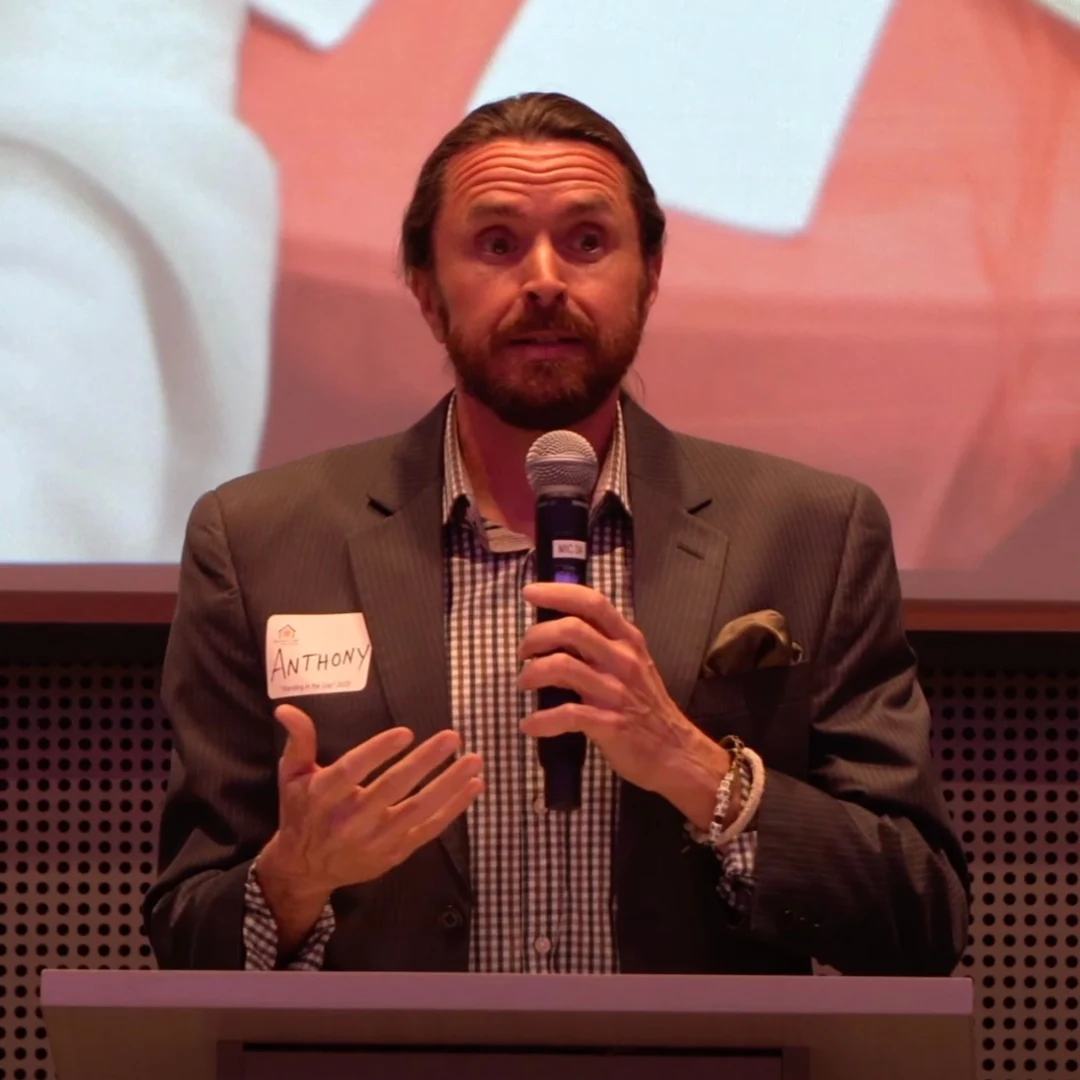
I owe a huge thank you to Anthony Eaton,Executive Director of Recovery Cafe – Valley of the Sun, for allowing me to be part of such a meaningful cause. His leadership and dedication to this community are truly inspiring. Through his hard work, the gala became more than just a fundraiser—it became a platform to amplify voices, share experiences, and inspire action.
Capturing Stories & Insights That Matter
One of the most impactful aspects of the night was the opportunity to interview some of Arizona’s most influential leaders. Each conversation reinforced the importance of organizations like Recovery Cafe and the role they play in transforming lives.
I had the privilege of speaking with Matt Orlando, Councilman for the City of Chandler, and Christine Ellis, Vice Mayor of Chandler. Their passion for community service was evident as they spoke about the city’s efforts to support recovery initiatives. Councilman Orlando shared insights into the policies and programs Chandler has put in place to assist those in need, while Vice Mayor Ellis emphasized the importance of community-based support in making lasting changes.
Another highlight was my interview with Jim Sharpe,the well-known host of Arizona Morning News on KTAR. Jim is a voice that reaches thousands across Arizona, and hearing his thoughts on the importance of recovery and community-based initiatives was truly eye-opening. He spoke about how media plays a crucial role in changing the narrative surrounding addiction and recovery, and I couldn’t agree more. Stories of hope need to be shared, and as a media professional, I feel a deep responsibility to contribute to that cause.
Perhaps one of the most impactful conversations of the night was with Sheriff Jerry Sheridan of Maricopa County. Sheriff Sheridan’s perspective on rehabilitation and reintegration was both insightful and inspiring. He emphasized that true change comes from a combination of law enforcement, community support, and recovery programs. His commitment to finding ways to help individuals re-enter society with dignity and purpose was something that resonated with me deeply.
More than just a fundraiser, this gala was a beacon of hope for people seeking a second chance in life.
Plugged In Recovery Donating Media
At Plugged In Recovery, we believe that storytelling has the power to change lives. That’s why we were more than happy to donate our time and resources to cover this event. From interviews to event highlights, our goal was to capture the heart of the evening so that its impact could extend beyond just those in attendance.
Too often, stories of recovery go unheard. People see the struggles, but they don’t always see the victories. By providing media coverage for this event, we hope to shine a light on the incredible work being done and the lives that are being changed. This is why we do what we do—because every story deserves to be told, and every voice deserves to be heard.
Monument Recovery Donating Funds
Another powerful moment came when I had the opportunity to speak with JP Ketron, CEO of Monument Recovery. Monument was a financial donor for the event, showing their commitment to recovery efforts in Arizona. JP shared his thoughts on why it’s crucial for businesses and organizations to step up and support causes like this.
Plugged In Recovery and Monument Recovery share a common goal: to create pathways for individuals seeking freedom from addiction. Seeing Monument’s support at this event reaffirmed that we’re not alone in this fight. It takes a collective effort to bring about meaningful change, and having allies like Monument makes all the difference.
A Lasting Impact
As the night came to a close, I took a moment to reflect on everything I had witnessed. The conversations, the stories, the shared commitment to recovery—it all left me deeply moved. Recovery Cafe – Valley of the Sun is making a real difference, and being part of this event reinforced my belief in the power of community.
I left the gala feeling inspired and grateful. Grateful for the opportunity to contribute. Grateful for the leaders who are championing this cause. Grateful for organizations like Monument Recovery that understand the importance of support. And most importantly, grateful for the individuals in recovery who remind us that transformation is always possible.
Final Thoughts
Plugged In Recovery is proud to have played a role in this incredible evening. This event was a testament to what can be accomplished when a community comes together for a shared purpose.
A huge thank you again to Anthony Eaton for organizing such a powerful evening, and to all the guests, leaders, and supporters who made it unforgettable.
Our work is far from over, but nights like these remind us why we keep pushing forward.
Get Plugged In & Subscribe to our blog + podcast
If you’re passionate about recovery, be sure to subscribe to the Wellness WireBlog + Podcast.
We regularly feature inspiring stories, expert insights, and valuable resources to help individuals on their journey to wellness. Stay informed, stay inspired, and stay connected by joining our growing community.
Subscribe today and be part of the conversation!
Gallery
Social Media vs. Sobriety: Identifying and Addressing Addiction Transfer
n the realm of substance abuse treatment, a critical yet often overlooked challenge is addiction transfer—the phenomenon where individuals in recovery replace one compulsive behavior with another, such as excessive social media use. As a Marketing Director at a Substance Abuse Treatment Center, it is imperative to understand how social media addiction can undermine recovery efforts and to implement strategies that promote balanced digital consumption.
Understanding Addiction Transfer
Addiction transfer, also known as cross-addiction, occurs when the underlying issues driving one addiction remain unaddressed, leading to the emergence of a new compulsive behavior. In the context of recovery, this can manifest as substituting substance abuse with behaviors that activate similar reward pathways in the brain, such as social media addiction.
The Neuroscience Behind Addiction Transfer
The brain’s reward system, primarily governed by dopamine, plays a pivotal role in addiction. Substance abuse significantly elevates dopamine levels, reinforcing the addictive behavior. Upon cessation, the brain craves this dopamine surge, prompting individuals to seek alternative sources of gratification. Social media platforms are meticulously designed to trigger dopamine release through notifications, likes, and comments, making them potential substitutes for those in recovery.
Social Media as a Substitute Addiction
The ubiquitous nature of social media and its capacity to captivate users render it a prime candidate for addiction transfer. These platforms offer immediate gratification, social validation, and a perceived sense of connection, which can be particularly enticing for individuals seeking to fill the void left by substance cessation.
Signs of Unhealthy Social Media Habits in Recovery
Identifying the indicators of social media addiction is crucial for maintaining sobriety. Key signs include:
Preoccupation with Social Media: Persistent thoughts about or planning to use social media.
Escalating Time Spent Online: Allocating more time to social media than intended, often at the expense of other activities.
Neglect of Responsibilities: Overlooking personal, professional, or academic obligations in favor of social media use.
Withdrawal Symptoms: Experiencing anxiety, irritability, or restlessness when unable to access social media.
Utilizing Social Media for Escapism: Employing social media to evade confronting negative emotions or real-life challenges.
Emotional Dysregulation: Exposure to curated and idealized portrayals of others’ lives can lead to feelings of inadequacy, depression, and anxiety.
Social Isolation: Prioritizing online interactions over face-to-face relationships can result in withdrawal from real-world social engagements.
Exposure to Triggers: Encountering content related to substance use can serve as a trigger, increasing the risk of relapse.
After watching Leslie Coutterand’s TEDxMarin talk on social media addiction, I found myself deeply reflecting on my own relationship with social media—both personally and professionally. As someone who works in digital marketing and in the substance abuse treatment field, this topic resonates with me on multiple levels. Coutterand’s perspective on how social media manipulates our emotions, attention, and self-worth was both eye-opening and validating, as I’ve personally experienced the impact of social media overconsumption and have seen how it affects those in recovery.
Key Takeaways and Personal Reflections
Social Media as a Dopamine-Driven Habit Coutterand discusses how social media triggers dopamine release, creating a reward loop that keeps users coming back for more. This instantly reminded me of addiction transfer, where individuals in recovery replace substance use with compulsive behaviors like endless scrolling, seeking validation through likes, or impulsive content consumption. It reinforced something I’ve been seeing in myself—how easy it is to unconsciously reach for my phone whenever there’s a lull in my day, similar to how I once used alcohol to escape discomfort.
The Illusion of Connection One of the most powerful moments in the talk was when she described how social media addiction gives the illusion of connection while actually making us feel more isolated. This hit hard. As someone who has built strong relationships in the recovery community, I know that true connection happens face-to-face, in shared struggles and real conversations—not through perfectly curated Instagram stories. Yet, social media often makes us feel like we’re engaging, even when we’re just passively consuming content alone.
Comparison Culture and Self-Worth Coutterand’s personal experience with self-worth being tied to social media validation really resonated with me. It’s something I’ve battled myself—comparing my work, success, and even personal milestones to highlight reels of others. It made me realize how unhealthy my relationship with social media has been at times, especially when I let engagement metrics define my sense of accomplishment.
Mindful Use of Technology A major takeaway from the talk was the importance of using social media intentionally rather than letting it use us. Coutterand’s message about digital mindfulness really stuck with me. It’s something I’ve already been working on—setting limits on my screen time, unfollowing accounts that trigger comparison, and prioritizing in-person interactions—but her words reinforced how essential it is to make these habits a priority, not an afterthought.
Developing Mindful Social Media Consumption Habits
To prevent social media addiction from becoming a substitute for substance abuse, it is essential to cultivate mindful usage patterns:
1. Self-Assessment
Begin by evaluating current social media habits. Reflect on questions such as:
How much time is spent on social media daily?
What emotions arise during and after usage?
Is social media addiction interfering with daily responsibilities or relationships?
2. Establish Clear Boundaries
Implement specific guidelines to regulate social media use:
Time Limits: Designate particular time slots for social media engagement and adhere to them.
Device-Free Zones: Create areas in the home, such as bedrooms or dining spaces, where device use is prohibited.
Scheduled Breaks: Incorporate regular intervals throughout the day to disconnect from digital devices.
3. Prioritize In-Person Interactions
Engage in face-to-face activities to foster genuine connections:
Support Groups: Attend local recovery meetings to share experiences and receive support.
Hobbies and Interests: Participate in activities that bring joy and fulfillment, reducing the urge to seek online validation.
Volunteer Work: Contributing to the community can provide a sense of purpose and belonging.
4. Curate the Online Environment
Modify the social media experience to minimize negative impacts:
Unfollow Triggers: Remove or mute accounts that evoke negative emotions or cravings.
Follow Positive Influences: Subscribe to content that inspires, educates, and supports the recovery journey.
Limit Platform Variety: Restrict usage to one or two platforms to reduce the overwhelming nature of social media.
5. Seek Professional Support
If controlling social media addiction becomes challenging, consider consulting a mental health professional. Therapies such as cognitive-behavioral therapy (CBT) can provide tools to manage compulsive behaviors and address underlying issues contributing to social media addiction transfer.
The Role of Social Media in Recovery: A Balanced Perspective
While excessive social media use poses risks, it is important to acknowledge that, when used mindfully, these platforms can offer benefits:
Access to Support Networks: Online communities can provide encouragement, share resources, and offer a sense of camaraderie.
Educational Resources: Numerous accounts and groups share valuable information on coping strategies, relapse prevention, and personal stories of recovery.
Maintaining Connections: Social media can help sustain relationships, especially when geographical distances are a barrier.
The key lies in balancing online engagement with real-world interactions and ensuring that social media serves as a tool for support rather than a source of dependency.
Implementing a Social Media Management Plan
1. Define the Purpose
Clarify the reasons for social media use. Whether it’s staying informed, connecting with loved ones, or seeking support, having a clear purpose can prevent aimless scrolling.
2. Monitor Usage
Utilize built-in tools or third-party applications to track the amount of time spent on social media. Regular monitoring can increase awareness and highlight areas needing adjustment.
3. Establish Accountability
Share social media goals with a trusted friend, family member, or mentor. Regular check-ins can provide support and reinforce commitment to mindful usage.
4. Engage in Digital Detoxes
Periodically disconnecting from social media can rejuvenate the mind and strengthen real-life connections. Start with short durations, such as a day or a weekend, and gradually extend as comfortable.
Conclusion
Navigating the path of sobriety necessitates vigilance, particularly concerning behaviors that can lead to addiction transfer. Social media addiction, while offering numerous benefits, has the potential to become a substitute addiction if not managed mindfully. By recognizing the signs of unhealthy social media habits, establishing clear boundaries, and prioritizing in-person interactions, individuals in recovery can maintain balance and prevent the emergence of new compulsive behaviors. Subscribe to the Wellness Wire!



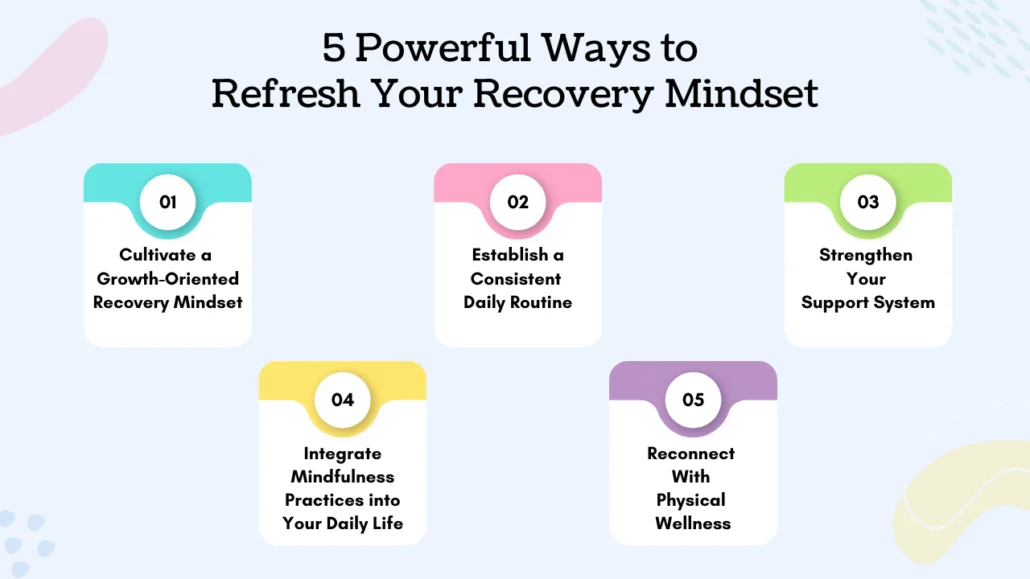


 https://www.linkedin.com/in/ericgparra/