

Spring Forward, Not Backward: 5 Powerful Ways to Refresh Your Recovery Mindset

Spring symbolizes renewal, growth, and fresh starts, making it an ideal season for individuals in recovery to rejuvenate their mindset and strengthen their commitment to sobriety. At our residential treatment center, we emphasize how critical it is to regularly refresh your recovery mindset, especially as we transition into the spring season—a time known universally for hope and new beginnings.
In this article, we’ll explore five impactful strategies to help you revitalize your recovery mindset this spring, enhancing your ability to maintain a healthy, productive, and rewarding recovery journey.
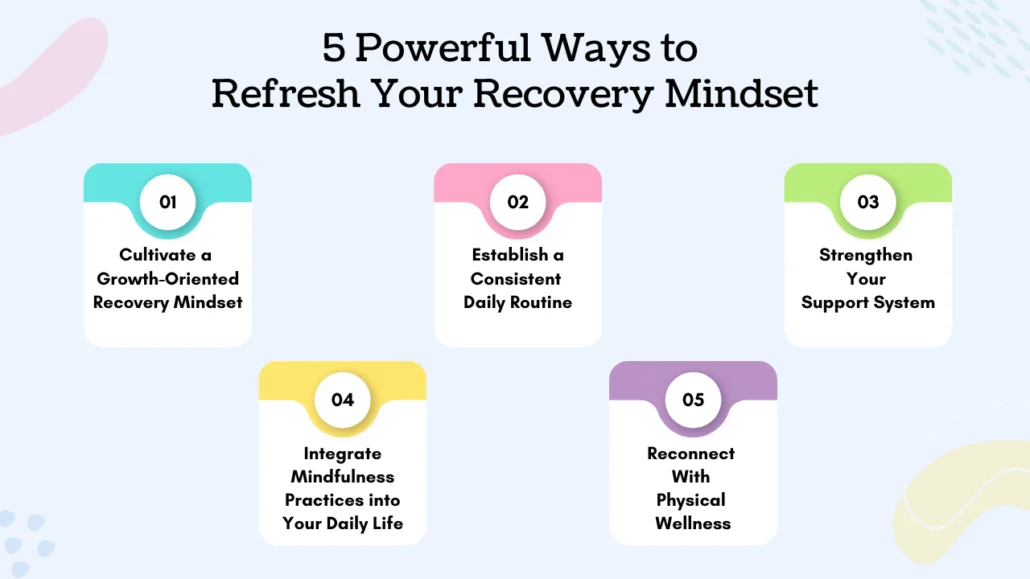
1. – Cultivate a Growth-Oriented Recovery Mindset
Spring is the season of growth, and aligning your recovery mindset with a growth-oriented perspective is transformative. Carol Dweck, author of “Mindset: The New Psychology of Success,” explains that adopting a growth mindset—believing that your abilities and recovery can continually improve through effort and learning—is critical to sustained recovery.
This mindset allows you to embrace setbacks as opportunities for growth rather than viewing them as failures. Just as spring invites renewal and fresh beginnings, nurturing a growth mindset can help your recovery journey blossom into lasting change.
Practical Steps to Cultivate a Growth Mindset in Recovery:
- Challenge Negative Thoughts: Replace negative self-talk with affirmations of strength and possibility, particularly when facing obstacles in your recovery. Journaling regularly can help you recognize patterns of negative thinking and consciously replace them with empowering beliefs.
- Set Incremental Goals: Establish achievable, incremental goals that reinforce the concept of continuous improvement. Small successes can significantly boost your confidence and reinforce your growth-oriented recovery mindset.
- Seek Constructive Feedback: Regularly engage with your therapists, counselors, or support group members who can provide constructive feedback. This interaction fosters accountability and helps you see your growth objectively.
Establish a Consistent Daily Routine – 2.

Consistency and structure are pivotal to maintaining a strong recovery mindset, especially during the spring months when changes in routine might trigger cravings or relapse. According to the SAMHSA, maintaining a structured routine helps individuals in recovery feel grounded and reduces stress and anxiety, both of which are common relapse triggers.
Embracing predictable routines, such as regular exercise or scheduled mindfulness practices, can anchor your recovery during times of seasonal transition. By proactively managing your daily schedule, you empower yourself to confidently navigate periods of uncertainty with resilience and strength.
How to Create a Sustainable Recovery Routine:
- Prioritize Sleep: Aim for 7-9 hours of restful sleep each night. Consistency in sleep patterns is crucial for mental health, emotional stability, and reducing cravings.
- Balanced Nutrition: Implement regular, balanced meals into your daily schedule. Proper nutrition supports overall wellness, aids in mood stabilization, and enhances cognitive function—all vital components of a strong recovery mindset.
- Daily Exercise: Incorporate moderate physical activities like walking, yoga, or cycling into your daily routine. Exercise improves mood, reduces stress, and reinforces physical health, making it a cornerstone of sustainable recovery.
3. – Strengthen Your Support System
Spring is a perfect time to nurture your relationships and strengthen your support network, a key component of maintaining a healthy recovery mindset. The American Addiction Centers emphasize the critical role that a robust support system plays in long-term recovery success. These relationships significantly enhance your ability to manage triggers and stress.
By investing time and energy into your connections during this season of renewal, you not only deepen existing bonds but also cultivate new relationships that fortify your resilience and enhance your overall well-being.

Ways to Strengthen Your Recovery Support System:
- Participate Actively in Support Groups: Whether it’s a 12-step group, SMART Recovery, or an alumni group from your residential treatment center, actively participating helps build relationships with others who understand your journey.
- Enhance Family and Friend Connections: Foster open and honest communication with family and friends. Informing your loved ones about your goals and struggles creates a supportive environment conducive to your ongoing recovery.
- Leverage Professional Support: Regular sessions with therapists or counselors reinforce your recovery mindset by providing professional guidance tailored specifically to your recovery goals and mental health needs.
Integrate Mindfulness Practices – 4.

Mindfulness and meditation practices are incredibly beneficial for individuals in recovery, helping to reduce stress, enhance emotional regulation, and maintain a strong recovery mindset. Spring, with its vibrant renewal of nature, provides a naturally conducive environment for mindfulness practices.
According to Harvard Health Publishing, mindfulness exercises have been proven to positively impact emotional resilience, a key component of long-term recovery. aking mindful walks outdoors or simply spending quiet moments in nature during spring can further amplify these benefits, anchoring your recovery journey in tranquility and growth.
Ways to Strengthen Your Recovery Support System:
- Participate Actively in Support Groups: Whether it’s a 12-step group, SMART Recovery, or an alumni group from your residential treatment center, actively participating helps build relationships with others who understand your journey.
- Enhance Family and Friend Connections: Foster open and honest communication with family and friends. Informing your loved ones about your goals and struggles creates a supportive environment conducive to your ongoing recovery.
- Leverage Professional Support: Regular sessions with therapists or counselors reinforce your recovery mindset by providing professional guidance tailored specifically to your recovery goals and mental health needs.
5. – Reconnect With Physical Wellness
Physical wellness significantly impacts your mental health and recovery mindset. Spring provides excellent opportunities to reconnect with physical wellness through activities that promote health, emotional balance, and stress reduction.
The Mayo Clinic highlights the link between regular physical activity and improved mental health, reduced cravings, and a more positive outlook on life—essential components for sustaining a healthy recovery mindset. Incorporating outdoor activities like hiking, biking, or gardening during spring can invigorate your recovery, reconnecting you to the rejuvenating power of nature.

Physical Activities to Boost Your Recovery Mindset:
- Outdoor Activities: Hiking, biking, or gardening can help you reconnect with nature, reduce stress, and improve your mood, contributing positively to your recovery mindset.
- Group Exercise Classes: Joining yoga, Pilates, or other fitness classes provides social interaction and motivation, further enhancing your overall wellness and recovery journey.
- Personal Wellness Goals: Set manageable and enjoyable physical goals like participating in a community run or setting daily step targets. Achieving these goals reinforces your sense of capability and strengthens your recovery mindset.
My Thoughts: Turning a Tough Season into a Fresh Start
Honestly, this past fall and winter felt like one of the toughest stretches I’ve faced in a long time. I’ve always prided myself on being resilient, adaptable, and capable of multitasking well, but recently, I’ve been navigating intense personal challenges and professional uncertainties that have genuinely shaken my confidence and stability.
Just last week, the emotional instability I’d been experiencing reached a point where it started affecting my work life in a noticeable way. This realization was a serious wake-up call. I recognized that if I didn’t make immediate changes, not just my well-being, but my livelihood itself could be at risk. It became clear that simply riding out this rough patch wasn’t an option—I needed an intentional reset.
One major realization I’ve had is that my desire to succeed professionally can’t be my sole focus. I’ve learned the hard way that balance isn’t just important—it’s essential. If I’m constantly pushing forward without caring for my mental and emotional health, my long-term goals will never come to fruition. Allowing short-term frustrations and setbacks to knock me off track isn’t sustainable, and I’m committed to changing that dynamic.
 https://www.linkedin.com/in/ericgparra/
Eric Parra
Marketing DirectorPlugged In Recovery
I’ve also noticed that my emotional state has worsened as I’ve slacked off on my marathon training. Staying disciplined with my training schedule has always helped keep me grounded, and slipping away from it has clearly impacted my mental and emotional balance. Getting back into my routine and recommitting to my training schedule is now a top priority, not just for my physical health but also for my overall well-being.
This spring represents more than just a change in seasons—it’s genuinely my opportunity to reset, recharge, and step confidently into a renewed commitment to personal and professional growth. I’m genuinely optimistic about what lies ahead, ready to embrace this fresh start and move forward stronger and more focused than ever.
Take Action: Embrace Your Spring of Renewal
Now is your time to embrace these five powerful strategies and refresh your recovery mindset. Whether you’re cultivating a growth-oriented perspective, establishing consistent routines, reconnecting with your support network, practicing mindfulness, or prioritizing your physical wellness, each step brings you closer to lasting recovery and genuine renewal. Remember, spring represents hope, growth, and opportunity—seize this moment to strengthen your commitment to sobriety and build a foundation for a healthier, happier future. Your journey to lasting recovery starts now.
Like this article?
Subscribe to Wellness Wire for more recovery insights!