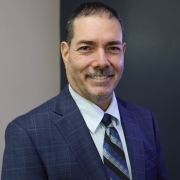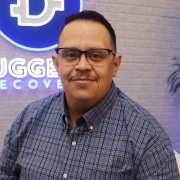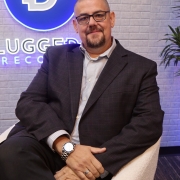
Plugged In Recovery works with patients who need treatment to fit real life. James Currier explains outpatient care in that same spirit. He does not describe recovery as a pause from life, but instead as recovery practiced inside life. His interview stays direct, practical, and grounded in behavior.
He keeps returning to routine, honesty, and follow-through, that makes him the right voice for this topic. Sober community in recovery does not grow from intention alone. It grows from contact, structure, and what patients do after group ends.
Why Sober Community Matters
James never talks about community like an extra, it’s another part of the work itself. In outpatient care, patients still go home each night. They still face stress, boredom, cravings, and long stretches alone.
That is where sober community matters most. It gives people support during the hours that used to feel risky.
- Safe people can break isolation
- Regular contact makes support easier to keep
- Honest feedback helps patients catch problems early
- Shared routine makes recovery feel more real

James Starts With Structure
One of James’s clearest points is about routine. He says, “Structure and routine signal safety to the brain.” That line explains a lot. Early recovery often feels unstable because life has lost its pattern.
James is clear that structure helps replace chaos with something healthier.
- Group days should stay fixed
- Sleep should stay as steady as possible
- Meals should not become optional
- Outside support should be planned ahead
What A Good Week Can Look Like
A good week does not need to look impressive, it just needs to feel steady. For someone in Chandler, Gilbert, or Tempe, that might mean treatment during the week, one outside meeting, one sponsor call, and one habit that stays in place on a hard day.
The goal is not to fill every hour. The goal is to reduce chaos and build something repeatable.
- Set treatment first
- Build work or school around it
- Keep one morning routine simple
- Add one recovery touchpoint after group

Start Small With People
James does not push forced closeness. He is not asking people to walk into a room and say everything. His approach feels more realistic than that. Trust usually grows through repetition, not intensity. Patients feel safer when they come back and see familiar faces. That is often how sober community begins.
- Learn names before sharing everything
- Stay after group for one short conversation
- Talk to one person instead of everyone
- Let trust grow through repeated contact
Integrity Comes Early
James gives one of the strongest lines in the interview when he talks about the first month. He says, “One of the most critical things that a client can learn is the beginning stages of integrity.”
Then he defines it clearly. “Saying you’re going to do something and actually doing it.” That lands because it is plain and true.
- Show up when expected
- Keep the plan you agreed to
- Admit problems before they grow
- Treat small promises like they count
Accountability Should Feel Practical
James does not frame accountability as punishment. He frames it as follow-through. That distinction matters. Good outpatient care should help patients feel grounded, not policed.
Accountability should show people where they are, what they are avoiding, and what still needs support.
That lines up with James’s tone here.
- Communicate changes early
- Stay honest about cravings
- Keep using outside support weekly
- Let someone know when stress rises
Do Recovery Outside Group
James gives the clearest line in the interview when he says, “People confuse talking about recovery with doing recovery.” He follows it with another sharp line. “In outpatient you don’t get credit for being insightful, you get results from repetition.”
That is the heart of this whole article. Sober community in recovery grows when patients start doing different things outside the room.
- Use one coping skill this week
- Call someone before things spiral
- Replace one old habit on purpose
- Measure behavior more than intention
Local Support Makes A Difference
Local support matters because logistics matter, patients are more likely to stay engaged when support fits the map of their life. James points to Phoenix as a place with a large recovery community and strong local connections.
He also mentions a Recovery Cafe close to Chandler. That matters because support becomes easier to use when it is nearby.
- Shorter drives support consistency
- Local recovery spaces reduce friction
- Nearby housing can strengthen routine
- Community grows faster when it is close
Focus On Who You’re Becoming
One of the healthiest shifts in James’s interview is the move away from war stories. He is not interested in group becoming a place for old damage alone.
He wants patients focused on what they are doing now and who they are becoming next. That creates a better foundation for sober community in recovery.
- Build connection around change
- Talk about this week, not only the past
- Let actions shape new identity
- Stay close to people moving forward

Building Support That Lasts
James keeps bringing the topic back to one simple idea. Recovery has to work outside the group room. That is where sober community starts to matter most. It grows through structure, integrity, repetition, and local support. None of that sounds flashy. That is part of why it works.
The habits that keep people steady often look ordinary at first. Then they start changing everything.
- Start with one steady week
- Keep your word more often
- Use support before crisis hits
- Stay connected after treatment hours
Plugged In Recovery Can Help You Feel Like You Again
Whether you’re just starting to question your relationship with substances or you’ve been in the cycle for years, Plugged In Recovery is here to help you break free starting with a simple insurance verification.
With private, resort-style rehab in Scottsdale and outpatient care in Chandler, our team meets you where you are, with respect, expertise, and personalized care that works.
Meet The Author
James brings nearly a decade of experience in the behavioral health field, including five years in executive leadership. With a Master’s in Clinical Mental Health Counseling and a personal journey in recovery, he combines clinical knowledge with lived experience to lead compassionate, client-centered care.
His work is grounded in a strong focus on regulatory compliance, operational efficiency, and data-driven decision-making, helping programs grow while upholding the highest standards of quality. James is dedicated to building systems that drive lasting change for both clients and the programs that support them.
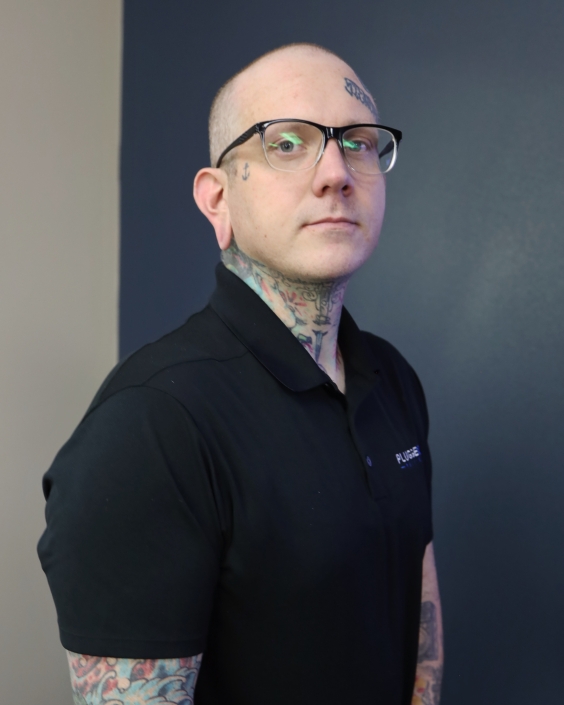
James Currier
Clinical Compliance Coordinator
Plugged In Recovery