When someone enters rehab for substance use, it’s easy to focus only on the addiction. But beneath the surface, another issue is often driving the cycle: anxiety.
According to Laura Zsako, Primary Residential Therapist at Plugged In Recovery in Scottsdale, Arizona, dual diagnosis is more common than most people realize, especially when it comes to anxiety disorders.
“By the time most clients arrive in treatment, anxiety has been part of the story for a long time. It just didn’t get diagnosed because the addiction took the spotlight,” says Laura.
Here’s what anxiety and dual diagnosis really look like in a luxury rehab setting, and why treating both is essential for long-term recovery.
What Is a Dual Diagnosis?
In clinical terms, dual diagnosis means someone has both a substance use disorder and a mental health condition. At Plugged In Recovery, anxiety is one of the most common.
Laura defines it simply:
“Dual diagnosis is when someone is using drugs or alcohol and struggling with things like anxiety, depression, or trauma. The conditions feed each other, and you can’t treat one without addressing the other.”
Why it matters:
- Untreated anxiety can fuel relapse
- Substance use can mask or worsen mental health symptoms
- One condition often triggers or exacerbates the other

How Anxiety Shows Up with Addiction
Sometimes the anxiety comes first. Sometimes it shows up because of substance use. Either way, the connection runs deep.
“When someone says they’re drinking to ‘take the edge off,’ we have to ask, what edge? That’s usually where the anxiety lives,” says Laura.
Common patterns seen in clients with both:
- Drinking or using to calm racing thoughts or social anxiety
- Panic attacks during withdrawal
- Emotional avoidance masked by marijuana or sedatives
- Overthinking or intrusive thoughts that lead to compulsive use
- Guilt and shame after substance use fuel more anxiety
“People come in thinking their issue is drinking. But when we peel back the layers, they’ve actually been in survival mode for years,” Laura explains.
The Red Flags That Anxiety Is Driving the Substance Use
Laura and her team at Plugged In frequently see anxiety hiding underneath substance use. Many clients don’t realize they’ve been self-medicating for years.
Red flags that point to anxiety as the root:
- Needing substances to fall asleep, socialize, or leave the house
- History of perfectionism, overthinking, or avoidance
- GI issues, tight chest, or shakiness when not using
- Panic attacks during detox or early sobriety
- Emotional numbness or “shutting down” under stress
“If someone says, ‘I just can’t shut my brain off’, that’s almost always a clue,” Laura says.

How Anxiety Undermines Treatment Motivation
Anxiety isn’t just uncomfortable; it can block someone’s ability to engage in treatment fully.
“We often see clients who want help but are too anxious to participate,” says Laura. “They shut down in group therapy, they isolate, or they skip meals and avoid connection.”
Ways anxiety disrupts recovery:
- Fear of vulnerability in group therapy
- Hyper-focus on failure, making progress feel impossible
- Avoidance of difficult emotions during therapy
- Trouble sleeping or eating, which impacts energy and mood
- Panic around change, making treatment feel threatening instead of supportive
That’s why Plugged In’s trauma-informed, luxury environment is so essential. When clients feel emotionally safe, they’re more likely to open up and heal.
Panic Attacks vs. Other Anxiety Conditions
One of the first steps in treating dual diagnosis is understanding what kind of anxiety a client is really experiencing.
When someone reports panic attacks, Laura digs deeper:
“I ask, what does it feel like in your body? What happens right before? Is there a trigger? Is it tied to a memory or a thought? That helps us understand if it’s panic disorder, trauma, GAD, or something else.”
What clinicians assess:
- Is this a true panic disorder or trauma flashback?
- Is the client avoiding situations out of fear?
- Is the anxiety constant (GAD) or episodic?
- Are symptoms tied to specific triggers or memories?
At Plugged In, this level of clinical precision helps guide whether the best treatment includes CBT, DBT, EMDR, or medication support.
Plugged In’s Approach to Anxiety and Dual Diagnosis
Plugged In Recovery specializes in treating anxiety and dual diagnosis in a way that’s both evidence-based and deeply compassionate. Our clinicians create individualized care plans that treat the whole person, not just the symptoms.
Our programs combine:
- CBT & DBT: To manage thoughts, behaviors, and emotional responses
- ACT: To build resilience, acceptance, and values-based living
- EMDR & trauma work: For clients with PTSD or unresolved trauma
- Psychiatric services: For medication evaluation and anti-anxiety support
- Holistic healing: Yoga, red light sauna, cold plunge, and more
“When anxiety is in the driver’s seat, our job is to help clients feel safe enough to let go, and stable enough to move forward,” says Laura.

Scottsdale & Chandler Rehab That Treats the Whole You
Plugged In Recovery’s luxury rehab in Phoenix isn’t just about stopping substance use. It’s about healing the deeper layers, especially when anxiety and addiction go hand in hand.
Our Scottsdale residential facility offers 24/7 support in a serene, five-star setting. Our Chandler outpatient center provides flexible care for clients balancing work, school, or family.
For those continuing their journey, our luxury sober living homes provide accountability, comfort, and clinical integration.
Know When to Reach Out
You might need support for anxiety and dual diagnosis if:
- You use substances to calm your mind or body
- You’ve had panic attacks, dread, or emotional numbness
- You avoid therapy or connection because of fear
- You’re stuck in relapse despite wanting to change
- You’re exhausted, overwhelmed, and unsure where to start
You don’t need to figure it out alone. Plugged In Recovery can help you stabilize your anxiety, recover from addiction, and build a life you feel safe living in.
Meet The Author
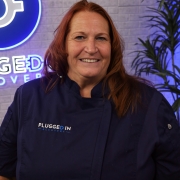
Laura is a therapist with a deep passion for mental health, healing, and recovery. She believes in creating a safe, supportive space where individuals can work through challenges, rediscover their strengths, and reclaim their lives.
Whether you’re navigating trauma, addiction, or emotional overwhelm, she walks alongside you with compassion, structure, and hope. When she’s not in the therapy room, you’ll often find her mountain climbing with her husband, grounded in nature and adventure – a reminder of the strength and balance we all strive for, inside and out.
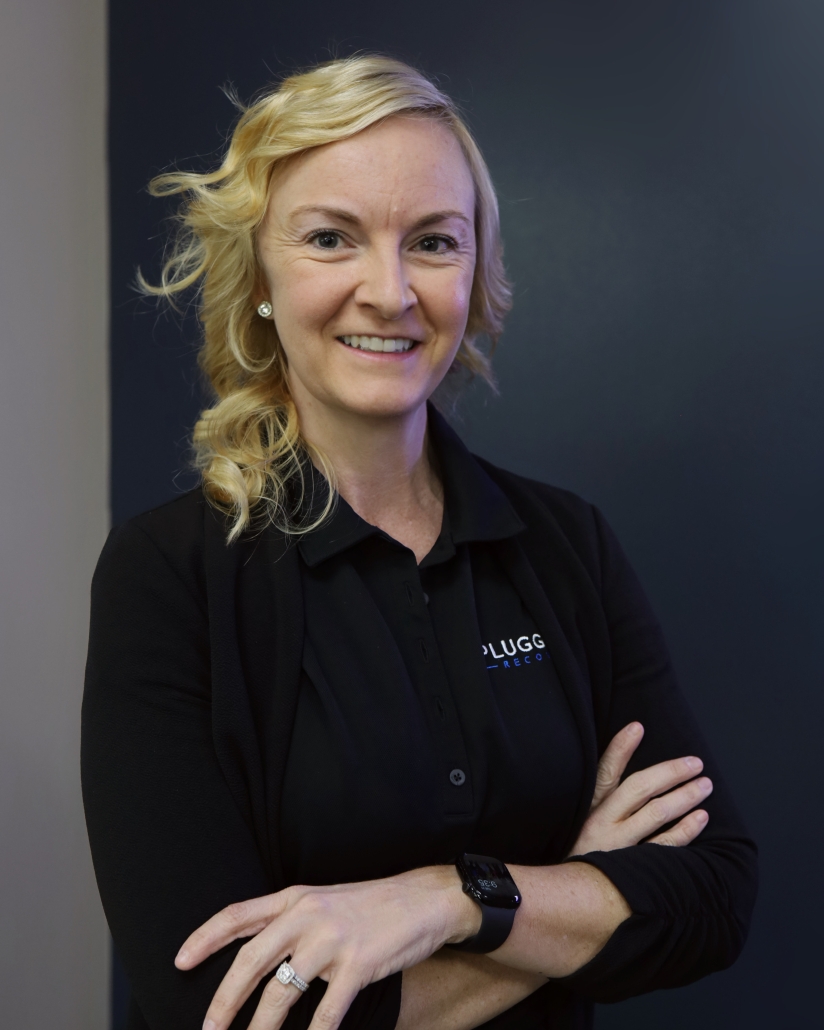
Laura Zsako
Primary Residential Therapist
Plugged In Recovery