
Most of us deal with stress, deadlines, bills, and family dynamics. But how do you know when it’s crossed the line into something more serious, like an anxiety disorder?
According to Laura Zsako, Primary Residential Therapist at Plugged In Recovery, understanding the difference between anxiety vs stress is essential not just for clients, but for families trying to support someone in early recovery.
“Everyone feels overwhelmed at times. But anxiety is when those feelings start to take over your daily life,” says Laura.
Let’s break down what that really looks like, and how to spot the red flags that mean it’s time to get help.
Stress Is a Reaction – Anxiety Is a Pattern
Stress is typically a response to an identifiable situation: a project due at work, a tough conversation, or financial pressure. Once the situation passes, your nervous system resets. You feel relief.
Anxiety doesn’t work that way.
“Anxiety is when your body and mind are reacting like you’re in danger… even when there’s nothing urgent happening,” Laura explains.
This often includes:
- Constant worrying that won’t turn off
- Racing thoughts that keep you up at night
- A sense of dread or feeling “on edge” for no clear reason
It’s not just a moment of stress; it’s an ongoing cycle that interferes with your ability to function.

Stress vs Anxiety: Quick Breakdown
| Feature | Normal Stress | Anxiety Disorder |
| Trigger | Situational (e.g., work deadline) | Often internal, vague, or ongoing |
| Duration | Temporary | Persistent and chronic |
| Physical Symptoms | Tension, fatigue, headache | Chest tightness, nausea, racing heart, GI issues |
| Functionality | Manageable | Impacts daily life and relationships |
| Relief | Improves with rest or resolution | Needs therapeutic or medical support |
When “Normal” Stress Isn’t Normal Anymore
One of the most common misconceptions Laura hears from patients at Plugged In Recovery is that “everyone feels this way.”
“People minimize it. They’ll say, ‘I just have a lot going on,’ or ‘I’m just tired.’ But what they’re describing is actually a full set of anxiety symptoms.”
Common signs of anxiety that get brushed off as stress:
- Digestive issues, like nausea or stomach pain
- Constant fatigue even after resting
- Avoidance of situations or people
- Feeling like your thoughts are spiraling
- Trouble focusing or remembering things
- Tight chest, rapid heart rate, or shallow breathing
“If your system never seems to reset, and you’re stuck in this loop of tension and worry, that’s not just stress,” Laura adds. “It’s your nervous system asking for help.”
Self-Check: Is It Anxiety or Stress?
If you check three or more of the following, anxiety may be playing a bigger role than you think:
- I feel on edge even when things seem “fine”
- I avoid situations or people because of nervousness
- My sleep is poor no matter how tired I am
- I replay conversations or worry about the future constantly
- I get physical symptoms like nausea, tight chest, or racing heart
If this sounds familiar, you’re not alone, and it might be time to talk to someone.
The Phoenix Myth: “I’m Just Hustling”
In places like Phoenix, where the culture often rewards busy schedules and self-reliance, Laura sees a unique trend.
“There’s a lot of pressure here to be self-reliant and productive all the time. People wear stress like a badge of honor,” Laura says. “But that can mask real anxiety for years.”
Many clients at Plugged In arrive believing their symptoms are simply due to their lifestyle. But behind the busy schedules, anxiety often lurks, unnoticed, untreated, and compounding.
“The ‘grind’ isn’t a coping skill. It’s avoidance,” she says. “And avoidance is a huge red flag for underlying anxiety.”
From Burnout to Breakdown: What Triggers Anxiety?
Laura notes that anxiety often builds over time, especially in people navigating addiction, major life transitions, or emotional loss. Common triggers she sees at Plugged In Recovery include:
- Divorce or separation
- Job loss or burnout
- Financial hardship
- Chronic stress at work or home
- Grief and unresolved trauma
- Long-term caregiving or parenting strain
- Isolation, especially post-pandemic
“It’s not always one big trauma; it can be a series of small hits that finally overwhelm the system,” says Laura. “That’s when anxiety becomes unmanageable.”
When Anxiety Fuels Addiction (And Vice Versa)
Anxiety doesn’t just coexist with substance use; it often feeds it.
“A huge number of clients show up thinking the drugs or alcohol are the problem. But when we peel back the layers, there’s usually untreated anxiety underneath,” Laura explains.
People may drink or use to calm racing thoughts, numb dread, or feel socially functional. But over time, the substance makes anxiety worse and can turn into a full-blown addiction.
That’s why Plugged In takes a fully integrated approach: treating anxiety and substance use together, not as separate problems.
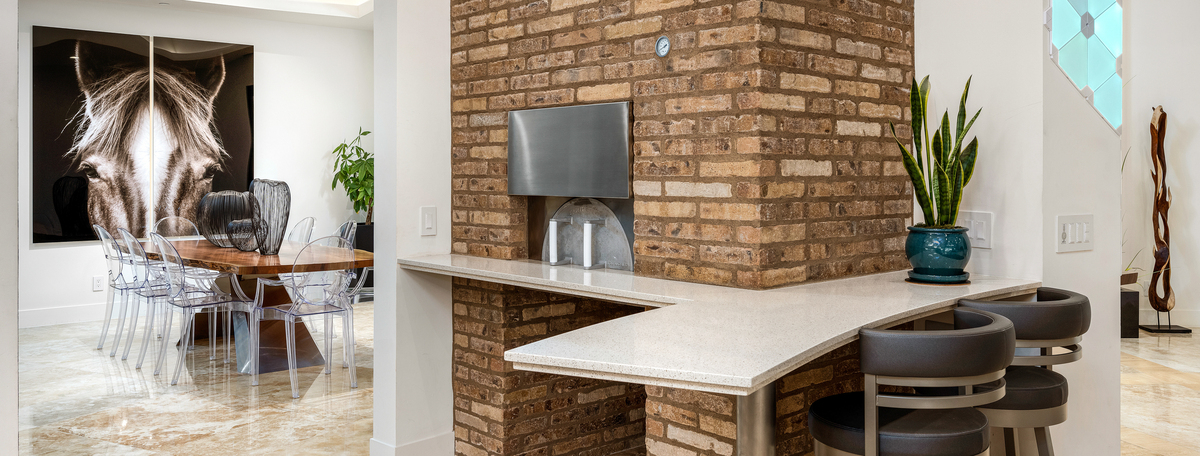
How We Treat Anxiety at Plugged In Recovery
At our luxury rehab centers in Scottsdale and Chandler, we tailor every treatment plan to each client’s emotional, physical, and lifestyle needs.
Our Clinical Approach Includes:
Holistic Therapies That Support Nervous System Healing:
- Yoga, meditation, and breathwork
- Massage therapy & acupuncture
- Red light sauna & cold plunge
- Nutritional counseling & IV therapy
- Private rooms, chef-prepared meals & serene outdoor spaces
“You can’t out-think anxiety when your body is in fight-or-flight,” Laura says. “We create an environment where your system can finally feel safe.”

When to Seek Treatment for Anxiety
You might need professional help if:
- Your stress never truly goes away
- You rely on substances to cope with nerves
- You’ve noticed physical symptoms with no medical cause
- Your anxiety is hurting your relationships or job performance
- You feel emotionally reactive, detached, or exhausted all the time
Our luxury rehab programs in Phoenix are built for precisely this type of healing. Whether you need full-time residential care or flexible outpatient support, Plugged In Recovery provides a path forward.
What Makes Plugged In Different
- Private rooms with luxury amenities for real rest and privacy
- Scottsdale & Chandler locations for residential and outpatient options
- Licensed clinical team trained in evidence-based therapies for anxiety
- Same-day admissions and insurance verification to make care accessible
- Whole-person support for mental, emotional, and physical healing in one place
When to Reach Out
If stress is no longer temporary, and it’s starting to shape how you eat, sleep, think, or function, it’s time to reach out. You don’t have to wait until it’s a crisis.
Plugged In Recovery offers luxury treatment programs that support both addiction and mental health challenges, including anxiety disorders. We’re here to help you feel grounded, understood, and supported every step of the way.
Meet The Author
Laura is a therapist with a deep passion for mental health, healing, and recovery. She believes in creating a safe, supportive space where individuals can work through challenges, rediscover their strengths, and reclaim their lives.
Whether you’re navigating trauma, addiction, or emotional overwhelm, she walks alongside you with compassion, structure, and hope. When she’s not in the therapy room, you’ll often find her mountain climbing with her husband, grounded in nature and adventure – a reminder of the strength and balance we all strive for, inside and out.

Laura Zsako
Primary Residential Therapist
Plugged In Recovery