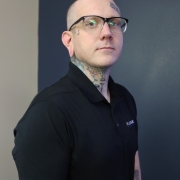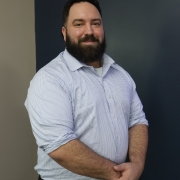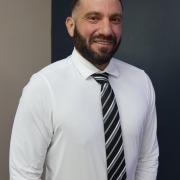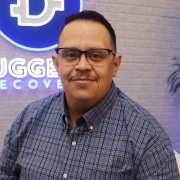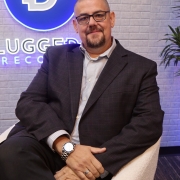
At Plugged In Recovery, James Currier, Clinical Compliance Coordinator, meets people who want treatment that fits real life, not a perfect calendar. Many clients need evening IOP because they work full time, raise kids, or manage school schedules.
Others do better with daytime structure. This guide explains how clinicians choose between day and evening tracks, what IOP Chandler what to expect looks like in your first week, and how the outpatient intake process reduces guesswork. You will also learn why small groups change engagement and why one habit matters most in the first 30 days.
What Evening IOP Means In Real Life
Brianna Perone, Director of Outpatient Services, defines outpatient in a way that matches working schedules, “Outpatient is a place of treatment to be able to work on their recovery while also in their day-to-day of their normal lives.” James frames it clinically, “Outpatient is the integration of treatment into outside life… managing external stressors that are still going on, but being in treatment for the support.”
That definition matters in outpatient treatment Chandler AZ, because you do not pause life. You learn how to stay steady while life keeps moving.
- You attend structured programming on set days and times
- You practice skills between sessions while triggers still exist
You build routines that hold up during work stress, parenting demands, and conflict

Day Vs Evening IOP, How Clinicians Choose
Clinicians do not pick schedules based on convenience alone. They look at stability, relapse risk, and the client’s ability to follow through when pressure hits.
Brianna explains that scheduling flexibility exists, but clinical need comes first. She shared a common example in the interview, a client may request evenings to keep working, but daily drinking can push the recommendation toward more structure.
James also links structure to brain recovery, “The brain craves and operates off of predictability.” That matters when you choose evening IOP, because the schedule must feel repeatable, not chaotic.
- Day IOP often fits people who can pause daytime work, take leave, or schedule around school hours
- Evening IOP often fits people who need to work during the day, cover childcare, or manage classes
The right choice depends on which schedule you can follow consistently for several weeks

Why Small Groups Matter For Outcomes And Engagement
People often ask whether group size really matters. James answered that directly, “Clinically it’s suggested to have groups no larger than 12, because you have to create an intimate group setting where everybody’s going to have the opportunity to speak.” He added that larger groups change the dynamic, “Large groups basically turn into everybody competing for a small amount of time.”
When people search IOP Chandler what to expect, they often worry about feeling lost in a room full of strangers. Small groups reduce that friction.
James explained why engagement rises in smaller settings, “Rapport equals higher engagement. Higher engagement equals higher insight.” He also pointed to peer value, clients gain insight from facilitators and from people living the same week at the same time.
- Small groups increase speaking time and reduce hiding
- Rapport builds faster, which supports retention
- Peer feedback lands better when the room feels safe
Brianna reinforced the retention benefit, clients do not get lost in the mix, staff know them, and “retention is key in outpatient because the longer they’re here the higher the success is.”

How Scheduling Works For Work, School, And Parenting
In outpatient treatment Chandler AZ, scheduling needs to match real constraints. Brianna described multiple schedule options, including evenings, and she emphasized that the team considers work availability, childcare, and school demands. She also noted that case management can help clients navigate leave options, documentation, and planning when clinical need requires more than a light schedule.
James described the practical reality of outpatient. Clients still have access to stressors, money, conflict, and old habits. That is why schedule planning needs honesty, not optimism.
- The team looks at daily responsibilities, commute time, and relapse risk windows
- The plan considers childcare handoffs, shift work, and school blocks
The schedule must support repetition, not perfect motivation
What To Expect In Your First Week
Brianna described week one clearly, “First week is really staff gaining rapport with the client. Learning about what brought them into treatment, identifying their treatment plans and their treatment goals.” She also included the emotional reality, “This is also an uncomfortable process; however, giving a little trust in the process will get them to accomplish their end goals.”
That first week matters for anyone entering evening IOP, because nervousness can collide with fatigue from a long workday. The program reduces uncertainty by making the structure predictable.
- Staff builds rapport and learns what brought you in
- You learn the schedule, expectations, and how groups run
- You begin goal setting and start adjusting your weekly routine
For many clients, week one feels like orientation plus stabilization, not instant transformation.
How The Outpatient Intake Process Reduces Uncertainty
People often want to know what happens before the first group. The outpatient intake process exists to reduce guesswork and match you to the right intensity. Brianna described assessment-led decisions in the interview, if the clinical team believes you need a higher level of care, they do not dismiss you. They explain why, walk through options, and help connect you to the next step.
- The team assesses safety, stability, and level of care fit
- Scheduling gets matched to clinical need, not preference alone
The plan accounts for housing stability and mental health stability
The Most Important Habit In The First 30 Days
James answered this without hesitation, “One of the most critical things that a client can learn is the beginning stages of integrity, right, saying you’re going to do something and actually doing it.” He explained why it matters early, “Integrity is key. It’s the first thing lost in addiction and it’s the most challenging thing to earn in recovery.”
That habit decides whether evening IOP works. Evening schedules support busy lives, but they only work when clients follow through after long days.
- Show up even when motivation drops
- Communicate instead of disappearing
- Practice skills outside group, not only talk about them
If you want a therapy framework that supports follow-through, Plugged In’s CBT overview at connects thought patterns to behavior change.
How Luxury Rehab Fits Into The Schedule Conversation
Some clients start with a higher level of care, then step down into outpatient. Plugged In offers luxury rehab options in the Phoenix area, including residential treatment and luxury sober living, which can create a protected environment before clients transition into outpatient treatment Chandler AZ. That step-down path often helps when stability needs time before real-world exposure.
- Residential care can stabilize sleep, mood, and routines first
- Outpatient then integrates skills into work, school, and family life
Luxury sober living can support structure when home is not stable
Plugged In Recovery Can Help You Feel Like You Again
Whether you’re just starting to question your relationship with substances or you’ve been in the cycle for years, Plugged In Recovery is here to help you break free.
With private, resort-style rehab in Scottsdale and outpatient care in Chandler, our team meets you where you are, with respect, expertise, and personalized care that works
Meet The Author
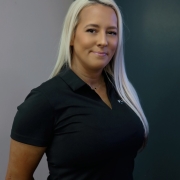
Brianna Perone serves as the Director of Outpatient Services at Plugged In Recovery, bringing over eight years of experience in the behavioral health field and nine years in personal recovery. Her career began as a Behavioral Health Technician and evolved through roles in case management and operations, giving her a well-rounded perspective on client care and program development.
With a deep passion for helping others, Brianna blends her professional expertise and personal recovery journey to lead with compassion, integrity, and purpose. She is dedicated to creating a supportive and empowering environment for individuals seeking recovery from addiction and mental health challenges.

Brianna Perone
Director of Outpatient Services
Plugged In Recovery