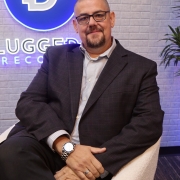
At Plugged In Recovery, James Currier, Clinical Compliance Coordinator, hears the same complaint from outpatient clients, cravings rarely show up as a neat urge. They hit as overwhelm, anger, anxiety, shame, boredom, and loneliness. That reality shapes how Plugged In teaches DBT skills for cravings in Chandler and across the Phoenix area.
Clients still go to work, manage parenting demands, and deal with real triggers between sessions. This post uses James’s interview language as the backbone and shows what happens in session, how mindfulness stays practical, and how relapse prevention planning works when life still feels chaotic.
Why DBT Skills For Cravings Fit Outpatient Life
Outpatient clients do not live in a protected bubble. They still have access to substances, conflict, money stress, and impulsive environments. James explains why DBT fits that reality, “DBT is one of the most useful things we use because cravings aren’t just cravings. A lot of cravings really are overwhelm, anger, anxiety, shame, boredom, or loneliness.” He says the clinical goal out loud, “We’re basically teaching clients how to stop using substances as emotional regulation.”
This is why DBT skills for cravings often matter before deeper insight work lands. Clients need a next step they can take when the nervous system turns loud.

The DBT Skills Clients Use When Cravings Turn Into Spirals
James keeps the skill list concrete. He calls out the tools that show up in real outpatient weeks, “The biggest DBT hitters for outpatient are the STOP method, pause the spiral before it turns into behavior, distress tolerance, opposite action, PLEASE skills, like sleeping, eating, movement, basic stability.” Then he adds the part clients resist, “People hate how much this matters, but it matters.” He also names a skill that sounds simple but changes everything, “Emotion naming.”
DBT skills for cravings work because they interrupt the moment where emotion becomes behavior.
Skills clients reach for first
- STOP, pause, breathe, choose a next step before action
- Distress tolerance, ride the wave without escape
- Opposite action, do the helpful thing even when the emotion demands the harmful thing
- PLEASE skills, protect sleep, food, movement, and health basics
- Emotion naming, turn vague pressure into a specific target
Mindfulness Relapse Prevention Without The Fake Calm
Clients often reject mindfulness because someone sold it as instant peace. James names that problem directly, “A lot of clients hate mindfulness because it gets taught in a way that feels fake, like just breathe and be present. Meanwhile their brain is screaming.” He teaches it differently, “Mindfulness isn’t about being calm. It’s not about being in control. It’s awareness without reacting, and that’s it.”
That definition makes mindfulness relapse prevention usable. It does not ask clients to feel better. It asks them to notice without obeying.
James explains how he uses it in outpatient, “Notice cravings without obeying them, notice thoughts without chasing them, notice body sensations without panicking, and slowing impulsive behavior down by 10 seconds.” He adds the tone clients need, “We don’t try to turn the clients into monks here. We’re just trying to help them stop living on autopilot.”
Ways clients practice mindfulness relapse prevention
- Label the craving as a wave, not a command
- Notice the thought, then let it pass without building a plan
- Track body cues, then use grounding instead of panic
- Create a 10 second gap, then choose a DBT skill

Relapse Prevention Planning When Life Still Feels Chaotic
DBT skills for cravings work best when the client also has a realistic plan for the week. James explains why many relapse plans fail, “This is where relapse prevention plans fail. They assume people have peaceful lives and supportive families.” He describes what outpatient clients actually face, “A lot of our clients are still living in conflict, instability, boredom, financial stress, access to substances, and impulsive environments.”
So the plan has to match reality. James says, “Our relapse prevention isn’t avoid triggers, because that’s not realistic. We plan for exposure, stress, conflict, being uncomfortable, being bored, being alone, and being around people who use.”
That planning style turns DBT skills for cravings into a repeatable response system.
Questions James uses to make relapse prevention behavioral
- What are your top three relapse situations
- What is your first warning sign that you’re drifting
- What do you do in the first 30 minutes of a craving
- Who do you contact and what do you say
- What boundaries are you setting and what happens if people push back
James sums it up, “Relapse prevention has to be behavioral. It’s not a speech, it’s a strategy.”

How DBT Works With CBT And Motivational Interviewing In Outpatient
Clients rarely need one tool. They need a stack of tools that covers different moments.
DBT handles the emotion wave. CBT handles the thought loop. James describes CBT’s role in outpatient, “It helps clients stop treating every thought like it’s a fact.” He also clarifies the target, “What we target isn’t positive thinking, it’s the thoughts that create relapse permission and thoughts that kill follow-through.”
Motivational interviewing supports attendance when a client feels split. James explains why motivational interviewing outpatient matters, “Outpatient is where people still have access to everything.” He lists the access points, “They have access to substances, toxic relationships, chaos, money, stress, their phone, their old habits.” Then he explains MI’s job, “The goal isn’t to convince people, it’s to pull out what they already know but avoid thinking about.”
How the methods work together in real life
- DBT skills for relapse prevention keep cravings from becoming behavior
- CBT for addiction outpatient keeps thoughts from becoming permission
- Motivational interviewing outpatient keeps clients engaged when motivation fades
- Mindfulness relapse prevention creates enough space to choose a skill
How Luxury Rehab Supports DBT Skill Use After Stabilization
Some clients need a protected environment before outpatient skills stick. Plugged In’s luxury rehab in Scottsdale can stabilize sleep, routine, and acute stress before clients step down and practice DBT skills for cravings in real life. The residential program overview sits at
Clients often ask for cravings to disappear. DBT aims for a different win, cravings stop turning into behavior. Mindfulness relapse prevention adds the pause. Relapse planning adds the map. The client builds a repeatable response.
Markers that show the skills are working
- Cravings show up, and the client uses STOP before action
- Emotions get names, and shame stops driving secrecy
- Sleep and routine improve through PLEASE skills
- The first 30 minutes of a craving follow a plan, not impulse
Plugged In Recovery Can Help You Feel Like You Again
Whether you’re just starting to question your relationship with substances or you’ve been in the cycle for years, Plugged In Recovery is here to help you break free.
With private, resort-style rehab in Scottsdale and outpatient care in Chandler, our team meets you where you are, with respect, expertise, and personalized care that works.
“Anxiety doesn’t have to run the show,” Laura says. “And you don’t have to figure it out alone.”
Meet The Author
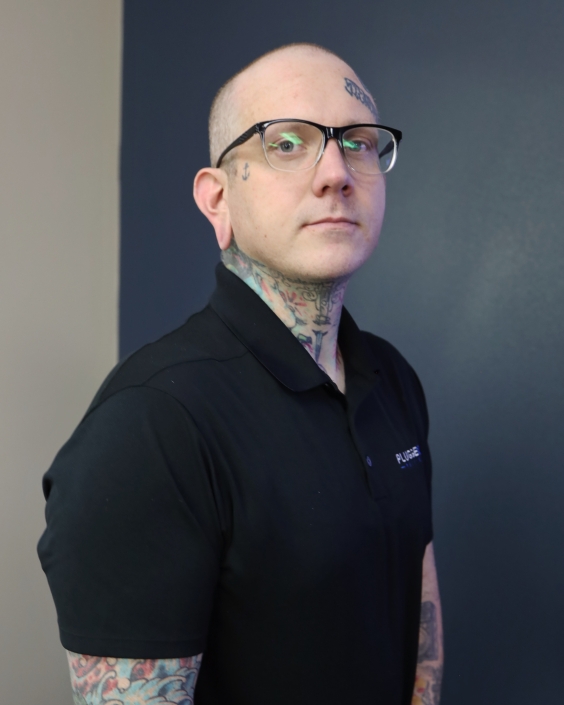
James brings nearly a decade of experience in the behavioral health field, including five years in executive leadership. With a Master’s in Clinical Mental Health Counseling and a personal journey in recovery, he combines clinical knowledge with lived experience to lead compassionate, client-centered care.
His work is grounded in a strong focus on regulatory compliance, operational efficiency, and data-driven decision-making, helping programs grow while upholding the highest standards of quality. James is dedicated to building systems that drive lasting change for both clients and the programs that support them.
James Currier
Clinical Compliance Coordinator
Plugged In Recovery