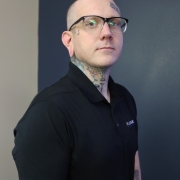
At Plugged In Recovery, James Currier, Clinical Compliance Coordinator, works with clients whose substance use and mental health symptoms move together, not separately. People searching dual diagnosis outpatient often want a simple answer, but the day-to-day reality looks more complex than a checklist.
Anxiety can spike cravings. Depression can erase follow-through. Trauma can turn “relapse prevention” into something too logical to work in the moment. James and the outpatient team explain what dual diagnosis looks like in outpatient care across Phoenix and Chandler, and how trauma-informed practice, therapy, and medication coordination support stability.
What Dual Diagnosis Looks Like In Outpatient Day To Day
James describes dual diagnosis in a way that cuts through the usual marketing language, “Dual diagnosis in outpatient is messy. It’s not two separate problems sitting politely next to each other, it’s one problem feeding the other all day long.”
When clients walk in, “Clients coming in saying they’re fine but they’re sleeping horribly, anxious for no reason, agitated with everyone, overwhelmed by normal life, and then shocked that they’re craving again.”
This is the core of dual diagnosis outpatient work. You do not treat addiction first and mental health later. Let’s call out that mistake directly, “A lot of places treat addiction like the main issue and mental health is like a side quest. We don’t do that because for most people substances weren’t the real problem, they were the solution the brain found. A bad solution, but a solution nonetheless.”
That framework matters for people searching dual diagnosis outpatient Phoenix because outpatient asks clients to practice stability while life keeps moving. Work stress, family conflict, and sleep disruption still show up. Outpatient treatment has to address the pattern that keeps needing escape.
- Anxiety can look like restlessness, irritability, and panic that turns into relapse permission
- Depression can look like withdrawal from people, “I’m just tired,” and quitting on routines
- Trauma can look like flooding, dissociation, and a nervous system that treats normal conflict as danger
- Bipolar symptoms can complicate sleep and impulsivity, which can raise relapse risk in outpatient settings

Trauma Informed Groups Without Flooding Clients
People sometimes misunderstand trauma-informed care as trauma sharing. James rejects that model because it destabilizes clients, “Trauma-informed doesn’t mean everyone share your trauma story.
That’s how you destabilize people and turn groups into chaos.” He explains what the outpatient approach focuses on instead, “We keep groups trauma-informed by focusing on the nervous system, grounding, boundaries, safety, triggers and responses, and how the brain stores survival reactions.”
That trauma-informed focus supports people looking for trauma and addiction outpatient care because it teaches stabilization skills that work in real time. James draws a clear boundary, “We’re not here to reopen wounds in front of a group of people. We’re here to teach clients how to stop trauma symptoms from driving relapse or destructive behavior.”
In outpatient, that approach protects clients who already feel exposed. Triggers still exist outside treatment. Clients still go home, go to work, see family, and scroll phones that can activate memories and cravings.
- Trauma-informed groups teach stabilization skills instead of encouraging disclosure
- Grounding keeps clients connected to the present instead of pulled into flashback state
- Boundaries reduce conflict, shame spirals, and people pleasing patterns that drive relapse
- Safety skills help clients recognize when the nervous system takes over
Coordinating Therapy And Medication Management In Outpatient Care
Dual diagnosis care works best when a team tracks symptoms and behavior together. James describes how Plugged In frames medication, “We don’t treat medication as either the magic fix or the enemy. Medication can absolutely help stabilize the floor, sleep, anxiety, mood swings, panic, and depression severity. But meds don’t rewire behavior.”
That point matters for depression and addiction treatment Chandler searches because medication may reduce intensity, but it does not build follow-through or repair routines. James explains what clients often miss, “If meds reduce symptoms but clients don’t build structure, boundaries, coping skills, and follow-through, the relapse pattern stays alive.”
In outpatient, the coordination stays continuous. James describes the lens as functioning plus compliance plus behavior, “So the coordination is constant, symptoms plus behavior plus compliance plus functioning, not just how you feel.”
This is where outpatient care differs from weekly therapy alone. Outpatient includes group learning, individual therapy application, and practical planning, while the clinical team monitors stability metrics and adjusts support.
- Therapy targets the thinking and behavioral patterns that keep needing escape
- Medication support can stabilize sleep and mood so therapy can land
- The team tracks changes in functioning, not only reported mood
- The plan adjusts when sleep collapses or mood volatility rises

Progress Markers That Matter Most For Dual Diagnosis Clients
Progress in dual diagnosis outpatient care rarely looks like constant happiness. James makes that point directly, “A lot of progress isn’t I’m happy, it’s I’m stable.” He then lists what stability looks like in real life, “Progress looks like showing up even when their mood is low, not isolating when shame hits, cravings not turning into behavior, fewer emotional spirals, better sleep consistency, less all-or-nothing thinking, and fewer crisis moments.”
He also gives a marker that matters in outpatient specifically, “One of the biggest markers is when clients say I’m having a rough day and I’m still staying in the work. That’s the brain rewiring itself.”
Those markers connect directly to co-occurring intent searches like bipolar and substance use outpatient because outpatient requires daily decision-making in the presence of symptoms. Stability shows up when routines hold under pressure, not when symptoms never appear.
- Consistent attendance even when mood drops
- Fewer isolation patterns when shame or anxiety hits
- Improved sleep consistency and less volatility
- Reduced crisis behavior and fewer impulsive spirals
- Cravings that do not convert into behavior
- Ability to name emotions and use coping skills instead of escaping
Why Dual Diagnosis Outpatient Works Best With Structure And Real Life Practice
James explains that many clients used substances as a functional solution to internal distress. Outpatient has to replace that solution with skills that work in real time. That is why trauma-informed stabilization, therapy, and medication coordination matter together.
When outpatient care matches the right level of stability, clients can practice skills in the same environments where relapse used to happen. That practice matters for people searching dual diagnosis outpatient Phoenix because external stressors often stay present during treatment.
- Outpatient treats the brain pattern that keeps needing escape
- Trauma-informed groups teach stabilization without flooding clients
- Therapy personalizes skills into action for real triggers
- Medication can stabilize the floor so behavior change becomes possible
How Luxury Rehab Fits The Dual Diagnosis Conversation
Some clients need a higher level of structure before outpatient becomes safe and effective. Plugged In offers luxury rehab options in the Phoenix area, including residential treatment and luxury sober living. That path can support dual diagnosis clients when symptoms and relapse risk require a protected environment first.
Residential care can provide a stabilized setting for sleep, mood, and routine, then clients can step down into outpatient for real-world integration. Outpatient then becomes the practice field, not the place where chaos stays unchecked.
Building Stability That Holds Under Pressure
Dual diagnosis outpatient care works when the plan targets stability metrics and behavior change, not only insight. James describes the goal as preventing anxiety, depression, and trauma symptoms from turning into relapse permission. That is why the team emphasizes routine, structure, and skill repetition.
- Stability matters more than mood
- Skills have to show up under stress, not only in a calm room
- The team coordinates symptoms, behavior, compliance, and functioning
- Progress shows up as follow-through during hard days
Plugged In Recovery Can Help You Feel Like You Again
Whether you’re just starting to question your relationship with substances or you’ve been in the cycle for years, Plugged In Recovery is here to help you break free.
With private, resort-style rehab in Scottsdale and outpatient care in Chandler, our team meets you where you are, with respect, expertise, and personalized care that works
Meet The Author
Brianna Perone serves as the Director of Outpatient Services at Plugged In Recovery, bringing over eight years of experience in the behavioral health field and nine years in personal recovery. Her career began as a Behavioral Health Technician and evolved through roles in case management and operations, giving her a well-rounded perspective on client care and program development.
With a deep passion for helping others, Brianna blends her professional expertise and personal recovery journey to lead with compassion, integrity, and purpose. She is dedicated to creating a supportive and empowering environment for individuals seeking recovery from addiction and mental health challenges.

Brianna Perone
Director of Outpatient Services
Plugged In Recovery