At Plugged In Recovery, people often come in asking a version of the same question. They want to know whether trauma work belongs in outpatient rehab, whether EMDR will help, and whether starting deep therapy too soon could backfire. That is a fair question. It is also one that deserves a more honest answer than most treatment marketing gives.
For this article, I wanted Brianna Perone, our Director of Outpatient Services, to be the voice I return to most because she stays grounded in what clients actually face once treatment starts. Her perspective is practical, direct, and rooted in how recovery has to work in real life.
Trauma Work Needs Timing
EMDR is available across multiple levels of care, including outpatient, for trauma, PTSD, grief, anxiety, and substance use patterns linked to unresolved trauma. That matters, but availability is not the same as readiness.
A therapy can be clinically strong and still be badly timed.EMDR can be a great tool, but many programs do not say clearly enough, “EMDR early in recovery can be clinically unsafe if the client’s coping skills aren’t developed into habits yet.”
- EMDR can help people process traumatic memories
- EMDR is not automatically the right first move in early recovery
- Timing matters as much as modality
- The goal is safe progress, not fast progress

What Comes First
Before trauma processing, I want to know whether a person can stay grounded when stress spikes, sleep drops, or cravings hit.
The structure for outpatient treatment is clear, daytime and evening groups, individual counseling, case management, relapse prevention planning, and support for co-occurring mental health conditions.
- Early outpatient often starts with routine, honesty, and follow-through
- Stabilization is not lesser work
- Present-focused care can reduce chaos enough for deeper work later
- The first target is felt safety

When EMDR Fits
So when is EMDR outpatient Phoenix actually a good fit. In my conversation with Brianna, I answered that directly.
I said we look for meaningful stability and sobriety, consistent participation in treatment, emotional regulation skills that work under pressure, minimal crisis behavior, and a clear support plan outside sessions.
That is the threshold I care about most.
- EMDR may fit when coping skills are more than ideas
- EMDR may fit when the person can stay grounded during and after sessions
- EMDR may fit when outpatient support is steady across the week
- Readiness depends on real regulation

When It Does Not
The more important question is often when EMDR does not fit yet. If someone is dissociating often, sleeping poorly, reacting hard to small stressors, or living in constant instability, I do not see trauma processing as the first step. I see stabilization as the first step.
The same principle shows up in a broader way, the right level of care depends on stability, housing, structure, and the ability to use treatment safely.
- EMDR does not fit just because it sounds effective
- EMDR does not fit just because someone wants fast relief
- EMDR does not fit when coping skills collapse under pressure
- The wrong timing can create more dysregulation
What Session Work Uses
A lot of people hear therapy method names and do not know what actually happens in session. That confusion is part of why search terms like CBT for addiction outpatient, DBT skills for relapse prevention, motivational interviewing outpatient, and mindfulness relapse prevention keep showing up.
Mindfulness is awareness without reacting, not some fake calm performance. Those are not buzzwords to me. They are tools that help people function long enough to build change.
- CBT targets distorted thinking and relapse permission
- DBT helps with urges, shame, overwhelm, and impulsive behavior
- Motivational interviewing helps when one part wants recovery and one part wants relief
- Mindfulness slows autopilot and builds response space
When Life Stays Chaotic
Relapse prevention planning gets more honest when we stop pretending life is calm. This is where many plans fail. They assume peaceful families, easy schedules, and supportive environments. A lot of our clients do not have that.
They are still living with conflict, boredom, financial stress, access to substances, and impulsive environments. That means relapse prevention has to be built for exposure, not fantasy.
Research supports the importance of ongoing, structured care here. Continuing care models for substance use treatment are associated with better outcomes over time, especially when care extends for several months instead of ending once early treatment is over.
- We ask about top relapse situations, not generic triggers
- We plan for the first 30 minutes of a craving
- We identify who gets contacted and what gets said
- We look at boundaries before chaos hits
Keeping Groups Useful
One of the biggest concerns people have about outpatient is whether groups turn into people just sharing stories and going home unchanged. I do not want that either. The emphasis is on structure, fit, and what the program actually asks of someone before they start. That matches how I think about groups. They should move people toward action.
That is why practical groups matter. They should teach clients what pattern they are repeating, what behavior they are changing this week, and what coping skill they will use when cravings hit.
- Good groups teach skills and repetition
- Good groups interrupt trauma competition and story loops
- Good groups connect insight to a behavior change this week
- Practical structure builds real momentum
What I Want Readers To Know
If you are searching EMDR outpatient care in Phoenix, I want you to leave with something more useful than hype. EMDR is not something I dismiss, I believe in it. I also believe bad timing can make good therapy unsafe. That is not anti-trauma work. It is trauma-informed care.
Brianna’s answers kept circling back to the same things for a reason, structure, accountability, rapport, and helping people adjust to a routine they can actually hold. My answers kept circling back to a related point, skills have to become habits before they protect you under stress.
Put those two ideas together and the path gets clearer. Use outpatient to build the stability that makes trauma work productive, not performative.
- Ask whether you are stable enough, not just interested enough
- Ask whether your coping skills hold up outside the office
- Ask whether your treatment plan matches your real life
- The best care builds timing and trust
Plugged In Recovery Can Help You Feel Like You Again
Whether you’re just starting to question your relationship with substances or you’ve been in the cycle for years, Plugged In Recovery is here to help you break free starting with a simple insurance verification.
With private, resort-style rehab in Scottsdale and outpatient care in Chandler, our team meets you where you are, with respect, expertise, and personalized care that works.
Meet The Author
James brings nearly a decade of experience in the behavioral health field, including five years in executive leadership. With a Master’s in Clinical Mental Health Counseling and a personal journey in recovery, he combines clinical knowledge with lived experience to lead compassionate, client-centered care.
His work is grounded in a strong focus on regulatory compliance, operational efficiency, and data-driven decision-making, helping programs grow while upholding the highest standards of quality. James is dedicated to building systems that drive lasting change for both clients and the programs that support them.
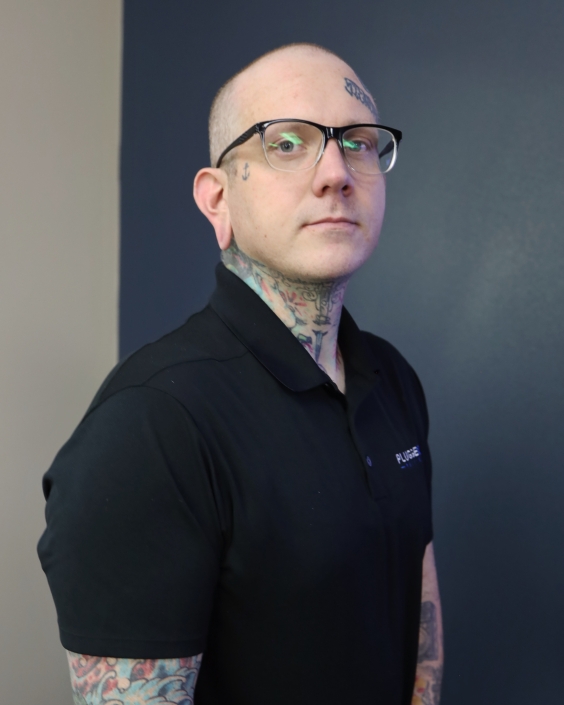
James Currier
Clinical Compliance Coordinator
Plugged In Recovery