High functioning alcoholic treatment becomes necessary when maintaining external success masks an escalating dependency on alcohol. Successful professionals will often balance careers and family life while they quietly increase their consumption, making early recognition difficult.
This underlying struggle remains hidden until severe internal exhaustion or relationship strain forces a confrontation with the reality of the addiction.
Outpatient care can give you an optimal pathway to address dependency and burnout without disrupting professional responsibilities, changing the focus from basic stabilization to long-term neurobiological recovery.
Intake Patterns of High Functioning Alcoholics
On first contact with Plugged In Recovery, their professional protective layers are usually fully intact. They may attempt to manage their clinical intake like a standard business transaction, maintaining a polished exterior and a calm demeanor. As a clinical team, we look past that presentation and usually find a severe level of internal exhaustion.
During these initial assessments, the masked reality surfaces quickly. Laura Zsako, our primary residential therapist, often observes this dynamic during intake processes, noting that “anxiety is coming out” once the chemical buffer is removed. Initiating high functioning alcoholic treatment requires an outpatient program built specifically to address these subtle presentations and very specific needs.
We don’t force a rock bottom narrative, instead we address the unique pressures that drive an individual to self medicate.
Biological Changes in High Functioning Alcoholics
Alcohol is deeply normalized in corporate and high pressure environments as a tool for networking and decompressing after a long day. However, the neurobiology of the brain quietly shifts beneath the surface over time. The individual begins relying on alcohol to downregulate their central nervous system. To combat a constant influx of cortisol, the professional uses alcohol as a chemical sedative.
Eventually, the brain responds by reducing its own natural production of calming neurotransmitters. Without evening alcohol, the individual experiences a severe baseline of physiological panic.
They’re no longer drinking for pleasure; they’re drinking to stave off chemical anxiety. The patient cannot articulate the fear.
As Laura explains to clients processing this confusion, “When they’re high-functioning, they’re trying to overachieve. So what happens clinically? They mask anxiety. They mask depression.”
If you can’t relax without a drink anymore, that’s dependence, not stress. Call our clinical team and find out what treatment looks like. The conversation is confidential.

Recognizing the Signs of High Functioning Alcoholism
The contrast between the public image and the private struggle is why intervention is so complex.
High performing individuals are experts at presenting a pristine version of themselves to the world.
External Facade vs. Internal Reality
Identifying when an individual needs high functioning alcoholic treatment involves looking past public achievements. We must look at the divide between what the public sees and what the clinician treats.
| The External Facade | The Internal Clinical Reality |
| Never misses a morning meeting or presentation. | Relies on immense physical energy to mask morning tremors. |
| Uses alcohol primarily at high level networking events. | Drinks extensively in isolation after the household is asleep. |
| Maintains a high degree of physical fitness. | Suffers from severe sleep fragmentation and chronic exhaustion. |
| Defends alcohol use as an earned professional reward. | Panics internally if their preferred substance is unavailable. |
Evaluating this pristine facade requires clinical skepticism. True recovery requires breaking down that clean exterior to address the profound exhaustion underneath. An analytical mind can complicate recovery because, as Laura points out, “that over-analization for themselves can cause them to feel like a burden”.
What Partners Observe at Home
For the spouse, recognizing the need for clinical intervention is isolating. The partner doesn’t see a stumbling, incoherent person.
They see a highly structured, rigid routine centered entirely around alcohol access. The signs at home are subtle but highly progressive.
The high functioning alcoholic relies entirely on their partner to uphold the external image. During family intake sessions, we see how heavily this impacts the family dynamic. Laura notices quickly that a “depressive mood is coming out”. Spouses researching options for a luxury rehab in Phoenix at often realize that waiting for a catastrophic failure is dangerous.
Treatment is most effective when initiated during this exact window of early recognition. Validating this hidden pattern is the critical first step. Laura emphasizes the importance of a acknowledgement at intake, “I validate them without assuming that they’re fine, because I sit across from clients and I ask them how are you doing? How are you feeling? And they say, oh, I’m fine. I ask them then why are you here?”
If you recognize these patterns in your partner, call us. We’ll tell you how to start that complex conversation and what comes next. The call is confidential and commits you to nothing.
Why Traditional Rehab Fails Professionals
The structure of traditional treatment poses a significant barrier for successful professionals. They value control, autonomy, and privacy above all else.
Consequently, entering a standard residential facility, and disconnecting from business responsibilities, is a nonstarter. It threatens the very success they use to justify their drinking.
This demographic demands an environment that respects their professional obligations while still delivering rigorous clinical intervention.
They prioritize discretion and flexibility, and rightly so, as Laura notes, “Privacy and safety are huge; having that safety with our lower numbers really helps them to be more vulnerable and feel safe.”
Comparing Treatment Options
Choosing the right modality for high functioning alcoholic treatment depends heavily on the person’s professional obligations. Plugged In Recovery operates an outpatient luxury rehab in Phoenix that perfectly accommodates demanding schedules.
| Treatment Feature | Traditional Inpatient Model | Plugged In Recovery Professional Model |
| Professional Autonomy | Requires a total leave of absence from work. | Allows the client to maintain their career. |
| Schedule Flexibility | Rigid facility lockdown with zero outside contact. | Flexible evening clinical blocks tailored to working hours. |
| Real World Application | Coping skills are practiced in an isolated bubble. | Coping mechanisms are tested immediately in stressful environments. |
| Privacy Levels | High risk of exposure due to sudden absence. | High discretion maintained as the individual remains visible. |
By providing evening intensive outpatient programs, the clinical team allows the individual to practice their new coping mechanisms directly. In our clinical experience, Laura emphasizes that “high-functioning clients often appreciate structure”.
Clinical Interventions at Plugged In Luxury Rehab
Treating the individual requires moving far beyond basic abstinence protocols. The alcohol is merely the visible symptom of a disregulated nervous system.
At our specialized luxury rehab in Phoenix, we integrate evidence based modalities to treat the whole person. Laura emphasizes digging beneath the surface, noting, “I try to dissect everything clinically as much as I can”.
We integrate Dialectical Behavior Therapy to teach distress tolerance. As Laura confirms, “DBT is effective for individuals with substance use”. In every session, the goal is clear: “I want to build that emotional stability with coping skills”.
Our team also utilizes Eye Movement Desensitization and Reprocessing to handle deeper burnout. Laura observes that “EMDR will help them get out of being stuck”. These modalities work together seamlessly to create sustainable change. As our therapists confirm, “DBT and EMDR are like best friends”.

A Call is Just a Conversation
Seeking high functioning alcoholic treatment doesn’t mean sacrificing a career. The fear of disrupting a carefully built lifestyle often keeps individuals trapped in silent exhaustion. At Plugged In Recovery we understand this struggle. You don’t need to wait for a catastrophic loss to justify seeking a healthier baseline, there isn’t a right moment
Connecting with a premier luxury rehab in Phoenix allows families to plan a secure path forward. Reaching out doesn’t mean signing away your responsibilities.
A call to our clinical team is simply a confidential conversation about your choices. We can help you build a structured, discreet plan that prioritizes your neurological health.
Laura Zsako Q&A
What surprises patients most when they start outpatient rehab?
Laura: The level of structure and accountability. A lot of people think outpatient means dropping in for a chat when they feel like it. When they realize they are expected to be here on time, participate actively, and engage in the clinical work, it shifts their perspective. They realize this is serious medical and psychological care, just delivered flexibly.
How do you handle patients who are working full-time?
Laura: We build the schedule with working professionals in mind. We offer different tracks and group times so people don’t have to choose between their livelihood and their recovery. The goal of outpatient is to help you integrate recovery into your real life, and keeping your job is often a big part of that stability.
What role do families play in the outpatient process?
Laura: Families are critical. We incorporate family therapy sessions because addiction doesn’t just happen to the individual, it happens to the whole household. We help spouses and parents understand boundary setting, enabling behaviors, and how to actually support their loved one without burning themselves out.
How do you measure progress in an outpatient setting?
Laura: We look at functional milestones. Are they maintaining sobriety? Yes, that’s the baseline. But we also look at whether their sleep has improved, if they are communicating better with their spouse, and if their anxiety scores are dropping. Progress is measured by how much of their life they are getting back.
Frequently Asked Questions
Can you be an alcoholic and still be highly successful in your career?
Yes. Professional success doesn’t prevent neurobiological dependence. Many individuals maintain intense careers while their physical reliance on alcohol escalates. They use their external success as proof that they don’t have a problem. This masking hides the severe internal exhaustion required to conceal their escalating consumption from peers.
What are the first signs of a high functioning alcoholic?
Early signs include drinking before social events to establish a baseline and feeling intense irritability if alcohol is unavailable. Severe sleep fragmentation is another massive indicator. The individual will display a rigid adherence to drinking routines and an increasing tolerance requiring more consumption to achieve relief.
How do you approach a highly successful spouse about their drinking?
Approach the conversation during a calm and completely sober moment in the morning. Focus entirely on specific behavioral observations rather than character judgments. Express concern for their physical exhaustion and stress levels. Frame the discussion around seeking professional support for burnout rather than accusing them of personal failure.
Does high functioning alcoholic treatment require a leave of absence?
Not always. While some severe medical detoxes require a brief absence, many clinical programs offer outpatient structures designed specifically for working professionals. Plugged In Recovery provides intensive therapy during evening hours. This allows the individual to maintain career responsibilities while actively addressing their neurobiological health safely.
Self Assessment Quiz
| Self Assessment Question | Yes (1 Point) | No (0 Points) |
| Do you find yourself planning your evening around when you can have your first drink? | ||
| Have you ever felt the need to drink prior to attending a networking event to feel prepared? | ||
| Does your partner frequently comment on your irritability before you have had a drink? | ||
| Do you use your professional success to justify your current level of alcohol consumption? | ||
| Do you frequently wake up in the middle of the night with a racing heart or severe anxiety? | ||
| Do you intentionally avoid discussing your exact alcohol intake with your primary care physician? |
0 to 1 Points (Low Risk): Your current routines don’t indicate a high level of neurobiological dependence. Continue to monitor your stress levels and ensure you have healthy coping mechanisms.
2 to 4 Points (Moderate Risk): You’re displaying patterns consistent with early stage dependence. Exploring outpatient support now can prevent further escalation and protect your career.
5 to 6 Points (High Risk): Your responses strongly indicate a high functioning dependence pattern. A confidential clinical conversation is highly recommended to explore structured high functioning alcoholic treatment options immediately.
Spouse Observation Checklist
- Recognizing the “Shift in Your Partner”
- Noticeable increase in alcohol tolerance over the last twelve months.
- Intense defensiveness when the topic of drinking is casually mentioned.
- Drinking occurs in isolation or after the rest of the household is asleep.
- Consistent failure to remember conversations that occurred late in the evening.
- Visible morning anxiety that only subsides as the workday progresses.
Meet The Author
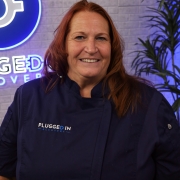
Laura is a therapist with a deep passion for mental health, healing, and recovery. She believes in creating a safe, supportive space where individuals can work through challenges, rediscover their strengths, and reclaim their lives.
Whether you’re navigating trauma, addiction, or emotional overwhelm, she walks alongside you with compassion, structure, and hope. When she’s not in the therapy room, you’ll often find her mountain climbing with her husband, grounded in nature and adventure – a reminder of the strength and balance we all strive for, inside and out.

Laura Zsako
Primary Residential Therapist
Plugged In Recovery