At Plugged In Recovery, we regularly talk with people who want help but cannot step away from work for weeks at a time.
The good news is that outpatient addiction treatment is built for real life. You can keep your job while building structure, accountability, and coping skills, as long as the level of care matches your stability and risk. This guide explains how clinicians make that call, what “accountability” actually means day to day, and how outpatient plans for high-risk weeks that can derail early sobriety.
What outpatient addiction treatment looks like for working professionals
Brianna Perone, Director of Outpatient Services, describes outpatient simply: “Outpatient is a place of treatment to be able to work on their recovery while also in their day-to-day of their normal lives.” James Currier, Clinical Compliance Coordinator, adds: “Outpatient is the integration of treatment into outside life… managing external stressors that are still going on, but being in treatment for the support.”
If you are considering outpatient rehab vs inpatient, the difference is not “serious” vs “not serious.” It is environment and stability.
- Outpatient means you live at home or in sober living and attend scheduled programming.
- You practice recovery skills while work, stress, and triggers are still present.
- The right intensity depends on whether you can stay stable between sessions.
If relapse risk is high or mental health is unstable, inpatient may be safer even if it disrupts work temporarily.

Balancing independence with structure in early recovery
Working full-time adds pressure. Early recovery adds more. Outpatient works when independence is supported by structure until routines become habits.
Brianna is direct about what most clients are missing early on: “The biggest thing that we do in early recovery is also instill the structure and routine because that’s what they’re usually lacking.” She explains how the team creates a baseline every day: “Every morning the daily check-in group. We figure out where they’re at mentally, emotionally, physically, spiritually… so we have a baseline of how to work with them through the day and through the week.”
James explains why structure matters clinically: “The brain craves and operates off of predictability,” and “Structure and routine signal safety to the brain.”
- Weekly goals help clients organize recovery around work demands.
- Predictable routines reduce impulsive decisions after stressful shifts.
- Daily check-ins flag relapse risk early, before a crisis.
- Structure makes recovery a schedule, not a mood.
This is also why outpatient is not only group therapy. James explains the difference between learning and applying: “Groups are when things are taught. Individual therapy is when they take what is taught and learn how to actually use it.”
For people whose thinking patterns spiral under stress, CBT therapy is a helpful resource for how skill-based work supports follow-through.
What accountability looks like in outpatient day to day
In outpatient addiction treatment, “accountability” is not a slogan. It is practical behavior tracking that prevents drift, avoidance, and silent relapse.
Brianna describes it plainly: “It’s showing up on time.” She adds that it also means “communicating when outside appointments or family matters happen.” For working clients, this matters because overtime and schedule changes can quickly turn into disappearing.
She also names a concrete standard: “We do drug testing… randomly throughout the week. That is a requirement.” And accountability is not only one clinician watching. Brianna explains, “We do weekly check-ins with numerous members of the treatment team,” plus tracking real recovery actions outside treatment like “sponsors, home groups, service commitments.”
- On-time attendance and consistent participation.
- Honest communication when work conflicts come up.
- Random drug testing that closes loopholes.
- Weekly check-ins across the clinical team.
- Tracking real-world recovery actions, not just insight.
This structure is a big reason people looking for luxury outpatient addiction treatment in Chandler can still make progress while employed. It is flexible scheduling with non-negotiable follow-through.

Handling high-risk weeks: early sobriety, anniversaries, grief, job stress
Work stress, grief, anniversaries, and early sobriety symptoms are predictable relapse windows. Outpatient plans for them directly instead of hoping the client “stays strong.”
Brianna explains the first priority is getting clients to be honest:
“Not letting the client just feel like those milestones or anniversaries… mean nothing to them and that they’re okay.” When clients open up, the team builds practical plans instead of platitudes.
One of the most useful tools she names is planning an exit:
“Our therapists are really big on creating exit strategies,” including how to leave high-risk situations “without making a big scene.” She also notes the team practices these scenarios: “They’ll do role-playing… means of interventions,” because pretending a trigger week is not happening “is just a band-aid to the problem.”
James adds the key outpatient principle: skills have to be built before the high-risk week hits. “Hopefully we’ve already had the opportunity to help them develop coping skills and learn how, when, and where they need to be implemented.”
- Identify upcoming high-risk weeks in advance, not after the slip.
- Increase communication so the team can tighten support quickly.
- Build “exit strategies” for events where substances will be present.
- Practice coping skills ahead of time so they show up under stress.
- Treat sleep, mood swings, and overwhelm as relapse signals, not personality.
This is especially relevant for people searching outpatient alcohol treatment Phoenix, where job stress plus poor sleep can snowball quickly. It is also common for those seeking outpatient drug rehab Arizona options, where environmental triggers and access can be constant.
If anxiety is part of what drives cravings during stressful work weeks, Plugged In’s blog on anxiety and addiction diagnosis helps clarify how symptoms and relapse risk overlap. If the pattern is “I use to calm down,” the post on when self-medicating anxiety becomes the real problem connects the dots in a practical way.

Choosing the right intensity when you cannot step away from work
Outpatient can work with a full-time job, but only if the level of care matches the reality of risk. Clinicians usually recommend more intensity when stability is too low for real-world exposure.
Brianna notes that schedules can be flexible, but clinical necessity comes first. If someone is drinking daily, destabilized, or repeatedly relapsing, outpatient may not be enough even if it is more convenient.
- Outpatient is often a fit when housing is stable and the client can stay sober between sessions.
- Inpatient may be safer when relapse is frequent or mental health is unstable.
- Work can be addressed with documentation and planning when higher care is needed.
- The goal is not protecting the job at the cost of recovery, it is protecting recovery so the job becomes sustainable.
For a neutral overview of how levels of care are matched to needs, SAMHSA’s explanation of treatment options is a solid reference. Structure and strong care enable outpatient treatment success.
Outpatient treatment works by replacing guesswork with structure.
Yes, outpatient addiction treatment can work with a full-time job, but it works because structure replaces guesswork. Outpatient is “the integration of treatment into outside life,” as James says, and it is designed to build routines that hold up during real stress. With daily check-ins, measurable accountability, and planning for high-risk weeks through tools like exit strategies and role-playing, outpatient can support working professionals across Phoenix and Chandler. The deciding factor is not how busy you are. It is whether the level of care is strong enough to keep you stable when life gets hard.
Plugged In Recovery Can Help You Feel Like You Again
Whether you’re just starting to question your relationship with substances or you’ve been in the cycle for years, Plugged In Recovery is here to help you break free.
With private, resort-style rehab in Scottsdale and outpatient care in Chandler, our team meets you where you are, with respect, expertise, and personalized care that works.
“Anxiety doesn’t have to run the show,” Laura says. “And you don’t have to figure it out alone.”
Meet The Author
James brings nearly a decade of experience in the behavioral health field, including five years in executive leadership. With a Master’s in Clinical Mental Health Counseling and a personal journey in recovery, he combines clinical knowledge with lived experience to lead compassionate, client-centered care.
His work is grounded in a strong focus on regulatory compliance, operational efficiency, and data-driven decision-making, helping programs grow while upholding the highest standards of quality. James is dedicated to building systems that drive lasting change for both clients and the programs that support them.
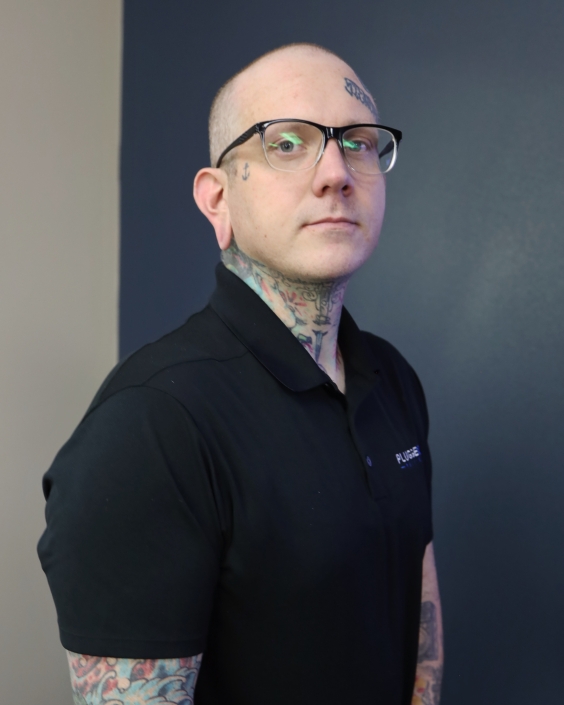
James Currier
Clinical Compliance Coordinator
James brings nearly a decade of experience in the behavioral health field, including five years in executive leadership. With a Master’s in Clinical Mental Health Counseling and a personal journey in recovery, he combines clinical knowledge with lived experience to lead compassionate, client-centered care. His work is grounded in a strong focus on regulatory compliance, operational efficiency, and data-driven decision-making, helping programs grow while upholding the highest standards of quality. James is dedicated to building systems that drive lasting change for both clients and the programs that support them.