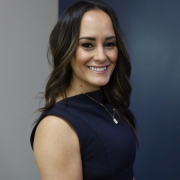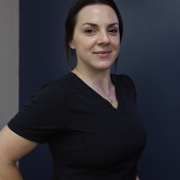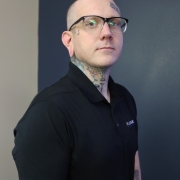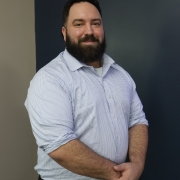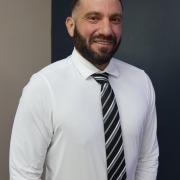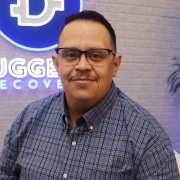
At Plugged In Recovery, James Currier, Clinical Compliance Coordinator, and Brianna Perone, Director of Outpatient Services, see the same concern again and again. People want outpatient care, but they worry they will feel anonymous in a room full of strangers. They also worry about juggling work, school, or parenting while starting treatment.
This guide explains outpatient group therapy in a practical way, using direct quotes from the Plugged In team. You will learn why small groups feel more personal, what to expect in your first week, how the outpatient intake process lowers uncertainty, and how individual therapy and case management work alongside groups in Chandler.
Outpatient Group Therapy That Fits Real Life In Chandler
Brianna describes outpatient in plain language, “Outpatient is a place of treatment to be able to work on their recovery while also in their day-to-day of their normal lives.” James adds a clinical frame, “Outpatient is the integration of treatment into outside life, managing external stressors that are still going on, but being in treatment for the support.”
That definition matters for outpatient treatment Chandler AZ. You do not pause life. You learn how to build stability while life keeps moving.
- You attend structured sessions while you live at home or in sober living
- You practice skills between sessions while work stress and triggers still exist
You build routines that hold up in real environments

Why Small Groups Make Outpatient Group Therapy Feel More Personal
When people ask why smaller groups matter, James gives a clear answer, “Clinically it’s suggested to have groups no larger than 12, because you have to create an intimate group setting where everybody’s going to have the opportunity to speak.” He also explains what large groups do to the room, “Large groups remove that. Large groups basically turn into everybody competing for a small amount of time to actually share what they’re thinking.”
In outpatient group therapy, time and attention matter. Small groups change how quickly people feel safe enough to participate.
- You get more time to speak and ask questions
- You build rapport faster with peers and staff
- You do not get lost in the mix
James ties group size to outcomes through engagement, “Rapport equals higher engagement. Higher engagement equals higher insight.” He explains why peer connection matters, people gain insight not only from facilitators but also from peers living the same week at the same time.
Brianna connects group size to retention, which often predicts progress in outpatient, “It’s also great for retention, right. Because they don’t get lost in the mix. All the staff know them, all the staff can keep them accountable, and retention is key in outpatient because the longer they’re here the higher the success is.”

What Role Individual Therapy And Case Management Play Alongside Groups
People often assume outpatient is only groups. James describes the difference between learning and applying skills, “Groups are when things are taught. Individual therapy is when they take what is taught and learn how to actually use it.” He adds a key point about why that matters, “Individualized treatment is just that. It’s individualized.”
This is the core of outpatient therapy and groups working together. A group can teach a skill, but the person still needs help applying it to their own triggers, relationships, and daily routine.
- Groups teach skills and create a shared language for recovery
- Individual therapy turns skills into personal action steps
- Therapy helps clients apply skills at work, at home, and in conflict
Case management plays a different role. It clears the noise that keeps clients from engaging. James describes what happens when outside stressors dominate, “If somebody comes in and they’re hyper-focused on outside stressors, then they’re not 100 percent focused on the reason that they’re here.” He lists common stressors, “How am I going to save my job, how am I going to save my marriage, I have court coming up.”
Case management reduces urgent life stress so treatment can land
- Case management helps clients prioritize what matters this week
- Case management supports follow-through when the week feels overwhelming
This combination works well for people who need evening IOP Chandler schedules. Workdays create fatigue. Small groups plus individualized support reduce the sense of being alone in the process.

How The Outpatient Intake Process Reduces Friction In Week One
Most people searching IOP Chandler what to expect want to know what happens before the first group. The outpatient intake process exists to reduce uncertainty and match you to the right intensity and schedule.
Brianna describes how the team handles level of care fit, when the clinical team decides a client needs a higher level of care, “It’s not just like, Oh, you don’t meet the criteria, see you later. We will work them through the resources that are available. We will get them to the next facility.”
She also explains how they approach families, “We will talk to their loved ones with them, even if they’re not staying in our care.” She sums up the intent, “Being able to precisely tell them why this level of care is not appropriate for them and educating them of what the benefits of the other level of care will do for them.”
- The team assesses stability, safety, and schedule constraints
- The plan matches clinical need first, then scheduling preference
The first week starts with clarity, not confusion
What To Expect In Your First Week Without Feeling Overwhelmed
Starting outpatient often feels uncomfortable, and that does not mean you made the wrong choice. Brianna describes week one as rapport and orientation, “First week is really staff gaining rapport with the client.
Learning about what brought them into treatment, identifying their treatment plans and their treatment goals.” She also sets an honest expectation, “This is also an uncomfortable process. However, giving a little trust in the process will get them to accomplish their end goals of what they’re coming into treatment for.”
James explains why predictability helps, “The brain craves and operates off of predictability.” He also says, “Structure and routine signal safety to the brain.” That is one reason small group outpatient care often feels more personal. It reduces chaos. It increases predictability.
- The schedule stays consistent so you know what comes next
- Staff repeats expectations so you do not have to memorize everything
- Early goals focus on stability and attendance, not perfection
- Small groups reduce the pressure to perform
In practical terms, this approach helps working clients, especially those choosing evening IOP Chandler, because nervousness often shows up after a long day when energy runs low.
How Small Group Outpatient Care Supports Luxury Rehab Step Down
Some clients begin at a higher level of care and step down into outpatient. Plugged In offers luxury rehab options in the Phoenix area, including residential treatment and luxury sober living. That step-down path often helps people who need a protected environment first, then gradual real-world integration.
Outpatient group therapy can feel more personal after residential because the client already has a foundation. The small group setting then helps them apply skills while they rebuild work routines, parenting responsibilities, and daily structure.
- Residential can stabilize sleep, mood, and routine first
- Outpatient helps integrate skills into real life and real stress
Sober living can support structure when home is not stable
What Makes Small Group Outpatient Care Feel Personal Over Time
Small group care feels personal because relationships become real. James explains how engagement translates to insight, and insight translates to change. Brianna explains how retention improves when staff and peers know you and hold you accountable.
That personal feel is not just comfort. It is clinical value.
- Clients speak more often and build confidence faster
- Staff notices early drift before it becomes a relapse
- Peers provide reality checks that land because rapport exists
Choosing A Setting That Helps You Show Up
Small group outpatient care does not promise comfort. It creates conditions for engagement. Engagement improves insight. Insight supports behavior change. That is why small groups often feel more personal and more effective.
- Small groups give you time, attention, and rapport
- Individual therapy turns learning into usable action
- Case management clears stress so you can focus
- Intake reduces confusion so week one feels predictable
Plugged In Recovery Can Help You Feel Like You Again
Whether you’re just starting to question your relationship with substances or you’ve been in the cycle for years, Plugged In Recovery is here to help you break free.
With private, resort-style rehab in Scottsdale and outpatient care in Chandler, our team meets you where you are, with respect, expertise, and personalized care that works
Meet The Author
Brianna Perone serves as the Director of Outpatient Services at Plugged In Recovery, bringing over eight years of experience in the behavioral health field and nine years in personal recovery. Her career began as a Behavioral Health Technician and evolved through roles in case management and operations, giving her a well-rounded perspective on client care and program development.
With a deep passion for helping others, Brianna blends her professional expertise and personal recovery journey to lead with compassion, integrity, and purpose. She is dedicated to creating a supportive and empowering environment for individuals seeking recovery from addiction and mental health challenges.

Brianna Perone
Director of Outpatient Services
Plugged In Recovery