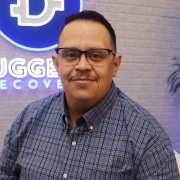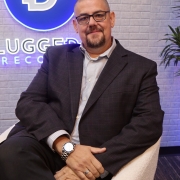
Many people still assume “rehab” only means residential. In reality, different levels of care exist because different people need different levels of structure and safety. This article explains luxury outpatient rehab vs inpatient in clear terms, using direct quotes from Plugged In Recovery’s outpatient team of Brianna Perone and James Currier, plus practical guidance on fit, red flags, and family support.
Outpatient rehab vs inpatient: the simplest explanation
Brianna Perone, Director of Outpatient Services, describes outpatient this way:
“Outpatient is a place of treatment to be able to work on their recovery while also in their day-to-day of their normal lives.”
James Currier, Clinical Compliance Coordinator, adds:
“Outpatient is the integration of treatment into outside life, right? It’s managing external stressors that are still going on, but being in treatment for the support.”
- Inpatient or residential is often best when safety, stability, or relapse risk is too high to manage outside a structured setting.
- Outpatient rehab is designed for people who can live off-site and still show up consistently for treatment.
- The goal of outpatient is real-world practice, not isolation from life.
If you are weighing outpatient rehab vs inpatient, the real question is whether you can stay stable between sessions.

How to explain outpatient to someone who thinks rehab only means residential
People looking at outpatient rehab in Phoenix often worry that outpatient means “not serious.” The outpatient team describes the opposite.
Brianna explains outpatient is: “learning how to create a routine that’s focused on their recovery while maintaining their responsibilities and becoming an active member of society, work, kids, etc.”
- Outpatient supports recovery while you keep living your life.
- Skills are taught in treatment and practiced immediately in your real environment.
- Accountability is built in, not optional. Brianna calls it “a place of high accountability with drug testing, with daily check-ins with the treatment team.”
- For many people seeking outpatient alcohol treatment in Phoenix, structure plus real-world practice is what makes progress stick.
If you want an example of what “skills” can look like in outpatient, Plugged In’s overview of CBT therapy explains how treatment targets thought patterns that create relapse permission.
Who is a strong fit for outpatient as a starting level of care?
Outpatient is not only a step-down. For some people, outpatient drug rehab Arizona options can be an appropriate starting level when stability already exists. That is often why people pursue outpatient addiction treatment Chandler so they can keep work or family responsibilities while getting structured support.
Brianna gives a clear baseline: “Has stable housing and some basic daily structure.” She also states the non-negotiable: “You can’t come into outpatient if you don’t have safe, stable housing.” James adds that outpatient is for people “who have demonstrated applicable coping skills in the past and who have maintained sobriety for a length of time prior to coming into treatment.”
- Safe, stable housing is required.
- You need enough stability to attend consistently and communicate.
- You must be medically okay and “somewhat psychiatrically stable” for outpatient, as Brianna puts it.
- Outpatient works best when you can practice coping skills between sessions.
A strong starting fit usually includes willingness to be accountable even when motivation drops.

Red flags that outpatient is not enough right now
Choosing outpatient because it feels easier can backfire if the level of care does not match the reality of relapse risk.
Brianna names a major red flag: “Habitual relapses.” She explains, “If they aren’t able to stay, have any length of sobriety on their own, then they definitely need a higher level of care.” If the pattern is self-soothing with substances, when self-medicating anxiety becomes the real problem connects that cycle in practical terms.
She also points to follow-through: “If they don’t come into programming as scheduled, without communication.” James frames the bigger issue: “They haven’t been able to demonstrate continuous sobriety before… What it is, it’s negotiating with recovery.”
- Repeated relapses with little or no sustained sobriety.
- Unstable or unsafe housing.
- Psychiatric instability, crisis behavior, or need for stabilization.
- Attendance problems, avoidance, or inability to follow structure.
- Life chaos so intense that skills cannot be practiced between sessions.
If families want a neutral explanation of treatment levels and what they can include, SAMHSA’s overview of treatment options can help clarify why level of care is a clinical decision.

Balancing independence with structure in early recovery
Outpatient is not “less structure.” It is structure designed to help clients build their own structure outside the program. Brianna explains, “The biggest thing that we do in early recovery is also instill the structure and routine because that’s what they’re usually lacking.” She describes their daily baseline: “Every morning the daily check-in group. We figure out where they’re at mentally, emotionally, physically, spiritually.”
James connects this to how the brain stabilizes: “The brain craves and operates off of predictability.” Then he sums it up: “Structure and routine signal safety to the brain.”
- Weekly goals and consistent scheduling reduce drift.
- Daily check-ins help track stability before relapse happens.
- Accountability supports follow-through when motivation fades.
- Treatment components work together: James says, “Groups are when things are taught. Individual therapy is when they take what is taught and learn how to actually use it.”
- Case management reduces outside stress so treatment can land: “The case managers play a vital role in helping relieve that stressor.”
For clients whose cravings are closely tied to anxiety, Plugged In’s post on anxiety and addiction diagnosis explains how symptoms can drive relapse risk.
What families should understand about outpatient success
Families often want certainty and fast change. Outpatient can be effective, but it is not instant.
Brianna says, “Clients aren’t going to be perfect just because they’re in treatment.” She adds, “It’s not a guarantee that their loved one is never going to struggle with drugs or alcohol or even mental health again.”
She also emphasizes boundaries as a major driver of success: “Hold firm to their boundaries because the enabling that families do is what causes us to stay in that pattern for so much longer.” Brianna is blunt about early recovery dynamics: “We are very manipulative. So we are very good at telling you what you want to hear to give us everything back.”
- Progress is usually stability and consistency, not perfection.
- Boundaries protect recovery, especially early on.
- Avoid rewarding early sobriety with high-risk privileges too quickly.
- Support the treatment plan instead of reacting to promises or bargaining.
- Family involvement can help when appropriate and authorized.
For a broader educational view of what treatment and recovery can involve, NIDA’s overview of treatment and recovery is useful for families who want clarity without hype.
Choosing the right intensity in Phoenix, Chandler, and across Arizona
If you are deciding between luxury outpatient rehab in Phoenix and residential options, intensity should match stability. The same logic applies whether someone is seeking outpatient addiction treatment Chandler, support for outpatient alcohol treatment in Phoenix, or a structured plan through outpatient drug rehab in Arizona programs.
- Outpatient is often a better fit when you can stay safe, sober, and engaged between sessions.
- A higher level of care may be safer when relapse is frequent, housing is unstable, or mental health symptoms are destabilizing.
If opioid use is part of the picture, the FDA’s overview of medications for opioid use disorder can help families understand evidence-based options.
Plugged In Recovery Can Help You Feel Like You Again
Whether you’re just starting to question your relationship with substances or you’ve been in the cycle for years, Plugged In Recovery is here to help you break free.
With private, resort-style rehab in Scottsdale and outpatient care in Chandler, our team meets you where you are, with respect, expertise, and personalized care that works.
Meet The Author
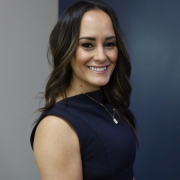
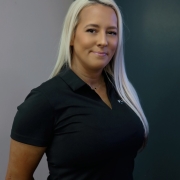
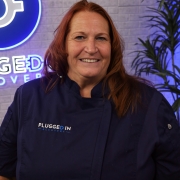
Brianna Perone serves as the Director of Outpatient Services at Plugged In Recovery, bringing over eight years of experience in the behavioral health field and nine years in personal recovery. Her career began as a Behavioral Health Technician and evolved through roles in case management and operations, giving her a well-rounded perspective on client care and program development.
With a deep passion for helping others, Brianna blends her professional expertise and personal recovery journey to lead with compassion, integrity, and purpose. She is dedicated to creating a supportive and empowering environment for individuals seeking recovery from addiction and mental health challenges.
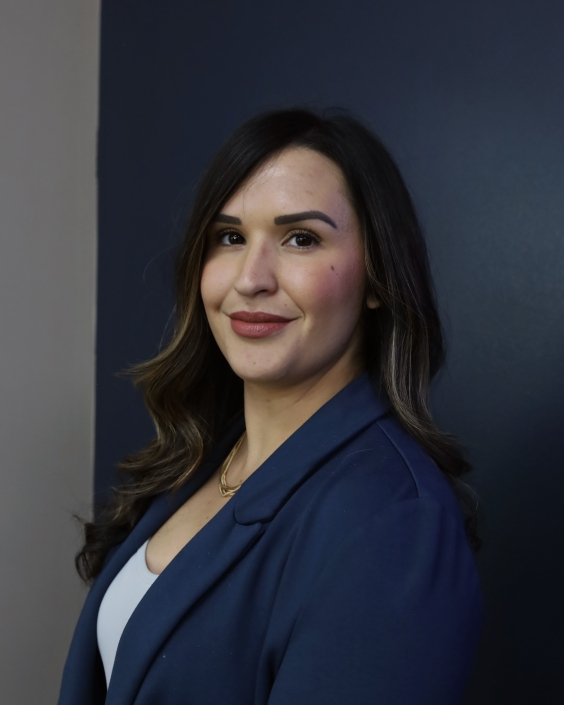
Brianna Perone
Director of Outpatient Services
Plugged In Recovery