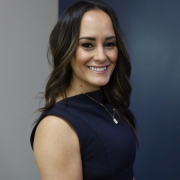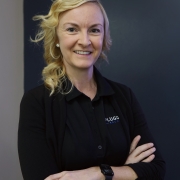
At Plugged In Recovery, Brianna Perone, Director of Outpatient Services, helps people answer a practical question before treatment starts: is outpatient rehab in Phoenix the right fit?
This article is for people looking at outpatient options across the Phoenix area, including Chandler, Gilbert, and Tempe, especially those trying to figure out what actually works with their day-to-day life.
It helps you figure out whether outpatient care fits your current situation and what level of care actually makes sense.
Common Stressors That Affect Outpatient Rehab in Phoenix
Brianna answered the local-stressor question in direct terms. She pointed to financial pressure, family strain, relationship conflict, and court-related issues as common problems clients bring into treatment.
In Arizona, those stressors sit alongside an ongoing opioid crisis that still includes counterfeit pills and fentanyl, which raises the stakes when someone has a destabilized week.
The Arizona Department of Health Services opioid dashboard reflects that ongoing statewide risk.
- Financial stress can turn one setback into a trigger week
- Family conflict can carry straight into the group
- Relationship instability can raise emotional reactivity
- Court pressure can drain focus before treatment begins

Why outpatient rehab has to fit real life
Brianna describes outpatient as “a place of treatment to be able to work on their recovery while also in their day-to-day of their normal lives.”
That is why Plugged In’s outpatient treatment program matters for people comparing outpatient rehab Chandler AZ with other options in the east Valley.
The program is built around real-world participation, not isolation from work, parenting, or day-to-day obligations.
- Outpatient still has to work during a real week
- A good fit depends on structure, not intention alone
- Logistics matter because missed sessions start with missed planning
- Routine usually matters more than motivation
Work schedules and outpatient rehab Phoenix area fit
Brianna explained that Plugged In works around work availability, childcare, and daily responsibilities, but she also made the bigger point that clinical necessity comes first. Outpatient rehab vs inpatient rehab follows that same fit-based logic.
Federal leave protections under the FMLA guidance may matter when someone needs more structure than they can safely balance with work.
- Work matters, but it does not erase relapse risk
- Childcare matters, but it still needs a real plan
- Some people can hold IOP while working full time
- Some people need more structure before outpatient will stick

A weekly rhythm for outpatient treatment
A good outpatient week does not need to look impressive. It needs to look repeatable. Brianna’s description of outpatient comes back to routine, responsibilities, and recovery happening inside normal life. Plugged In’s guide to outpatient addiction treatment with a full-time job supports that same idea by showing how structure, not willpower, keeps treatment from drifting.
- Same wake time on weekdays
- Same group days each week
- Same meal and wind-down plan on treatment nights
- One recovery task outside group so the week does not drift
Structure helps outpatient rehab succeed later
Brianna also makes clear that if someone cannot maintain sobriety on their own, they may need a higher level of care. That is where honesty matters. Some people need more protection before outpatient will hold.
Plugged In’s residential treatment program and luxury sober living support that step-up and step-down path across Scottsdale and the greater Phoenix area.
- Repeated relapse can mean IOP is not enough yet
- Unsafe housing can make outpatient too exposed
- More structure can stabilize sleep, mood, and routine
- Step-down care can make later outpatient more sustainable
Are You a Good Fit for Outpatient Rehab?
A lot of people searching “IOP near me” are not really asking whether treatment exists. They are asking whether they are “bad enough,” “too functional,” or “too busy” for care.
Brianna’s framework shifts the question back to fit, housing, structure, and follow-through. For people in Chandler, Gilbert, Tempe, and the wider Phoenix area, that usually leads to a better decision than guessing based on distance alone.
Plugged In’s main program overview shows a broader continuum across outpatient, sober living, and residential support.
- Can you stay sober between sessions?
- Can you show up after a hard day?
- Is your housing steady enough for an outpatient to work?
- Does your current week actually support recovery habits?
Choosing the Right Outpatient Rehab
The best outpatient rehab in Phoenix option is not just the one with the shortest drive. It is the one that still holds when traffic backs up, work runs late, summer routines get sloppy, or family stress spikes on a Tuesday.
Brianna’s lens stays simple. Compare your real week, not your best intentions, and choose the level of care that matches the actual level of instability.
- Compare your real week, not your ideal week
- Treat commute and heat as planning factors
- Match care level to the real level of risk
- Choose the structure that can still hold under stress
Plugged In Recovery Can Help You Feel Like You Again
Whether you’re just starting to question your relationship with substances or you’ve been in the cycle for years, Plugged In Recovery is here to help you break free starting with a simple insurance verification.
With private, resort-style rehab in Scottsdale and outpatient care in Chandler, our team meets you where you are, with respect, expertise, and personalized care that works.
Meet The Author
Brianna Perone serves as the Director of Outpatient Services at Plugged In Recovery, bringing over eight years of experience in the behavioral health field and nine years in personal recovery. Her career began as a Behavioral Health Technician and evolved through roles in case management and operations, giving her a well-rounded perspective on client care and program development.
With a deep passion for helping others, Brianna blends her professional expertise and personal recovery journey to lead with compassion, integrity, and purpose. She is dedicated to creating a supportive and empowering environment for individuals seeking recovery from addiction and mental health challenges.
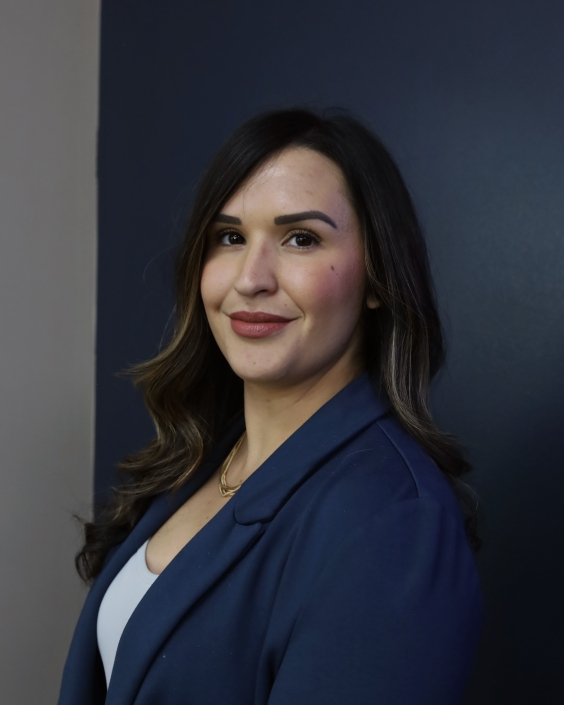
Brianna Perone
Director of Outpatient Services
Plugged In Recovery