Most people don’t set out to develop an addiction; they just want to feel better.
Whether it’s a glass of wine to “unwind” after work, weed to “calm down,” or stimulants to “stay focused,” self-medicating anxiety is one of the most common patterns seen in clients entering treatment at Plugged In Recovery.
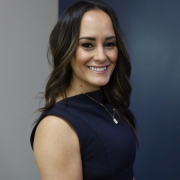
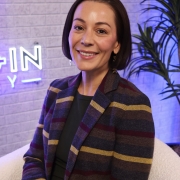
“People come in thinking their issue is alcohol or drugs. But underneath, it’s often untreated anxiety that’s been there for years,” says Laura Zsako, Primary Residential Therapist at Plugged In’s luxury rehab in Scottsdale.
In this article, we explore how anxiety drives self-medication, how that relationship turns into a cycle, and why identifying the root cause is essential for lasting recovery.
What Is Self-Medicating Anxiety?
Self-medicating means using substances, alcohol, drugs, or even excessive caffeine or food, to manage emotional or physical discomfort instead of seeking professional help.
“When someone is anxious all the time, they often start looking for fast ways to shut that feeling down,” Laura explains. “And unfortunately, substances work, until they don’t.”
Short-term relief can quickly snowball into long-term harm. What starts as a coping strategy can become dependence, especially when anxiety is severe or untreated.
Common self-medicating patterns include:
- Drinking to sleep or slow racing thoughts
- Using stimulants to mask fatigue and low motivation
- Turning to THC or benzos to suppress panic symptoms
- Isolating with screens or food to avoid overstimulation
Laura notes that in high-functioning clients, especially professionals in Phoenix’s fast-paced environment, these behaviors often go unnoticed.
“They’re still working. Still parenting. But they’re in survival mode.”
Red Flags That Anxiety Is Driving Substance Use
One of the most common misconceptions Laura hears is that substance use is the primary issue, when it’s often a symptom of more profound distress.
“I can’t tell you how many times someone comes in and says, ‘I don’t know why I can’t stop drinking.’ But when we slow down and look underneath, it’s panic, shame, or unresolved trauma that they’re really trying to escape.”
Signs that anxiety may be fueling substance use include:
- Needing substances to “function” in social or work settings
- Feeling emotionally flat or disconnected without using
- Avoiding situations without a substance “buffer”
- Escalating use during periods of stress or transition
- Having panic symptoms return quickly during early sobriety.
Laura adds: “We see this all the time with alcohol. People aren’t trying to party, they’re trying to regulate their nervous system.”
How Untreated Anxiety Sabotages Recovery
Even after someone stops using substances, untreated anxiety can make it incredibly difficult to stay sober.
“It’s not enough to just take away the alcohol or the pills,” Laura says. “You have to replace them with real coping skills, or the anxiety comes roaring back.”
This is why Plugged In Recovery’s programs integrate mental health treatment from day one. Whether a client is in residential rehab, outpatient therapy, or sober living, anxiety is addressed as a core part of their care plan.
Laura highlights that when anxiety isn’t treated, clients may:
- Struggle with motivation or trust during therapy
- Experience panic or racing thoughts during group work
- Feel emotionally unsafe in their own body
- Risk relapse simply to escape the discomfort of early recovery
“It’s not that these clients don’t want to get better,” she explains. “It’s that their anxiety feels bigger than their willpower.”

What Anxiety Really Looks Like Underneath the Surface
Self-medicating anxiety isn’t always obvious. According to Laura, some of the most frequently missed symptoms in treatment are:
- Digestive issues or unexplained pain
- Difficulty concentrating or completing tasks
- Social withdrawal disguised as “introversion”
- Over-controlling behaviors or perfectionism
- Chronic fatigue despite sleeping well
“Often people don’t name it as anxiety, they’ll say they’re ‘burned out’ or just tired,” she says. “But when you dig a little, you see the anxious thinking patterns underneath.”
Life events like divorce, grief, financial stress, or burnout often trigger a spike in anxiety that leads people to use.
And in Laura’s words: “They don’t even realize it’s happening until the substance stops working, and by then, the cycle’s already set.”

Breaking the Cycle at Plugged In Recovery
At Plugged In, treatment isn’t just about stopping the behavior; it’s about healing what made the behavior necessary in the first place.
“Our approach is rooted in compassion, not blame,” Laura emphasizes. “We understand why people self-medicate. And we help them build something stronger in its place.”
Plugged In’s luxury rehab programs in Phoenix include:
- CBT & DBT to reframe anxious thought loops
- ACT therapy to build emotional flexibility and resilience
- Psychiatric care for medication support when needed
- Holistic therapies like yoga, red light sauna, and breathwork
- Safe, private spaces to decompress and process without pressure
This wraparound approach is key for clients recovering from both addiction and anxiety.
“It’s about building a nervous system that doesn’t need substances to feel safe,” Laura says.
When It’s Time to Get Help
You might need support for self-medicating anxiety if:
- You’re using alcohol, cannabis, or other substances to calm your mind
- You feel worse when you try to stop or cut back
- Anxiety symptoms spike in early sobriety
- Your relationships or work life are being affected
- You don’t recognize yourself anymore
If any of these feel familiar, it’s not a sign of weakness; it’s a sign your system is asking for help.
Plugged In Recovery Can Help You Feel Like You Again
Whether you’re just starting to question your relationship with substances or you’ve been in the cycle for years, Plugged In Recovery is here to help you break free.
With private, resort-style rehab in Scottsdale and outpatient care in Chandler, our team meets you where you are, with respect, expertise, and personalized care that works.
“Anxiety doesn’t have to run the show,” Laura says. “And you don’t have to figure it out alone.”
Meet The Author
Laura is a therapist with a deep passion for mental health, healing, and recovery. She believes in creating a safe, supportive space where individuals can work through challenges, rediscover their strengths, and reclaim their lives.
Whether you’re navigating trauma, addiction, or emotional overwhelm, she walks alongside you with compassion, structure, and hope. When she’s not in the therapy room, you’ll often find her mountain climbing with her husband, grounded in nature and adventure – a reminder of the strength and balance we all strive for, inside and out.

Laura Zsako
Primary Residential Therapist
Plugged In Recovery