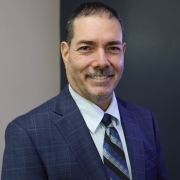
Sober living in Chandler, Gilbert, Tempe, and the Phoenix area works best with outpatient treatment. Plugged In Recovery works with patients who need treatment to function in real life. James Currier, Plugged In’s Clinical Compliance Coordinator, gives this topic shape. He describes outpatient care as recovery practiced inside life, not away from it.
His interview stays direct, practical, and grounded in behavior. He talks about structure, integrity, repetition, and support outside group. That makes him a guide for anyone searching for IOP near by and wondering where they fit today.
Why This Pairing Helps
Sober living and outpatient treatment can fit well when home life still feels unstable. Outpatient care gives clinical support during the week.
Sober living adds daily structure between sessions. James frames outpatient as recovery inside normal life.
That makes the living environment matter more, not less.
- Outpatient adds therapy and structure
- Sober living adds routine and accountability
- Together they reduce unstructured risk time
- Both work best when the fit is practical

Routine Shapes Recovery
James gives one of the clearest lines in the interview. He says, “Structure and routine signal safety to the brain.” That line explains why this pairing helps so much. Early recovery often feels unsteady. Old habits may be gone, but healthier ones are still new.
A sober living setting can hold the rhythm that outpatient treatment teaches. Outpatient treatment can have daytime or evening groups, counseling, case management, relapse prevention, and optional sober living access.
- Group days stay fixed
- Sleep gets more consistent
- Meals stop becoming optional
- Support gets planned in advance
A Week That Holds
A good week does not need to look packed. It needs to feel steady. For someone in Chandler, Gilbert, or Tempe, that may mean group sessions, house expectations, one outside meeting, and enough quiet time to reset.
The goal is not constant activity. The goal is fewer gaps where chaos can take over.
- Treatment goes on the calendar first
- Work or school fits around clinical need
- One outside meeting anchors the week
- Peer contact continues after programming ends

Connection Without Pressure
James does not push fake closeness. He is not asking people to walk in and share everything. His tone stays more grounded than that. He keeps the focus on repeated contact and real behavior.
That matters in sober living too. People often build sober community through routine, not intensity.
- Learn names before sharing everything
- Stay after group for one short talk
- Build trust through repeated contact
- Let familiarity lower the pressure
Rebuilding Follow-Through
James gives one of the strongest lines in the interview when he talks about the first month. He says, “One of the most critical things that a client can learn is the beginning stages of integrity.”
Then he defines it clearly. “Saying you’re going to do something and actually doing it.” That lands because it is plain and true.
- Show up when expected
- Keep the plan you agreed to
- Admit problems before they grow
- Treat small promises like they count
Support That Stays Visible
James does not frame accountability as punishment. He frames it as follow-through. That difference matters. Good accountability should help patients feel grounded, not watched. Sober living keeps recovery visible at home.
Outpatient keeps recovery visible in treatment. Together, they help patients see where they are drifting and what still needs support.
- Patients stay accountable inside treatment
- Patients stay accountable after treatment
- Support remains visible all week
- Progress becomes easier to read honestly
Life After Group
James gives the backbone line for this topic. He says, “People confuse talking about recovery with doing recovery.” Then he sharpens it. “In outpatient you don’t get credit for being insightful, you get results from repetition.”
That is why sober living and outpatient treatment work best together when both settings push action after group ends.
- Use one coping skill this week
- Call someone before the day unravels
- Replace one old habit on purpose
- Measure action more than insight
More Support In Phoenix
James says, “The recovery community is massive in Phoenix.” That line matters because people are not only asking whether treatment exists. They are asking whether life after treatment has support around it.
Phoenix gives people more recovery connections, more meetings, more community spaces, and more ways to stay engaged after sessions end.
- Recovery programming continues after treatment
- Volunteer roles can add structure
- Job support can steady daily life
- Local ties can help recovery last
Hard Weeks Need Backup
Sober living and outpatient treatment also work well together when life gets loud. Stress rarely arrives alone. It often brings sleep problems, isolation, skipped routines, and cravings.
A sober living setting can catch those shifts early. Outpatient care can help address the pattern under them.
- Tell someone stress is rising
- Protect sleep before it collapses
- Add more support during rough weeks
- Keep recovery visible when life gets sharp

A Clear Next Step
When sober living and outpatient treatment work best together, the result can look simple from the outside. The week gets steadier. Recovery stops living only in conversation and support moves closer to daily life. James keeps this grounded in what patients actually do, not what they say they want.
- Build one steady week first
- Keep your word more often
- Stay close to support that helps
- Choose structure that fits real life
Plugged In Recovery Can Help You Feel Like You Again
Whether you’re just starting to question your relationship with substances or you’ve been in the cycle for years, Plugged In Recovery is here to help you break free starting with a simple insurance verification.
With private, resort-style rehab in Scottsdale and outpatient care in Chandler, our team meets you where you are, with respect, expertise, and personalized care that works.
Meet The Author
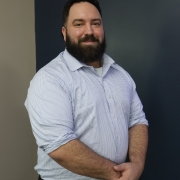
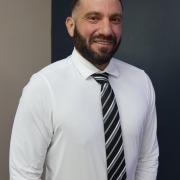
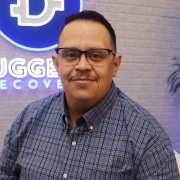
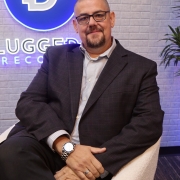
James brings nearly a decade of experience in the behavioral health field, including five years in executive leadership. With a Master’s in Clinical Mental Health Counseling and a personal journey in recovery, he combines clinical knowledge with lived experience to lead compassionate, client-centered care.
His work is grounded in a strong focus on regulatory compliance, operational efficiency, and data-driven decision-making, helping programs grow while upholding the highest standards of quality. James is dedicated to building systems that drive lasting change for both clients and the programs that support them.
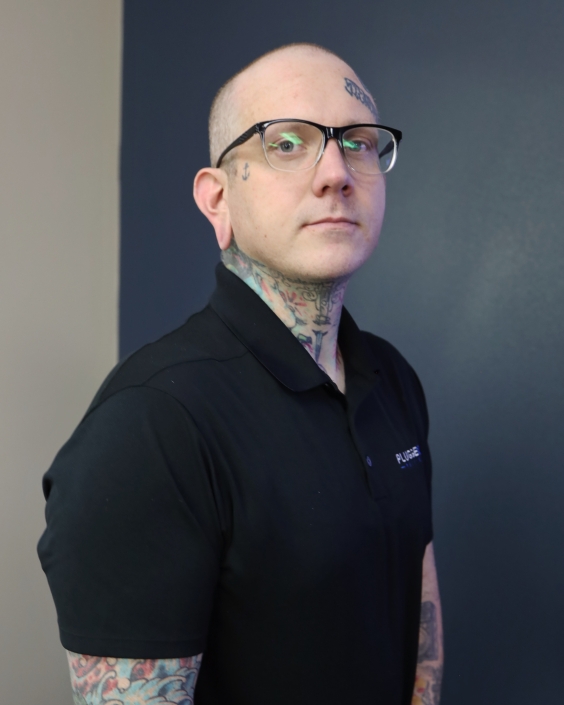
James Currier
Clinical Compliance Coordinator
Plugged In Recovery