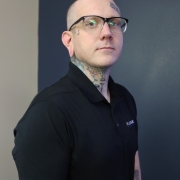
James Currier is Plugged In’s Clinical Compliance Coordinator with 10 years in behavioral health and graduate training focused on trauma and the neurophysiology of addiction. In outpatient work, he watches trauma triggers push clients toward relapse when the nervous system flips into survival mode and logic stops landing.
Plugged In Recovery supports co-occurring care across Arizona, including luxury residential treatment in Scottsdale and luxury outpatient programming in Chandler for people balancing recovery with real life
Trauma Triggers In Recovery Often Start As A Stack
Trauma triggers in recovery rarely arrive as one dramatic moment. Outpatient teams see stressors pile up, sleep slips, conflict increases, shame grows, and cravings start to feel like urgency. That stack matters even more when someone needs dual diagnosis outpatient Phoenix support, because mental health symptoms can amplify relapse risk.
Currier puts the dual diagnosis reality in plain language.
- “Dual diagnosis in outpatient is messy.”
- “It’s not two separate problems sitting politely next to each other, it’s one problem feeding the other all day long.”
This is why trauma triggers in recovery can look like irritability, numbness, panic, avoidance, or a sudden need to escape. Clients often describe it as feeling unsafe for no obvious reason. The body can move into fight, flight, or freeze before the person can explain what set it off.

When Trauma Symptoms Make Standard Relapse Prevention Insufficient
Standard relapse prevention often leans on planning, future thinking, and choosing a different action. That can help when the client stays grounded. Trauma symptoms can pull the client into dissociation, panic, emotional flooding, or an emotional flashback where the present feels like danger.
Currier draws the line clearly.
- “When trauma’s running the show, standard relapse prevention becomes too logical.”
- “That doesn’t work when someone’s dissociated, flooded, triggered, in fight or flight, or stuck in an emotional flashback.”
- “At that point, relapse is not always a choice, it’s a nervous system escape.”
- “So we add a missing piece that a lot of programs ignore, and that’s stabilization.”
This matters for trauma and addiction outpatient care because trauma activation can knock out access to coping skills, even when the client can explain coping skills on a good day. It also matters for outpatient rehab for anxiety and addiction, because anxiety can be withdrawal-driven, trauma-driven, or part of a longer mental health pattern.
A practical way to spot when trauma symptoms outgrow basic relapse prevention includes these patterns,
- dissociation or shutdown that collapses coping
- panic surges that lead to impulsive behavior
- emotional flooding followed by cravings for relief
- conflict and shame that trigger the same relapse sequence
- repeated “I went blank” moments when stress hits

Stabilization Changes The Whole Conversation
When clients understand stabilization, they stop treating trauma triggers in recovery like a personal failure. Stabilization means helping the body return to the present so the person can actually use tools. In outpatient, that can look like grounding, paced breathing, sensory orientation, body-based skills, and firm routines that reduce chaos.
- “We teach clients how to get back into their body, back into the present, and back into control before the brain starts screaming for relief.”
This is a core need in depression and addiction treatment Chandler settings, because depression can flatten motivation and follow-through. It is also a core need in bipolar and substance use outpatient settings, because mood instability plus sleep loss can accelerate risk quickly.

Trauma-Informed Groups Without Flooding Clients
A lot of clients expect trauma work to mean telling the full story. Currier pushes back hard on that approach in group settings. Groups need to stay safe for everyone in the room, especially in outpatient where people go back into real life after programming.
Currier’s group stance is unambiguous.
- “Trauma-informed doesn’t mean everyone share your trauma story.”
- “That’s how you destabilize people and turn groups into chaos.”
- “We keep groups trauma-informed by focusing on the nervous system, grounding, boundaries, safety, triggers and responses, and how the brain stores survival reactions.”
- “We’re not here to reopen wounds in front of a group of people.”
- “We’re here to teach clients how to stop trauma symptoms from driving relapse or destructive behavior.”
That approach aligns with trauma-informed care principle focused on safety, choice, collaboration, and avoiding re-traumatization.
Groups can stay trauma-informed without becoming disclosure-driven. In practice, that often means skills, structure, and boundaries.
- grounding skills that help clients return to the present
- boundary practice for conflict, exposure, and relationships
- trigger mapping that focuses on patterns, not graphic details
- distress tolerance skills for cravings and emotional spirals
- language that normalizes symptoms without glamorizing trauma
Plugged In describes trauma-informed care as an approach built across the full client experience, including both residential and outpatient programming.
Coordination Between Therapy And Medication Management
Trauma triggers in recovery often come with anxiety spikes, sleep disruption, mood swings, and cravings that blur together. When a client has co-occurring needs, the outpatient plan works best when the team coordinates therapy and medication management around stability metrics, behavior, and functioning.
Currier explains the stance without taking sides.
- “We don’t treat medication as either the magic fix or the enemy.”
- “Medication can absolutely help stabilize the floor, sleep, anxiety, mood swings, panic, and depression severity.”
- “But meds don’t rewire behavior.”
- “If meds reduce symptoms but clients don’t build structure, boundaries, coping skills, and follow-through, the relapse pattern stays alive.”
- “So the coordination is constant, symptoms plus behavior plus compliance plus functioning, not just how you feel.”
This is the day-to-day reality in dual diagnosis outpatient Phoenix work. Treatment cannot split the person into separate boxes. It has to connect symptoms, triggers, and behavior patterns in one plan.
A clear outpatient coordination loop often looks like this,
- therapy identifies triggers, trauma responses, and relapse sequences
- groups teach and rehearse skills under structure
- medication management targets stability metrics like sleep and mood volatility
- the team tracks follow-through, not just insight
- the plan tightens when stability drops, not after a crisis
Why Sleep Stability Matters So Much
Trauma triggers in recovery hit harder when sleep collapses. Sleep loss increases irritability, lowers impulse control, and reduces the brain’s capacity to regulate emotion. When clients say they feel “off,” sleep is often part of the reason.
Currier treats sleep as a central risk signal.
- “Sleep instability is relapse fuel.”
- “If someone’s sleep falls apart, everything falls apart.”
- “So we treat sleep like a stability metric, not an afterthought.”
- “If we see mood volatility and sleep disruption, we tighten the structure fast because outpatient clients don’t relapse out of nowhere.”
That matters for outpatient rehab for anxiety and addiction, because anxiety rises when sleep falls. It matters for depression and addiction treatment Chandler needs, because depression can worsen when sleep destabilizes. It matters for bipolar and substance use outpatient needs, because disrupted sleep can destabilize mood states.
How Luxury Rehab Fits Into The Continuum
Some clients need more containment before outpatient can hold them safely. That is where a luxury rehab setting can matter, not as a marketing term, but as an environment designed for stability, privacy, and consistent clinical support. Plugged In’s continuum includes luxury residential care and luxury outpatient care, which can support stepping down into real-world exposure with structure.
Plugged In’s luxury outpatient setting in Chandler provides context for how outpatient can stay flexible while still holding accountability.
Why This Approach Helps Co-Occurring Clients Stay Safer
Trauma triggers in recovery often show up on ordinary days, not just on milestone dates. A tone of voice, a conflict, a crowded room, a memory, or a poor night of sleep can flip the nervous system into threat mode. For co-occurring clients, that shift can turn into relapse permission fast.
Currier’s outpatient framework keeps the priorities clear.
- “Trauma-informed doesn’t mean everyone share your trauma story.”
- “We’re here to teach clients how to stop trauma symptoms from driving relapse.”
- “The coordination is constant, symptoms plus behavior plus functioning.”
- “Sleep instability is relapse fuel.”
Plugged In Recovery Can Help You Feel Like You Again
Whether you’re just starting to question your relationship with substances or you’ve been in the cycle for years, Plugged In Recovery is here to help you break free.
With private, resort-style rehab in Scottsdale and outpatient care in Chandler, our team meets you where you are, with respect, expertise, and personalized care that works
Meet The Author
Brianna Perone serves as the Director of Outpatient Services at Plugged In Recovery, bringing over eight years of experience in the behavioral health field and nine years in personal recovery. Her career began as a Behavioral Health Technician and evolved through roles in case management and operations, giving her a well-rounded perspective on client care and program development.
With a deep passion for helping others, Brianna blends her professional expertise and personal recovery journey to lead with compassion, integrity, and purpose. She is dedicated to creating a supportive and empowering environment for individuals seeking recovery from addiction and mental health challenges.

Brianna Perone
Director of Outpatient Services
Plugged In Recovery