At Plugged In Recovery, we know most people Googling what to expect in IOP are not looking for hype.
They want clarity. Starting IOP can feel intimidating, especially if you are balancing work, family, or school and considering luxury outpatient treatment in Chandler, AZ. This guide explains what your first two weeks typically look like, how the team sets expectations without overwhelming you, and how the outpatient intake process connects you to the right mix of outpatient therapy and groups. You will also learn the most important habit to build in the first 30 days.
First, what IOP is and why the first two weeks matter
IOP is intensive outpatient programming. It provides more structure than weekly therapy and more flexibility than residential care. Many people searching IOP Chandler what to expect are looking for a plan that fits real life, including work schedules. Plugged In offers multiple schedules, including options that can support people looking for an evening IOP Chandler format.
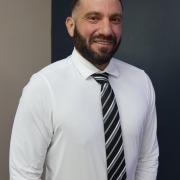
James Currier, Clinical Compliance Coordinator, describes outpatient’s purpose clearly: “Outpatient is the integration of treatment into outside life… managing external stressors that are still going on, but being in treatment for the support.”
- Week one is typically about rapport, orientation, and stabilizing your schedule.
- Week two is typically about applying skills and tightening follow-through.
- Predictability matters because early recovery often feels chaotic.

What should a client expect in their first week of outpatient groups?
In the first week, most clients are asking one question: “What happens when I walk in?”
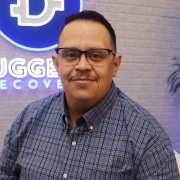
Brianna Perone, Director of Outpatient Services, explains: “First week is really staff gaining rapport with the client. Learning about what brought them into treatment, identifying their treatment plans and their treatment goals.”
She adds that the first week includes meeting providers, understanding program requirements, and adjusting to a new routine. She also normalizes the emotional side of it: “This is also an uncomfortable process; however, giving a little trust in the process will get them to accomplish their end goals.”
What you can typically expect in week one:
- Meeting staff and beginning to build rapport and trust
- Learning the schedule, group flow, and participation expectations
- Clarifying goals and what you want to change in the next 30 to 90 days
- Getting oriented to attendance expectations and accountability standards
- Starting to build a weekly rhythm you can follow outside the program
For many people in outpatient treatment Chandler AZ, the first week is less about “going deep” and more about getting grounded in a predictable routine.

How do you set expectations without overwhelming someone who’s nervous?
Being nervous is normal. The goal is not to eliminate nerves. The goal is to prevent nerves from turning into avoidance. Good programs reduce friction by focusing on clarity, repetition, and small steps.
Brianna’s description of the first week is essentially an anti-overwhelm strategy: rapport first, scheduling clarity, then goals. The team helps clients “adjust to their new routine” instead of expecting instant confidence.
James explains why routine matters clinically: “The brain craves and operates off of predictability.” When expectations are predictable, the nervous system settles. That makes it easier to stay engaged when things feel uncomfortable.
How expectations are typically set without overload:
- The schedule is explained early and repeated often
- Requirements are framed as stability tools, not punishments
- Staff focus on “today and this week” instead of the entire program at once
- Clients are reminded discomfort is part of change, not a sign of failure
- Progress is measured by attendance and follow-through first, not perfection
This matters for working clients considering evening IOP Chandler, because predictability is what makes treatment fit into real life.

What role do individual therapy and case management play alongside groups?
Many clients assume IOP is only groups. In reality, IOP works best when groups, individual therapy, and case management support each other. This is the core of outpatient therapy and groups done well.
James describes the difference between learning and application: “Groups are when things are taught. Individual therapy is when they take what is taught and learn how to actually use it. Individualized treatment is just that; it’s individualized.”
That is why individual therapy matters. Two people can hear the same group topic and need different coaching to apply it at home, at work, and in relationships.
Case management is the support that protects your attention so you can actually engage in treatment.
James explains the real-life problem it solves: if someone is hyper-focused on external stressors, “then they’re not 100% focused on the reason that they’re here.” He adds, “The case managers play a vital role in helping relieve that stressor so that they can attend group, learn, and then learn how to implement it and use it with their therapist.”
How this typically works in the first two weeks:
- Groups teach skills, build peer support, and reinforce accountability
- Individual therapy helps you apply skills to your specific triggers and patterns
- Case management helps reduce urgent stressors that hijack focus
- The outpatient intake process helps place you in the right schedule and intensity
If you are researching the outpatient intake process steps, the practical goal is simple: reduce confusion and get you connected to the right mix of sessions, supports, and schedule as quickly as possible.
What is the most important habit built in the first 30 days?
People often assume the first month is about feeling better. Clinicians often focus on something more basic because it predicts success: follow-through.
James answers this directly: “One of the most critical things that a client can learn is the beginning stages of integrity, right? Saying you’re going to do something and actually doing it.” He adds: “Integrity is key. It’s the first thing lost in addiction and it’s the most challenging thing to earn in recovery.” And he explains why it belongs early in IOP: “So accountability and integrity are things that need to be introduced early on.”
What this habit looks like in outpatient:
- Showing up consistently, even when motivation is low
- Communicating honestly instead of disappearing
- Following the schedule you agreed to follow
- Practicing skills outside group, not only discussing them
- Building routines that reduce relapse risk in real life
For people searching IOP Chandler what to expect, this is often a relief. You do not have to be perfect in the first 30 days. You do have to practice integrity consistently enough for new habits to form.
What week two usually adds
Week one is orientation and stabilization. Week two usually shifts toward engagement and application.
- You participate more instead of only observing
- You start testing skills in real situations and bringing the results back
- Accountability becomes clearer because the routine is established
- The team begins identifying patterns, not only isolated events
For many clients, week two is when the program starts to feel more real. That can be uncomfortable, but it is also where progress begins to show up.
Plugged In Recovery Can Help You Feel Like You Again
Whether you’re just starting to question your relationship with substances or you’ve been in the cycle for years, Plugged In Recovery is here to help you break free.
With private, resort-style rehab in Scottsdale and outpatient care in Chandler, our team meets you where you are, with respect, expertise, and personalized care that works
Meet The Author
Brianna Perone serves as the Director of Outpatient Services at Plugged In Recovery, bringing over eight years of experience in the behavioral health field and nine years in personal recovery. Her career began as a Behavioral Health Technician and evolved through roles in case management and operations, giving her a well-rounded perspective on client care and program development.
With a deep passion for helping others, Brianna blends her professional expertise and personal recovery journey to lead with compassion, integrity, and purpose. She is dedicated to creating a supportive and empowering environment for individuals seeking recovery from addiction and mental health challenges.

Brianna Perone
Director of Outpatient Services
Plugged In Recovery